Get all your news in one place.
100's of premium titles.
One app.
Start reading
Medical Daily
Medical Daily
Dorothy Brooks

Trump Administration Asks Supreme Court to Let Federal Prisons Taper Hormone Therapy for Transgender Inmates While Lawsuit Continues

The Trump administration on Sept. 28 asked the Supreme Court to let the federal Bureau of Prisons enforce a policy that ends hormone therapy, surgeries, and certain social accommodations for transgender inmates diagnosed with gender dysphoria. The emergency application seeks to pause a lower-court order that has kept that care in place while a class-action lawsuit continues, CBS News reported.

Chief Justice John Roberts, who handles emergency applications from the U.S. Court of Appeals for the D.C. Circuit, ordered the inmates' attorneys to respond by 4 p.m. EDT on Oct. 8, according to the Supreme Court docket for Trump v. Kingdom. Roberts can act on the request alone or refer it to the full court.
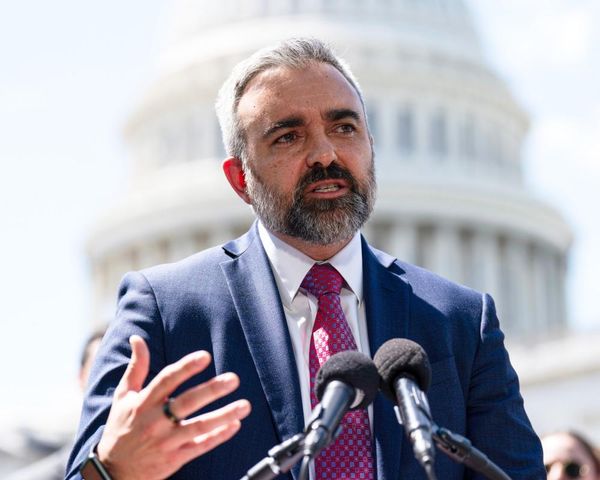
The outcome has direct medical consequences. The Bureau of Prisons said it was providing hormone therapy to more than 600 inmates in 2025, and the new policy would taper those prescriptions rather than continue them.


The Policy at the Center of the Appeal

The dispute began with a January 2025 executive order directing the Bureau of Prisons to stop spending federal funds on medical care meant to conform an inmate's appearance to that of the opposite sex. In February 2026, the bureau issued a formal policy that it said reflected its own independent judgment.

Under the policy, the bureau would continue mental health services for inmates with gender dysphoria but would not provide surgeries, hormone therapy, or accommodations such as chest binders, wigs, or breast padding. New hormone treatment is barred, and inmates already receiving hormones would be placed on a tapering plan, according to The Advocate. The policy allows that some people who have had surgery or who experience severe withdrawal effects might initially continue receiving hormones, the outlet reported.

The case, known as Kingdom v. Trump in the lower courts, is a class action on behalf of federal inmates who have or will be diagnosed with gender dysphoria. It is separate from litigation over the administration's effort to move transgender women into men's prisons.


A Year of Court Rulings

U.S. District Judge Royce Lamberth in Washington first blocked the restrictions in June 2025 and ordered the bureau to keep providing hormone therapy and accommodations. After the February 2026 policy was issued, he blocked it in June 2026, ruling in part that the bureau had "reverse engineered" a policy to carry out the executive order. He issued another order in August renewing that protection.

The Justice Department appealed. On Sept. 18, a divided panel of the D.C. Circuit voted 2 to 1 to leave Lamberth's order in place. The administration then turned to the Supreme Court.

The Supreme Court's conservative majority has previously upheld state laws restricting gender-affirming treatments for minors and has allowed the administration to enforce other policies affecting transgender people, including military service rules, while legal challenges continue. Those rulings do not decide this case, which involves adults in federal custody and the Eighth Amendment's ban on cruel and unusual punishment.


Arguments From Both Sides

In the application, Solicitor General D. John Sauer argued that questions of institutional security fall within the expertise of corrections officials and that courts should ordinarily defer to their judgment. He wrote that the lower court's ruling "prevents the application of the Executive's chosen policy on a universal and classwide basis." Citing earlier rulings, the administration's emergency application to the Supreme Court also states: "This Court has emphasized the importance of allowing politically accountable officials to make decisions about the permissible forms of treatment for gender dysphoria."

The inmates are represented by the ACLU, the ACLU of D.C., and the Transgender Law Center. ACLU attorneys have called the policy "a direct threat to the well-being of transgender people in federal custody," STAT reported, and they argue that withholding necessary care violates the constitutional ban on cruel and unusual punishment.

In his 2026 ruling, Lamberth wrote that the government does not contest that gender dysphoria exists and can have serious effects. The central legal question is whether the policy change reflected a legitimate medical and security judgment or, as the judge found, a pretext for carrying out the executive order.


Medical Stakes for Patients in Custody

Stopping long-term hormone therapy can have physical and mental health effects. The Marshall Project, reporting on the February policy, noted that stopping hormones can cause hot flashes, mood swings, and insomnia and may weaken bone density, raising the risk of fractures. Psychiatrist Dan Karasic told the outlet, "For those people for whom hormones and surgery are indicated, psychotherapy is not a substitute."

People in custody cannot seek outside care on their own, so the bureau's medical policy determines their treatment. Courts have long held that prisons must provide adequate care for inmates' serious medical needs, and how the justices handle this request may shape how much deference prison officials receive when they change medical policies.

The inmates' response is due Oct. 8, after which Roberts or the full court may rule at any time. Until then, Lamberth's order remains in effect, meaning covered inmates keep receiving hormone therapy for now. A decision on the emergency request will not resolve the underlying lawsuit, but it will determine what care hundreds of inmates receive while the case continues.


Key Questions Answered

What is the Trump administration asking the Supreme Court to do?

It wants the court to pause a lower-court order so the Bureau of Prisons can enforce a policy ending hormone therapy, surgeries, and some accommodations for transgender inmates while the lawsuit continues.

Is hormone therapy still being provided now?

Yes. Judge Royce Lamberth's order remains in effect until the Supreme Court acts.

How many inmates could be affected?

The Bureau of Prisons said it was providing hormone therapy to more than 600 inmates in 2025.

When could the Supreme Court decide?

The inmates' response is due Oct. 8. A ruling could come any time after that.

What does the government argue?

It says prison officials are best placed to judge institutional security and that the lower court improperly blocked the administration's chosen policy.

What do the inmates argue?

Their lawyers say withholding necessary medical care violates the Eighth Amendment's ban on cruel and unusual punishment.

Published by Medicaldaily.com

Sign up to read this article
Read news from 100's of titles, curated specifically for you.
Already a member? Sign in here
Related Stories
Top stories on inkl right now
One subscription that gives you access to news from hundreds of sites
Already a member? Sign in here
Our Picks
Fourteen days free
Download the app
One app. One membership.
100+ trusted global sources.