Twenty years ago, when I first hired him in Baghdad, my Iraqi interpreter and driver Salam was thrilled that the Americans had toppled Saddam Hussein. I worked with Salam over the next several years, on my many reporting trips to Iraq, and I can't stop thinking about his personal tragedy as we reach the 20th anniversary of the invasion.
A Shiite Muslim whose uncle had been murdered by Saddam's thugs, Salam was delighted to see the domination of the dictator's Sunni minority come to an end. Yet he was friends with Sunnis in his neighborhood and took me to meet them in their mosque and in their homes.
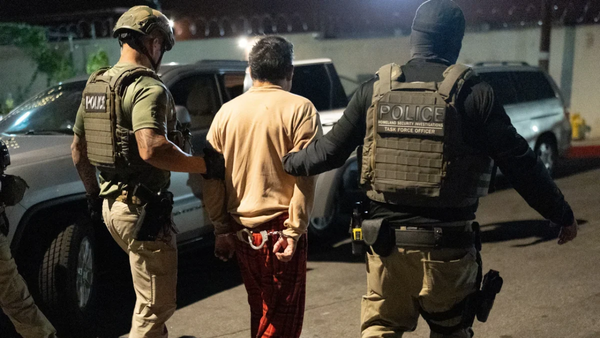
Salam was certain the Americans were going to transform Iraq for the better. He eagerly helped the U.S. soldiers in the FOB (forward operating base) in his mixed Sunni-Shia neighborhood, tipping them off about a local Shiite militia that had started murdering Sunni residents. But when the FOB pulled out, members of the Shiite family he had fingered got their relatives in the now Shiite-run army to arrest him as a "terrorist."