From Golden Gate Land Holdings LLC v. Direct Action Everywhere, decided today (correctly, I think) by the California Court of Appeal (Presiding Justice Jim Humes, joined by Justice Sandra Margulies and S.F. Superior Court Judge Mary Wiss):
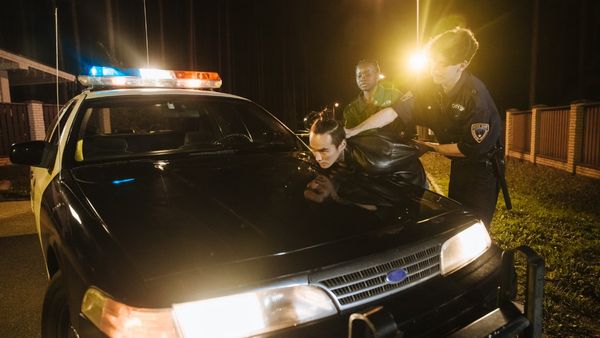
Golden Gate, which operates a horse racing track in Berkeley, filed this suit against Direct Action, an animal rights organization, and four individual defendants who are not parties to this appeal. The complaint's general allegations asserted that the four individuals, who were "affiliated with [Direct Action]," "climbed over [a] fence surrounding the horse racing track at [Golden Gate Fields (GGF)], trespassing on the GGF property," "lit incendiary devices that sent purple smoke into the air," "[lay] down directly on the racing track," and "connected their arms using PVC piping to make it difficult, if not impossible, for them to be physically removed." The "trespassers remained on the track for several hours," preventing scheduled horse races from taking place. Eventually, "the trespassers were removed by the police" and "criminally charged."
The complaint included two causes of action: one for trespass, and the other for intentional interference with prospective economic relations, in that the trespass "proximately caused [Golden Gate] to incur economic harm." The complaint also sought to "enjoin[] Defendants, their agents, officers, directors, employees, and those acting in aid of or in concert with them from trespassing on GGF."
Allegations tying Direct Action to the trespass asserted that the defendants were affiliated with each other and liable under various theories of relationship liability. Specifically, the complaint alleged that "each of the defendants … was … the agent, co-conspirator, aider and abettor, employee, representative, co-venturer, and/or alter ego of each and every other defendant, and in doing the thing hereinafter mentioned was acting within the course and scope of his, her, or its authority as such agent, co-conspirator, aider and abettor, employee, co-venturer, partner, and representative, and with the permission and consent of such other defendants." The complaint did not specify the circumstances upon which Direct Action's alleged vicarious liability was based.