Get all your news in one place.
100's of premium titles.
One app.
Start reading
The Economic Times
The Economic Times

Trapped: From Lucknow to Delhi and Jaipur, the deadly pattern behind India's summer blazes

In less than two months, India has witnessed a string of devastating fires that have left families shattered, exposed glaring safety failures and reignited questions over enforcement of building and fire regulations.

From a coaching centre in Lucknow to a hotel in Delhi and a firecracker factory in Tamil Nadu, the tragedies have unfolded with a haunting similarity: people trapped inside buildings they believed were safe.

The fires, claiming nearly 50 lives and injuring dozens more, have laid bare a troubling reality: rapid urbanisation and commercial expansion continue to outpace safety compliance.

The Lucknow fire that trapped dreams

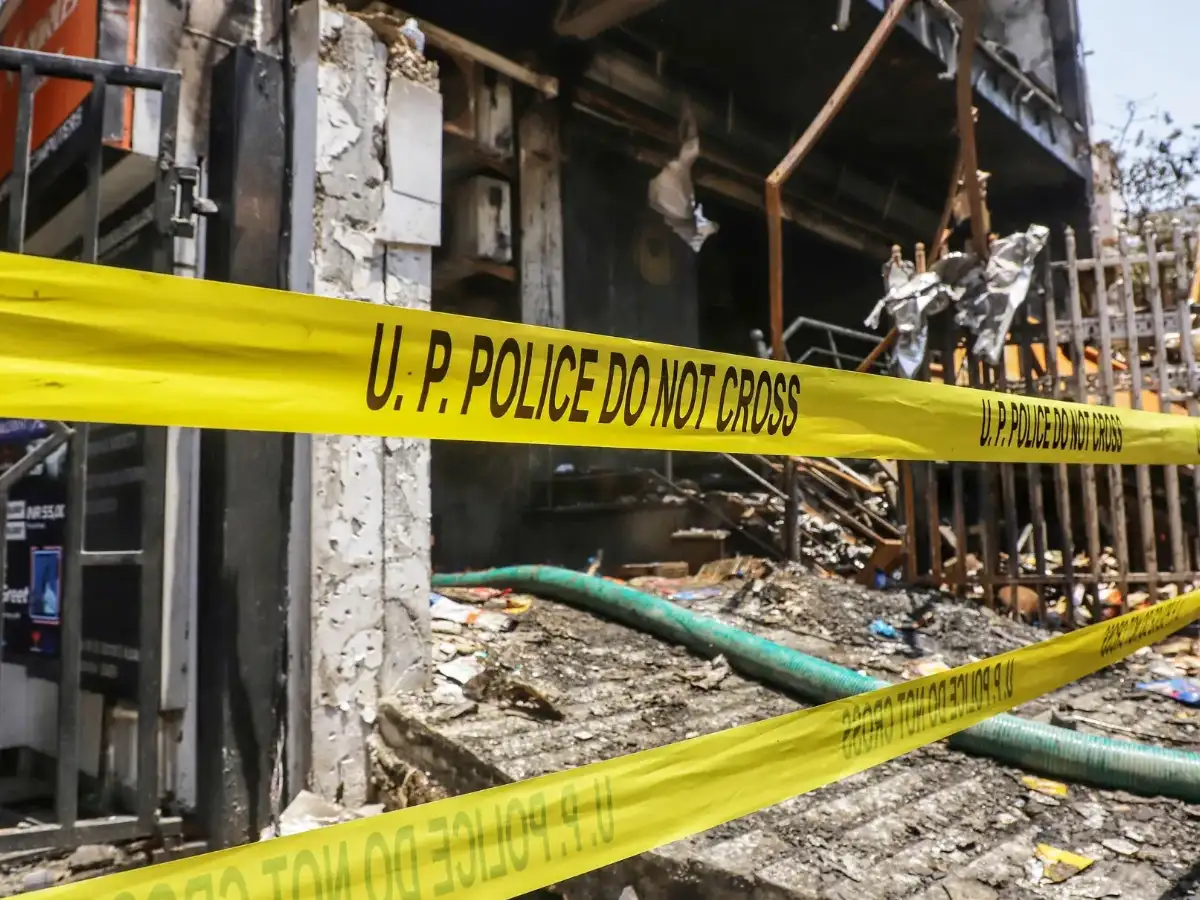
The most recent and among the deadliest incidents occurred on June 22 in Lucknow's Aliganj area.

What appeared to be an ordinary residential building had quietly transformed into a bustling commercial hub housing an animation coaching centre.

When flames reportedly erupted from an air-conditioning duct, thick smoke quickly engulfed the three-storey structure. Students scrambled to find a way out, but many found themselves trapped in narrow passages with inadequate emergency exits.

By the time rescue teams managed to break in, 15 people had died, most of them due to smoke inhalation. Nine others sustained injuries.

Investigators later found that the building lacked proper fire clearances and had been illegally converted for commercial use.

Delhi's hotel blaze kills 21, including foreign guests

Barely three weeks earlier, South Delhi witnessed one of the capital's worst hotel fires in recent years.

On June 3, flames swept through Flourish Stays Bed and Breakfast in Malviya Nagar. The property, tucked into a congested neighbourhood, became a death trap as smoke spread rapidly through stairwells and corridors.

Twenty-one people lost their lives, including 13 foreign nationals. Twenty-five others were injured.

Initial investigations pointed to multiple safety lapses, with authorities probing whether the establishment had violated fire safety norms.

The tragedy sent shockwaves through the national capital, raising concerns about the mushrooming of guesthouses and hotels operating in residential areas with inadequate safeguards.

Factories turn fatal

Industrial units too have witnessed deadly accidents.

In Jaipur's Khoh Nagoriyan area, a firecracker manufacturing unit was devastated by a fire and a series of explosions on June 9.

The blaze spread rapidly through the premises, killing three people and injuring five others.

Meanwhile, in Tamil Nadu's Thoothukudi district, an explosion at the Balaji Fire Works factory caused part of the structure to collapse.

One worker died and 26 others suffered injuries in the blast, once again putting the spotlight on safety standards in India's fireworks industry.

Delhi fire exposed deadly design flaws

Even homes have not been spared.

On May 3, a fire tore through a four-storey residential building in Delhi's Vivek Vihar. What should have been an escape route turned into a deadly obstacle course.

Heavy iron grills on windows prevented occupants from climbing out, while a locked terrace door blocked the final exit.

Nine people, including children, died inside the building.

The incident prompted outrage and sparked a debate on unsafe architectural modifications that often prioritise security over emergency evacuation.

Sign up to read this article
Read news from 100's of titles, curated specifically for you.
Already a member? Sign in here
Related Stories
Top stories on inkl right now
One subscription that gives you access to news from hundreds of sites
Already a member? Sign in here
Our Picks
Fourteen days free
Download the app
One app. One membership.
100+ trusted global sources.