A country spends millions, sometimes billions, to deliver a major international sports event to the world. That money buys a chance to project strength at home and abroad and, if the event goes well, maybe even glosses over that country's oft-dissected shortcomings.
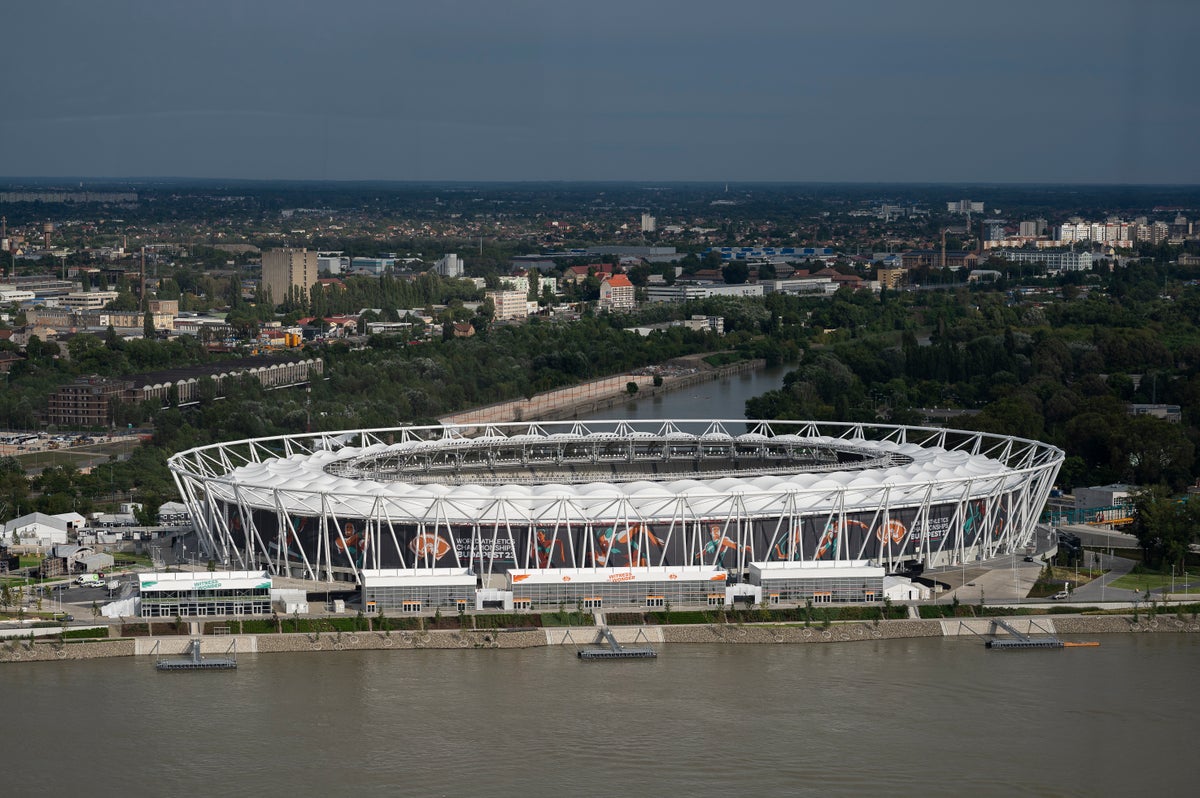
It's a pattern that has played out in China, Russia, Qatar and other countries in the recent past. This month in Budapest, the spotlight will shine on Hungary, a country led by a prime minister with authoritarian leanings and a shaky human-rights record. Budapest's latest step onto the international stage starts Saturday, the opening of the nine-day track and field world championships.