Skywatchers across North America and Europe should mark Wednesday, Aug. 12 on their calendars. From a daytime solar eclipse to the peak of the Perseid meteor shower beneath a moonless sky, the date offers an exceptionally rare combination of celestial events within a 24-hour period. Add brilliant Venus and the glowing band of the Milky Way after sunset, and the result is a full day of astronomy that could become one of the standout skywatching opportunities of the year.
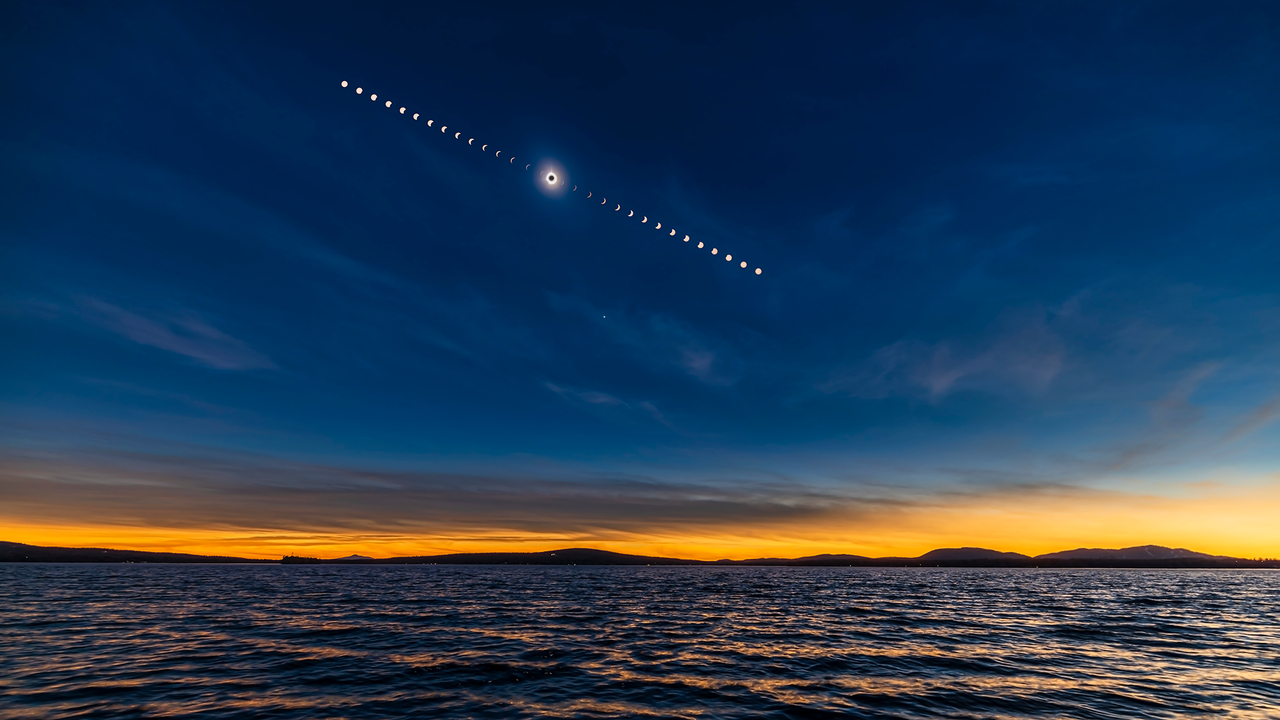
The first spectacle arrives during daylight as the moon partially covers the sun across Alaska, eastern Canada and parts of the northeastern U.S. A dramatic total solar eclipse will be visible along a narrow path stretching across eastern Greenland, western Iceland and northern Spain — and that's where eclipse chasers will be. However, about 779 million people in North America, Europe and North Africa will see at least a 10% partial eclipse, according to Time and Date.