
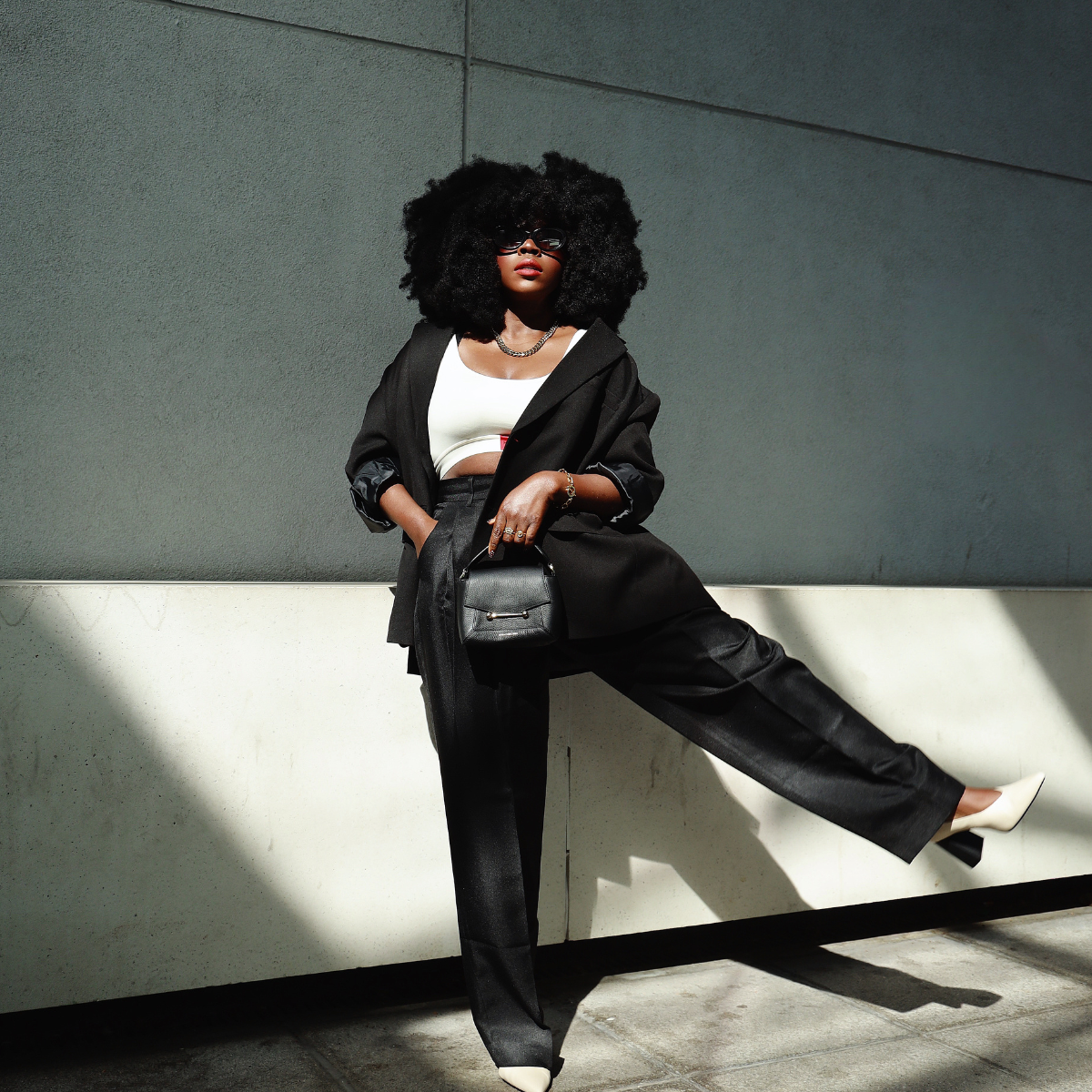
With Fashion Month just around the corner, the industry’s gaze sharpens on questions of representation, inclusivity, and innovation. The runway is more than simply a stage for clothes—it is where the hierarchy of visibility is set, where trends are established, and where the boundaries of beauty are drawn. But Topshop’s recent relaunch prompts a harder reflection: if one of the most iconic British brands has already missed the moment on size-inclusivity and sustainability, can we expect more from the industry at large?
In the 2000s, Topshop was the epicentre of high-street cool; the place where every teenage girl was supposed to go to define her look, her identity, and to a wider extent, her belonging. But as a size UK 18-20 teenager, walking through those doors filled me with a sense of shame and resentment. I—as well as scores of women across the country who also existed in bigger bodies—realised early that their clothing rails weren’t built for bodies like ours. The message was clear: fashion was for thin girls only.