Get all your news in one place.
100's of premium titles.
One app.
Start reading
The Conversation
The Conversation
Environment
Lewis Alcott, Lecturer in Geochemistry, University of Bristol

To address the growing issue of microplastics in the Great Lakes, we need to curb our consumption

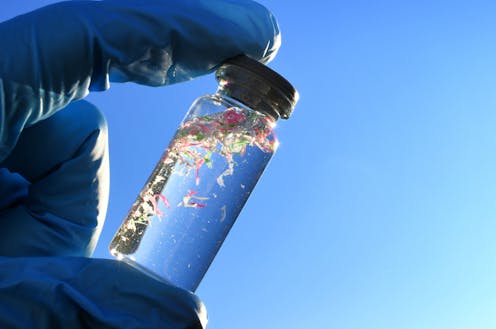
Microplastics in the environment is a growing global problem. (Shutterstock)

You would be hard-pressed to find a corner of the world free from microplastics, plastic particles measuring less than five millimetres. They contaminate our drinking water, accumulate in the food we eat and have been found in the human body, including in blood, organs, placenta, semen and breast milk.

In April, delegates from across the world came together in Ottawa for the fourth session of the Intergovernmental Negotiating Committee to develop a legally binding international treaty on plastic pollution. The meeting offered a unique opportunity to identify strategies for addressing the human and environmental health impacts of plastics, including microplastics.

Sign up to read this article
Read news from 100's of titles, curated specifically for you.
Already a member? Sign in here
Related Stories
Top stories on inkl right now
One subscription that gives you access to news from hundreds of sites
Already a member? Sign in here
Our Picks
Fourteen days free
Download the app
One app. One membership.
100+ trusted global sources.