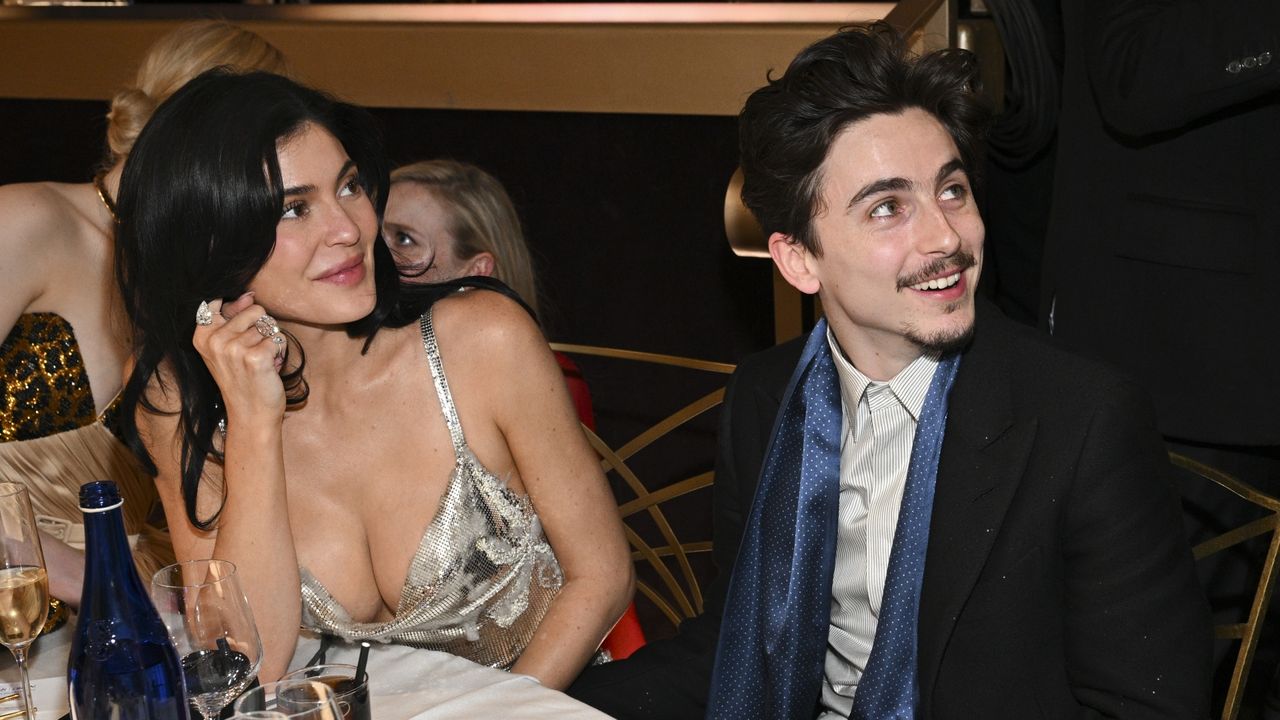
Actor Timothée Chalamet sparked backlash this weekend after suggesting that art forms like ballet and opera have lost cultural relevance.The comments quickly drew criticism from dancers, opera singers and fans of the classical arts, many of whom pointed out that these centuries-old traditions still attract passionate audiences around the world.But the controversy also highlights an unexpected irony. At a moment when AI is rapidly transforming entertainment, the industry Chalamet works in — Hollywood — may actually face far more disruption from AI than ballet or opera ever will.
AI is already changing how movies are made. Over the past two years, generative AI tools have begun reshaping the way films and television shows are produced.New models can generate video clips, synthetic voices and realistic digital actors. Platforms from companies like OpenAI and Runway are pushing the boundaries of what computers can create from simple prompts.
Interestingly enough, Matthew McConaughey, the host of the Town Hall where Chamalet made these remarks, just trademarked himself to fight AI misuse, something that ballet dancers and opera singers probably haven't had to do yet.
Hollywood studios are experimenting with AI in several areas of production:
- generating short video scenes
- cloning or modifying actor voices
- assisting with scriptwriting
- automating visual effects
- creating digital background characters
While these tools are still evolving, they are already raising questions across Hollywood about how filmmaking could change in the coming decade. Writers, actors and visual effects artists have all expressed concern about how generative AI could reshape creative jobs.
Live performing arts rely on something AI still can’t replicate
Opera and ballet operate very differently from digital entertainment. Both art forms rely on live human performance, where performers' skill and the audience's experience unfold in real time.A ballet dancer’s movement, balance and timing cannot easily be recreated by software. Opera singers perform with extraordinary vocal power and technique that audiences experience in person.Even as AI improves at generating music, images and video, it still struggles to recreate the emotional impact of watching real performers on stage. That makes live performing arts far more resistant to automation than many forms of digital media.
AI might actually help classical arts survive
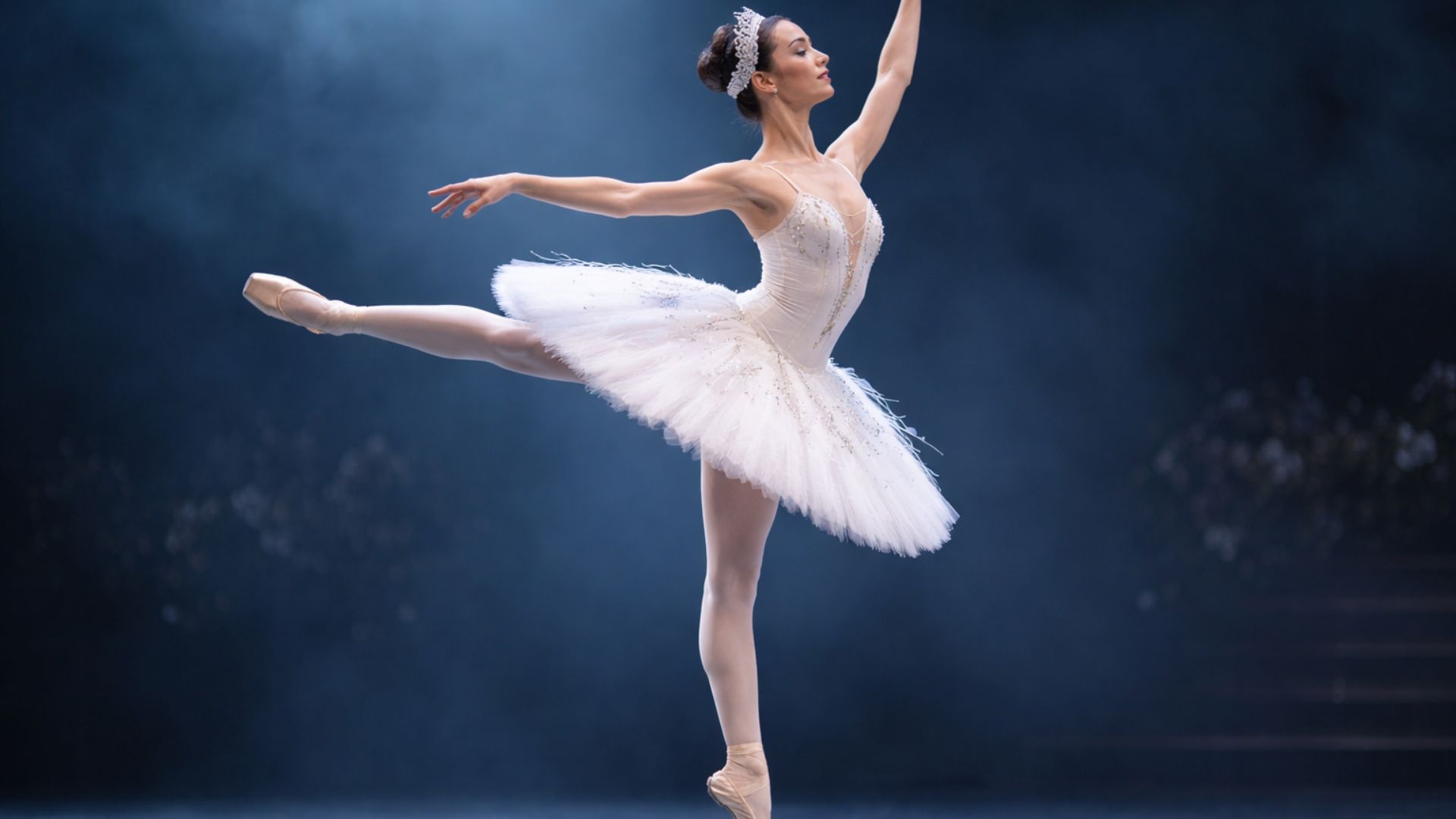
Ironically, AI could help traditional arts reach new audiences. For example, the Royal Opera House in London has experimented with AI-powered captioning and translation systems that allow audiences to follow operas in multiple languages on their phones or screens in the theater. These tools make performances easier for newcomers to understand, especially for audiences unfamiliar with the original language.Other companies are using AI to restore and enhance archival recordings of historic opera performances, allowing younger audiences to experience legendary singers whose work was recorded decades ago.In many cases, the technology isn’t replacing performers — it’s helping the classical arts reach people who might never have attended an opera or ballet.Some organizations are already experimenting with AI tools to:
- restore historic opera recordings
- generate subtitles and translations for global audiences
- create digital stage visuals
- improve marketing and ticket targeting
These tools enhance the experience without replacing performers themselves. In many cases, AI acts more like a support system than a substitute.The backlash surrounding Chalamet’s comments reveals a broader cultural question emerging in the age of generative AI. As computers become capable of producing text, images, music and video, audiences may begin valuing art forms that remain unmistakably human.Live theater, dance and classical music require years of physical training and happen in front of a real audience in real time. Ironically, the art forms some critics see as outdated may become more culturally valuable as AI transforms digital entertainment.
Final thoughts
Timothée Chalamet’s comments about opera and ballet sparked a heated debate about the relevance of classical arts. But the bigger disruption may be happening somewhere else entirely.As AI tools continue to evolve, Hollywood could face far more technological change than the live performing arts ever will. And in a world increasingly filled with AI-generated entertainment, the appeal of watching real performers on a stage might only grow stronger.