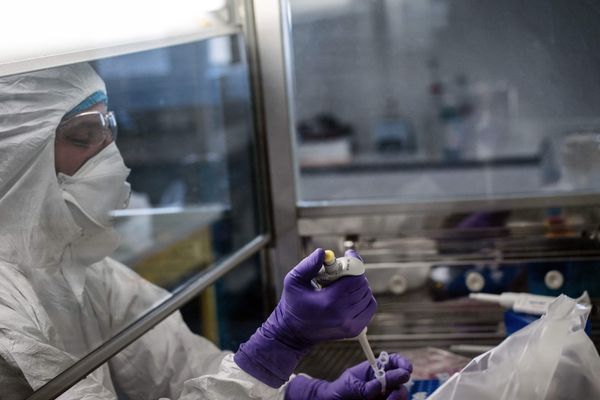
Historically, medical research has been dominated by the “reference man” model, rooted in the assumption that male physiology adequately represents the human experience. For years, this led to the exclusion of women from clinical trials due to concerns about hormonal fluctuations, potential pregnancy, and the perceived complexity of the female reproductive system. This exclusion resulted in a significant knowledge gap regarding female-specific responses to treatments and disease progression. This World Health Day, Dr. Ramakanta Panda of the Asian Heart Institute highlights the urgent need to bridge this gap.
The underrepresentation of women in medical research, a historical oversight that continues to cast a long shadow, is a complex issue with deep-rooted societal and scientific origins. As a cardiac surgeon, I’ve witnessed firsthand the consequences of this disparity, particularly in the realm of heart disease.