
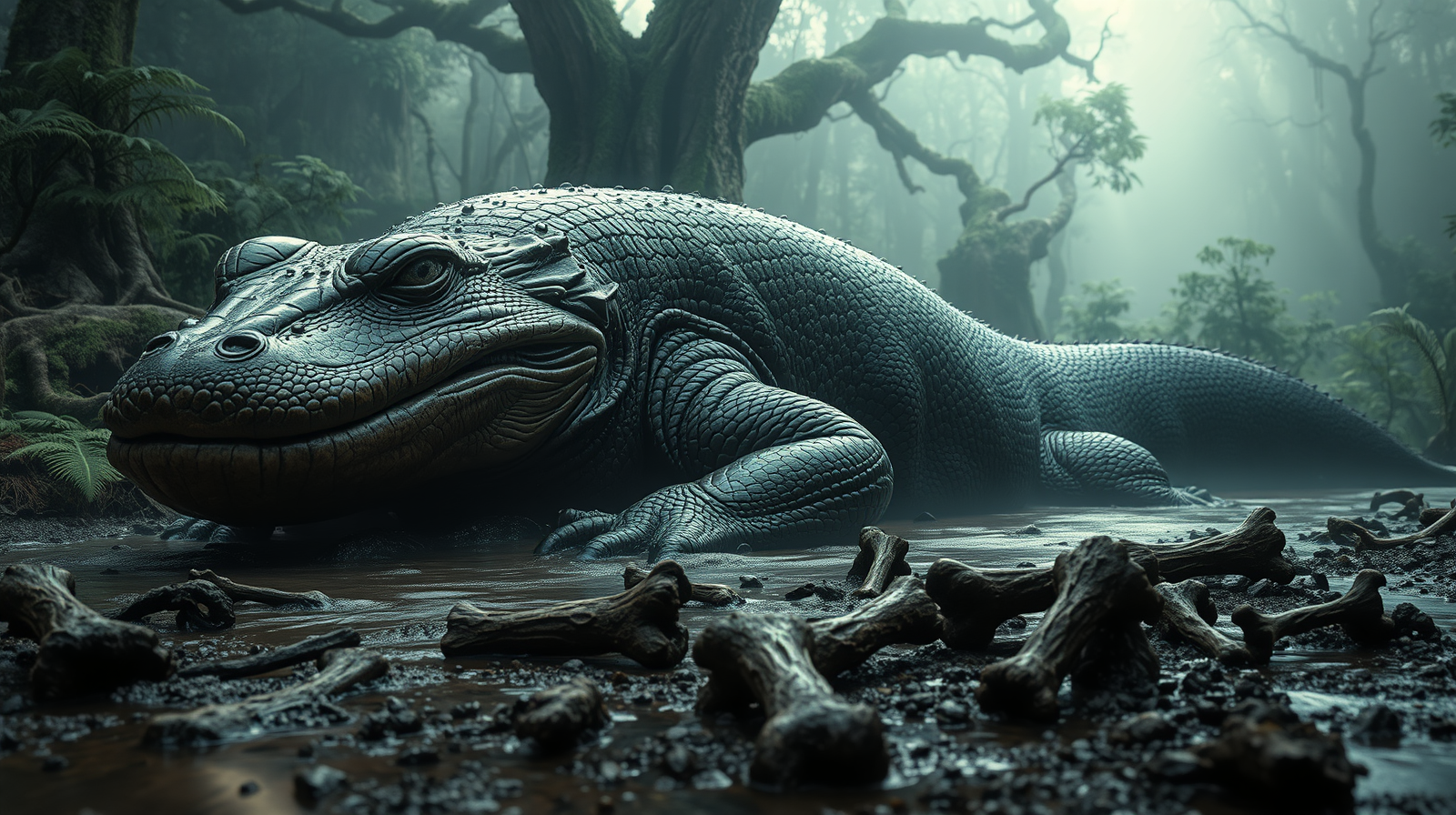
Three fossilised bones dug up in Japan nearly thirty years ago have finally revealed their true identity, and it turns out to be something scientists had never formally recognised before. The remains belong to a giant salamander that lived around 3.5 million years ago in the lakes and wetlands of what is now northern Kyushu, and researchers have now given it a brand new name, Limnospondylus ajimuensis. The animal may have grown to about 1.1 metres in length, making it roughly comparable in size to some of the largest amphibians alive today, and estimates suggest it could have reached that length at around eighteen years old. This discovery highlights how paleontology often advances not through new digs but through revisiting old collections, since improved comparative methods can reveal distinctions earlier researchers simply lacked the reference material to detect.
Get breaking news anytime, anywhere. Download the TOI app now!














