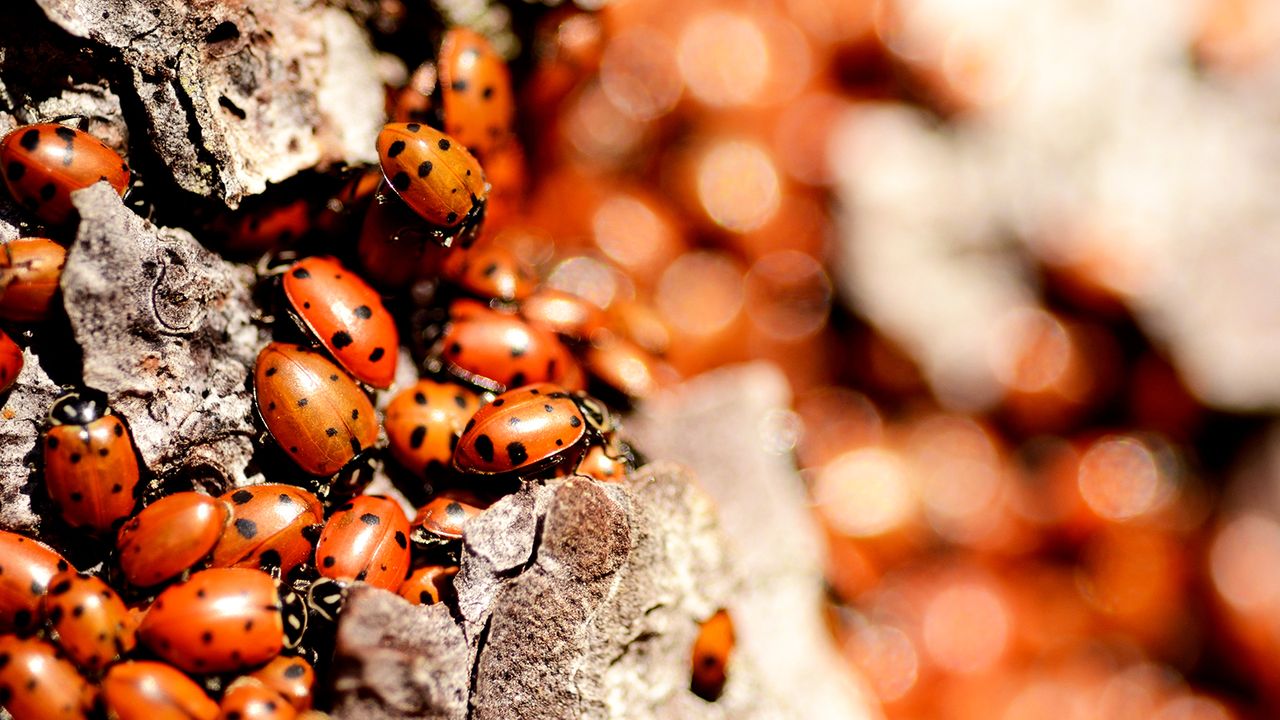
As temperatures drop, ladybugs and their look-alike cousins, Asian lady beetles, begin searching for warm places to spend the winter — often inside our homes. While traditional ladybugs are beneficial garden insects, the more aggressive Asian variety can become a real nuisance, releasing unpleasant odors, staining surfaces, and even occasionally biting when disturbed.
You'll be glad to know you don't need harsh chemicals to keep these insects outside where they belong. With some simple preventative measures and natural deterrents, you can maintain a ladybug-free home throughout the fall and winter months.
Ladybugs VS asian beetles

Native ladybugs are smaller, more docile insects with rounded bodies and vibrant red coloring with distinct black spots. They rarely gather in large numbers inside homes and don't emit odors or stain surfaces. These beneficial insects primarily stay outdoors where they feed on garden pests like aphids.
Asian lady beetles, on the other hand, were introduced to North America as pest control but have become invasive. They're slightly larger with more oval-shaped bodies and coloring that ranges from orange to red. The easiest way to identify them is by the distinctive M-shaped (or W-shaped, depending on perspective) marking on the white area behind their heads.
Unlike native ladybugs, Asian lady beetles are aggressive home invaders, often gathering by the hundreds in wall voids, attics, and around windows. They emit a foul odor when disturbed, leave yellowish stains on surfaces, and can even deliver a mild pinching bite if handled.
How to repel ladybugs and asian beetles
1. Seal all potential entry points
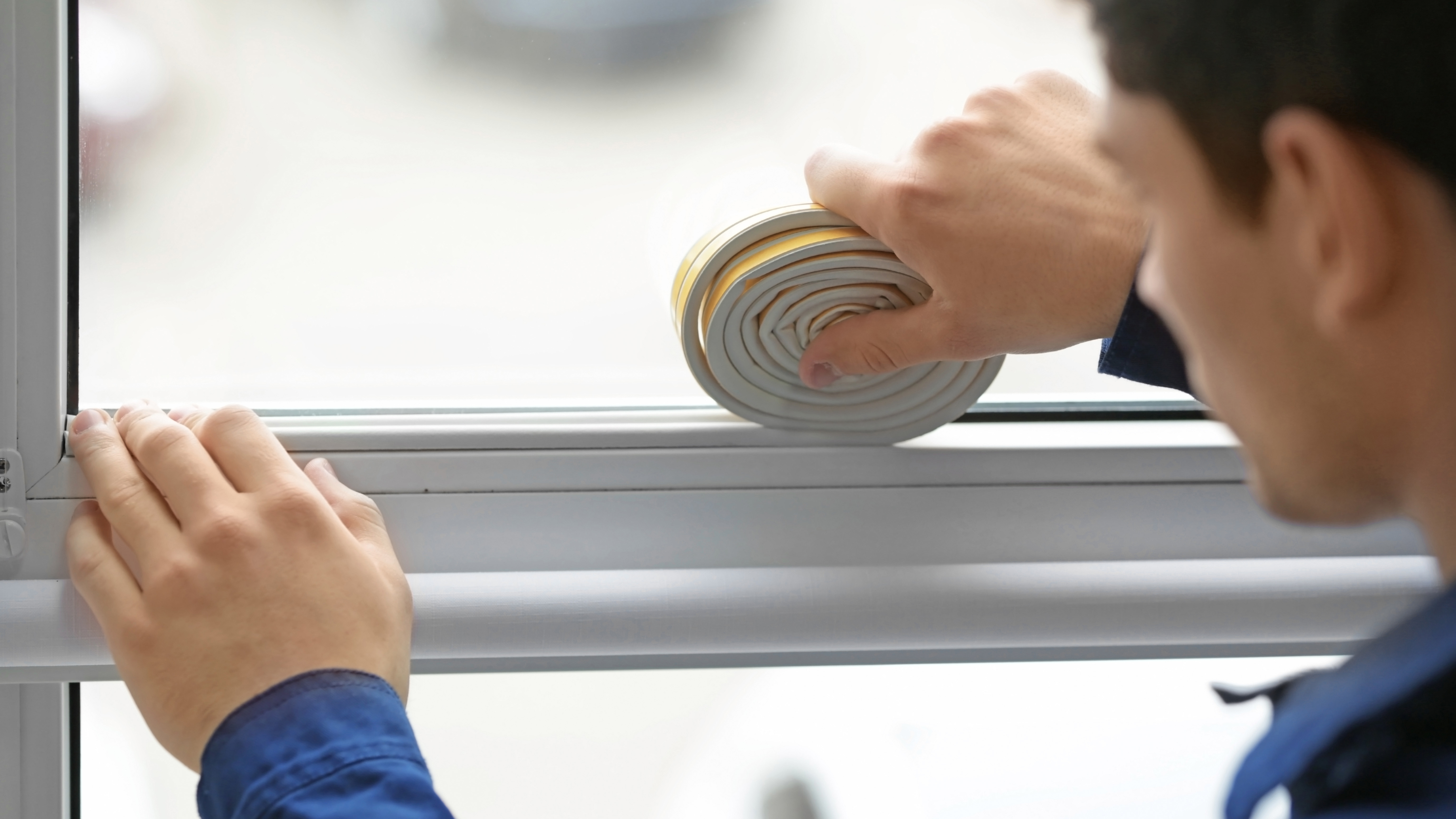
The most effective way to prevent ladybug invasions is to physically block their entry into your home.
Inspect your home's exterior for cracks, gaps, and openings around windows, doors, utility pipes, and vents. Even tiny crevices can serve as entry points for these small insects. Use caulk, weather stripping, or expanding foam to seal these openings.
For a thorough approach, conduct a light test at dusk. Turn on all interior lights and walk around the outside of your home looking for light leaking through cracks or gaps. Wherever light escapes insects can enter, making these areas priority sealing points.
2. Create natural repellent barriers

Ladybugs and Asian lady beetles dislike certain smells that can be used as effective natural deterrents.
Create a protective barrier around windows, doors, and other entry points using essential oils they find offensive. Citrus, citronella, lavender, or eucalyptus oils mixed with water in a spray bottle create an effective repellent. Apply this mixture along windowsills, door frames, and other potential entry areas.
For a longer-lasting barrier, place small sachets containing cloves, bay leaves, or cinnamon sticks near windows and entry points. These natural repellents release scents that discourage ladybugs from settling while keeping your home smelling pleasant.
3. Reduce exterior lighting that attracts insects

Both ladybugs and Asian lady beetles are attracted to light, which often guides them toward your home in the first place.
Replace bright white exterior bulbs with yellow bug lights that are less attractive to insects. Consider using motion-activated lights that only turn on when needed rather than staying on continuously throughout the night.
Pay special attention to lights near entrances and windows, as these create direct pathways for ladybugs to find their way inside. If possible, keep these lights off during peak ladybug migration periods in early fall.
4. Deploy diatomaceous earth
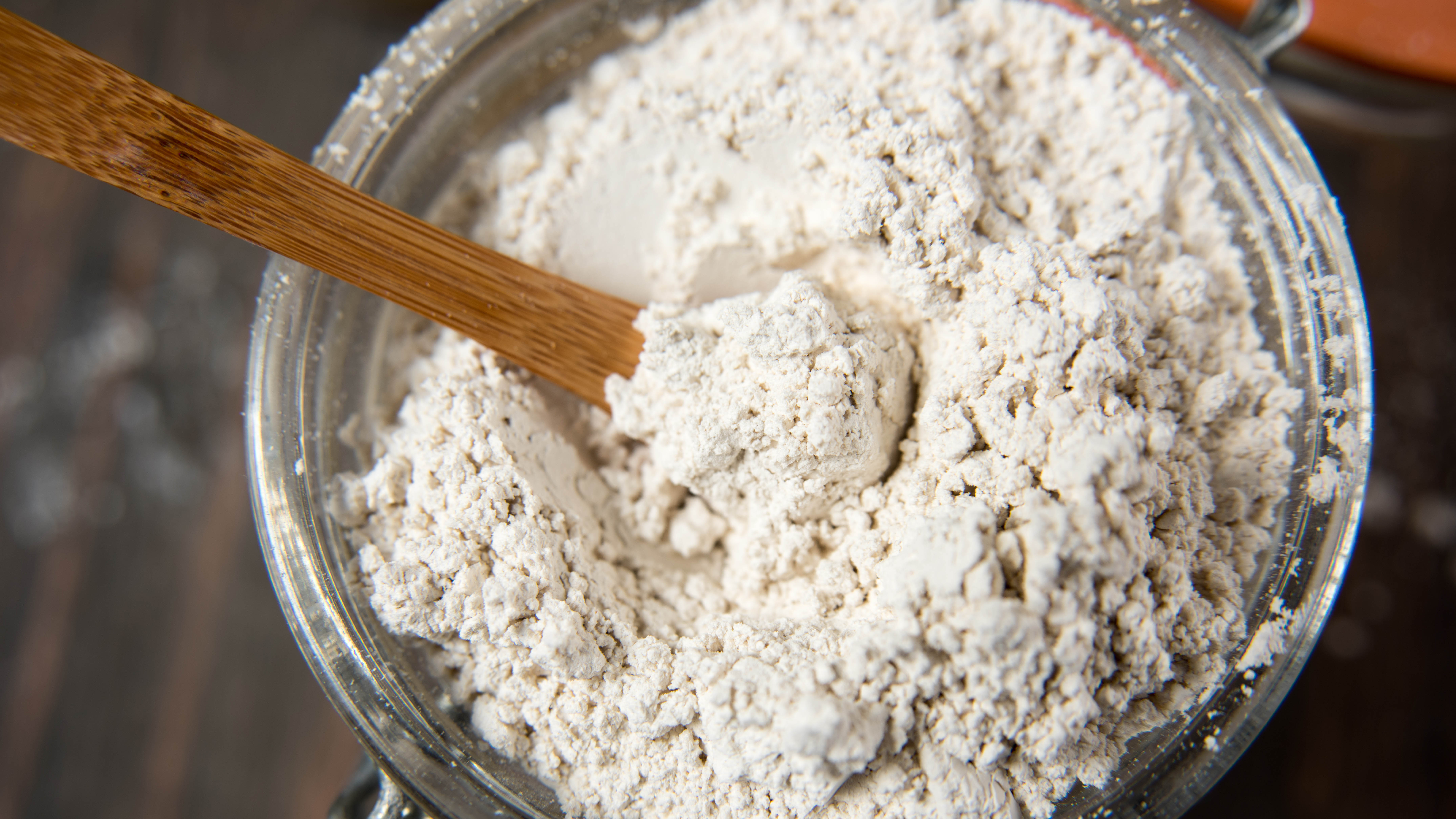
For areas where ladybugs consistently try to enter, diatomaceous earth provides an effective and non-toxic physical barrier.
Sprinkle food-grade diatomaceous earth along windowsills, door thresholds, and other entry points. This powdery substance is harmless to humans and pets but damages the exoskeletons of insects that walk across it, naturally deterring ladybugs without harsh chemicals.
Reapply after cleaning or after heavy rainfall if used in semi-protected outdoor areas. The powder is virtually invisible once applied but creates an effective barrier that insects avoid crossing.
5. Create a ladybug-friendly space
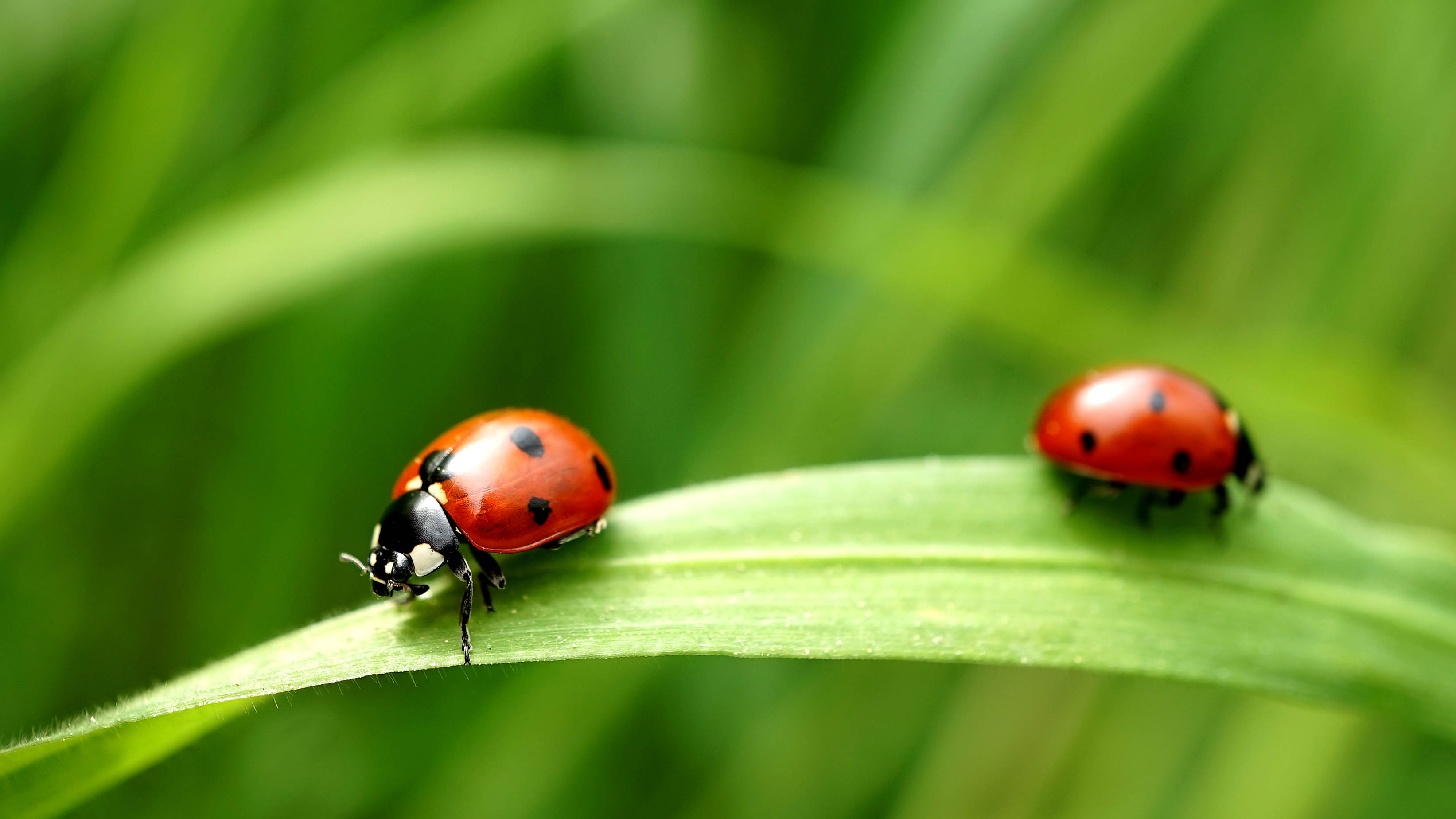
Sometimes the best strategy is to provide an alternative location for ladybugs to overwinter away from your home.
Build or purchase a ladybug house and place it in a sheltered spot in your garden, at least 20 feet from your home. These simple wooden structures provide narrow slits that appeal to ladybugs' desire for protected winter quarters.
This approach is especially effective when combined with attractive plants like yarrow, calendula, or dill placed near the ladybug house but away from your home's foundation. This creates a more appealing destination than your house for these beneficial insects.
With these preventative measures in place, you can enjoy a ladybug-free home while still supporting these beneficial insects in your garden. The key is consistency. Implement these strategies before ladybugs begin seeking winter shelter and maintain them throughout the season for the best result.

Follow Tom's Guide on Google News to get our up-to-date news, how-tos, and reviews in your feeds. Make sure to click the Follow button.