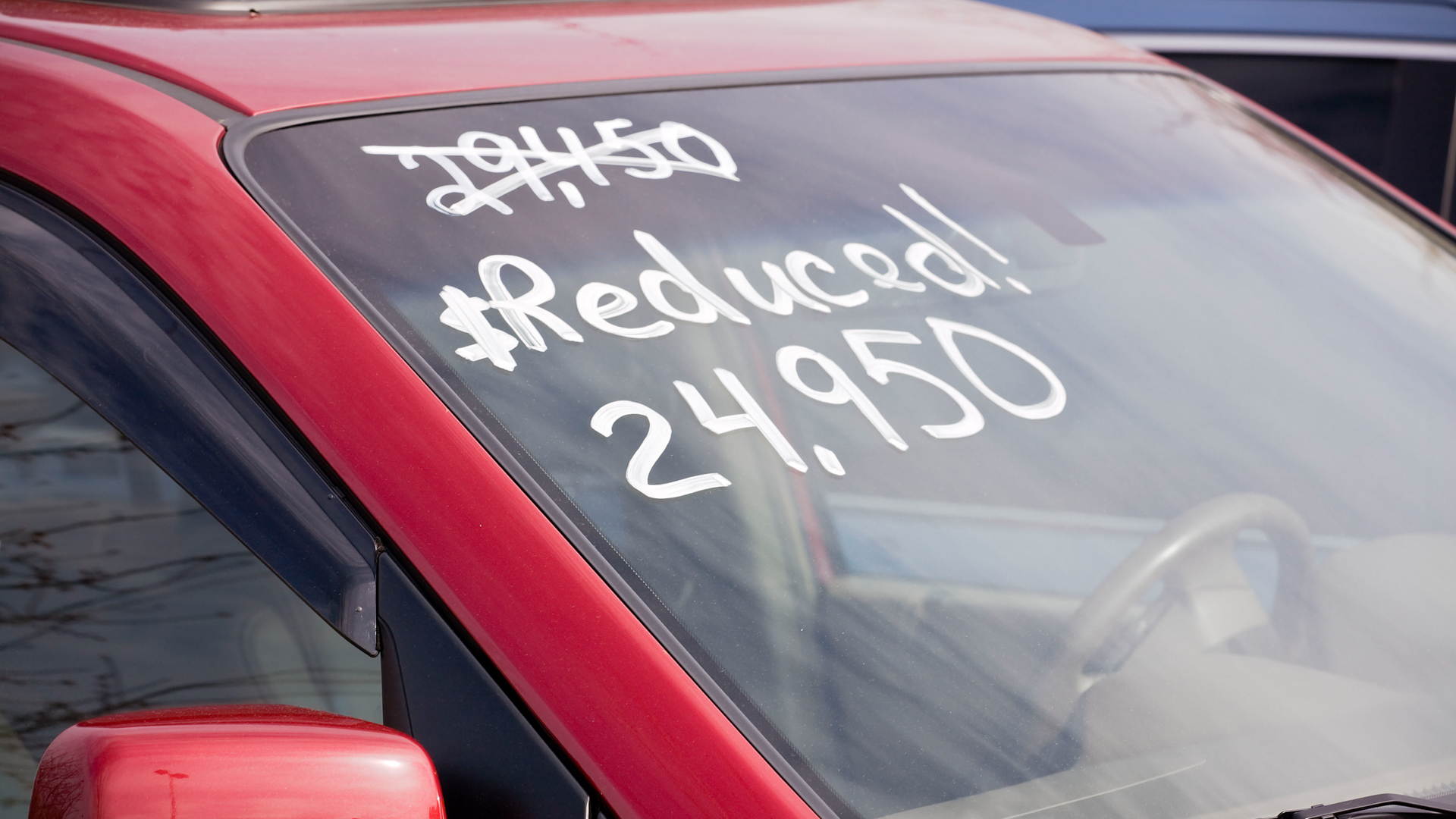
As record-high prices push many middle-class shoppers out of the new-car market, some dealerships are turning to a sneaky tactic to close sales on used vehicles: bait-and-switch pricing. New data from car-shopping app CoPilot found that 71% of used-car buyers encounter these tactics — and the extra charges average $640 per purchase. Dealers lead with an attractive listing price, then reveal surprise fees late in the process.
“The real trap doesn’t spring until you’ve already spent hours at the dealership — test-driving, negotiating and getting excited about the idea of buying the car,” said Michaela Baker, co-founder of CoPilot. “Only then do the hidden fees surface, adding hundreds or even thousands to the final price.”

Here’s how bait-and-switch pricing works, why it’s especially common right now and how to avoid paying more than you should.
How Bait-and-Switch Dealer Pricing Actually Works
It starts with a low online price to get you in the door. Once you’ve invested time and energy, new fees appear — sometimes labeled in confusing ways.
“Our data show this happens in 71% of used car deals, typically through surprise markups, extra fees or add-ons,” Baker said. “Walking away might be the rational choice, but after investing so much time and energy into the process, many buyers give in to bogus fees rather than start over.”
Common add-ons include inflated charges for necessary line items or vaguely named administrative charges that weren’t disclosed in the original listing. The cumulative impact is what drives the average $640 overage.
Be Aware: 7 Critical Checks Before Buying a Used Car, According to Mechanics
Read Next: 6 Safe Accounts Proven To Grow Your Money Up To 13x Faster
Why Bait-and-Switch Tactics Are So Common Today
The roots of today’s tactics stretch back to the COVID-19 era, when severe vehicle shortages sent prices and dealer profits soaring. Even as parts of the market cool, dealer incentives to protect margins remain strong, and used-car inventory has tightened again — especially with fewer off-lease vehicles returning.
“The dealership business model heavily incentivizes not giving customers the full picture in their online listing,” Baker said. “A transparent dealer who lists an honest, complete price often loses out to a competitor who hides fees until the very end of the process. Without meaningful consequences for these bad actors, the industry essentially penalizes the good ones.”
With shoppers feeling pressure to act quickly, buyers are more vulnerable to upsells.
Why Middle-Class Car Buyers Are Hit Hardest by These Tactics
As car prices have surged, middle-class buyers have already been pushed out of much of the market.
New-car prices are up 30% since before COVID-19, and used-car prices have climbed 21%. Before the pandemic, 52% of used cars cost under $20,000; today, only 38% do. The shift is even starker for new cars: In 2020, 38% were priced under $30,000 — now it’s just 9%. Families earning under $75,000 now account for only about one-quarter of new-car purchases, down from more than one-third pre-pandemic.
“When these buyers turn to the used car market — as they’re more often forced to do these days — they’re often working with tight budgets and rely heavily on online price filters, naturally gravitating toward the lowest number they see,” Baker said. “That makes them especially vulnerable to bait-and-switch listings. When affordable options are so scarce, starting over can feel impossible.”
How To Avoid Bait-and-Switch Tactics When Buying a Used Car
Baker recommended a few simple steps to take to avoid bait-and-switch tactics when car shopping:
- Get the out-the-door price in writing before you go anywhere. Ask the dealership to email the final, all-in price with a line-item breakdown, including the vehicle price, taxes, title, registration and any dealer fees. Don’t visit until you have this. “Once you’re physically in the dealership, you lose all your leverage,” Baker said.
- Look closely at the fees. If a fee seems high or vague, ask for a plain-English explanation and the legal basis for charging it. Some fees are real — e.g., state title/registration. Others can be excessive or duplicative, like inflated “documentation” charges or ambiguously named admin fees. Baker points to the “electronic filing fee” as a common example: It covers digital title and registration submission to the DMV, but the ambiguous label can be used to discourage pushback.
- Know what’s normal in your state: Search for average dealer fees in your state to get a baseline. “If a dealership’s fees are way above that, it’s a red flag,” Baker said. “Don’t be afraid to walk away if they can’t justify why their fees are so much higher than the norm.”
More From GOBankingRates
- 12 Costco Deals for 2026 To Grab as Soon as Possible
- I Retired a Millionaire: The Best $30,000 I Ever Spent Preparing for Retirement
- 5 Clever Ways Retirees Are Earning Up to $1K Per Month From Home
- 9 Low-Effort Ways to Make Passive Income (You Can Start This Week)
This article originally appeared on GOBankingRates.com: This Used Car Dealership Tactic Is Costing Middle-Class Buyers an Extra $640