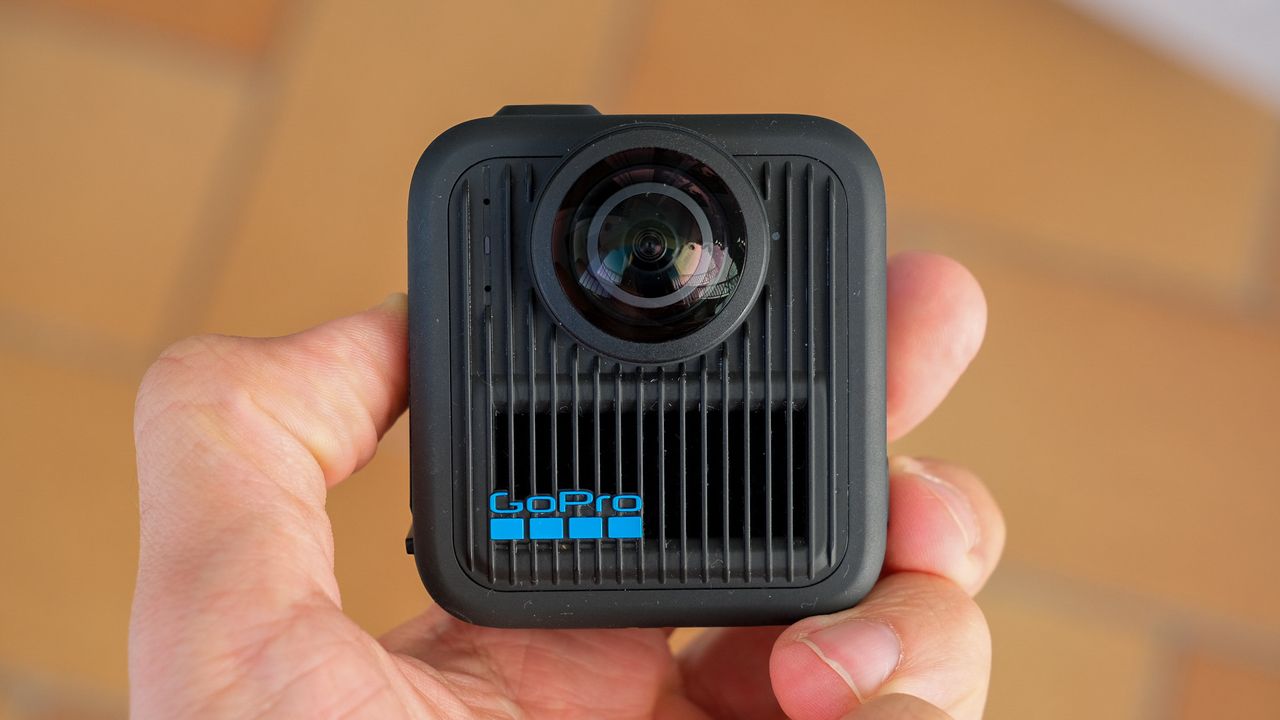
GoPro has just revealed its most advanced custom imaging processor yet, the new GP3 chip, setting the stage for its next generation of action cams, vlogging gear and even compact cinema-grade cameras.
The GP3 is a 5-nanometer System-on-a-Chip (SoC) designed entirely in-house and promises more than twice the pixel-processing power of GoPro’s existing GP2 chip.

The GP2 was launched in 2011, with the GoPro Hero 10 Black being the first camera to use the processor.
Since then, it's been utilised in every camera the brand has launched, including the flagship Hero 13 Black and the latest GoPro MAX 2.
A serious silicon upgrade
According to the brand, the new chip will deliver noticeably improved image quality, low-light performance, higher resolutions and faster frame rates, all while offering best-in-class energy efficiency and thermal management for longer runtimes.
The GP3 houses a dedicated AI Neural Processor Unit (NPU) and specialised cores for scene recognition and subject detection, enabling GoPro cameras to intelligently adapt settings in real time.
This kind of on-device AI has traditionally been found in flagship smartphones and high-end mirrorless cameras, and now it’s coming to GoPro’s compact systems.

GoPro says the GP3 will debut in “new GoPro cameras” launching in Q2 2026, though specific models haven’t been announced yet.
Rumours and early hints from company executives suggest the chip will anchor cameras not just for traditional action use but also for vlogging and ultra-premium compact cinema formats, broadening GoPro’s appeal beyond its core sports audience.
The company has been undergoing significant changes, investing heavily to diversify its product portfolio and respond to growing pressure from rivals such as DJI and Insta360.
This next-gen silicon could help GoPro better compete with both dedicated imaging rivals and high-end smartphone video features that have eaten into the action camera market in recent years.
How much can GoPro's new products, powered by the GP3 chip, change the current status quo? We'll find out later this year.
[via PR Newswire]