Researchers have discovered what could be the world’s largest known spider’s web, an arachnid “megacity” teeming with tens of thousands of the creatures in a cave on the Albania-Greece border.
The newly discovered web is a massive structure spanning 100 square metres and is home to a colony of around 69,000 domestic house spiders, also known as the barn funnel weaver or Tegenaria domestica, and 42,000 Prinerigone vagans, a species of sheet weaver spider.
Social spiders are known to make communal webs that may host thousands of them, and finding a giant web structure inhabited by an otherwise solitary species is already quite rare. But never before had researchers documented a cooperative web woven by individuals belonging to multiple different species.
Explorers first came across the giant web during an underground wildlife survey in 2022.
They reported the “spider megacity” to researchers, who then made multiple site visits to the cave – with its entrance in Greece and deep sections in Albania – to study it.
Researchers tested DNA samples to confirm the identities of the species weaving the web. What’s even more remarkable about this web is that both of the species in it are normally solitary – they don’t typically share webs at all.
“The most impressive occurrence in this cave is a large colonial spider web that covers an estimated 100 square metres of cave wall and hosts 69,000 specimens of T domestica and 42,000 specimens of P vagans,” they wrote in a study published in Subterranean Biology.
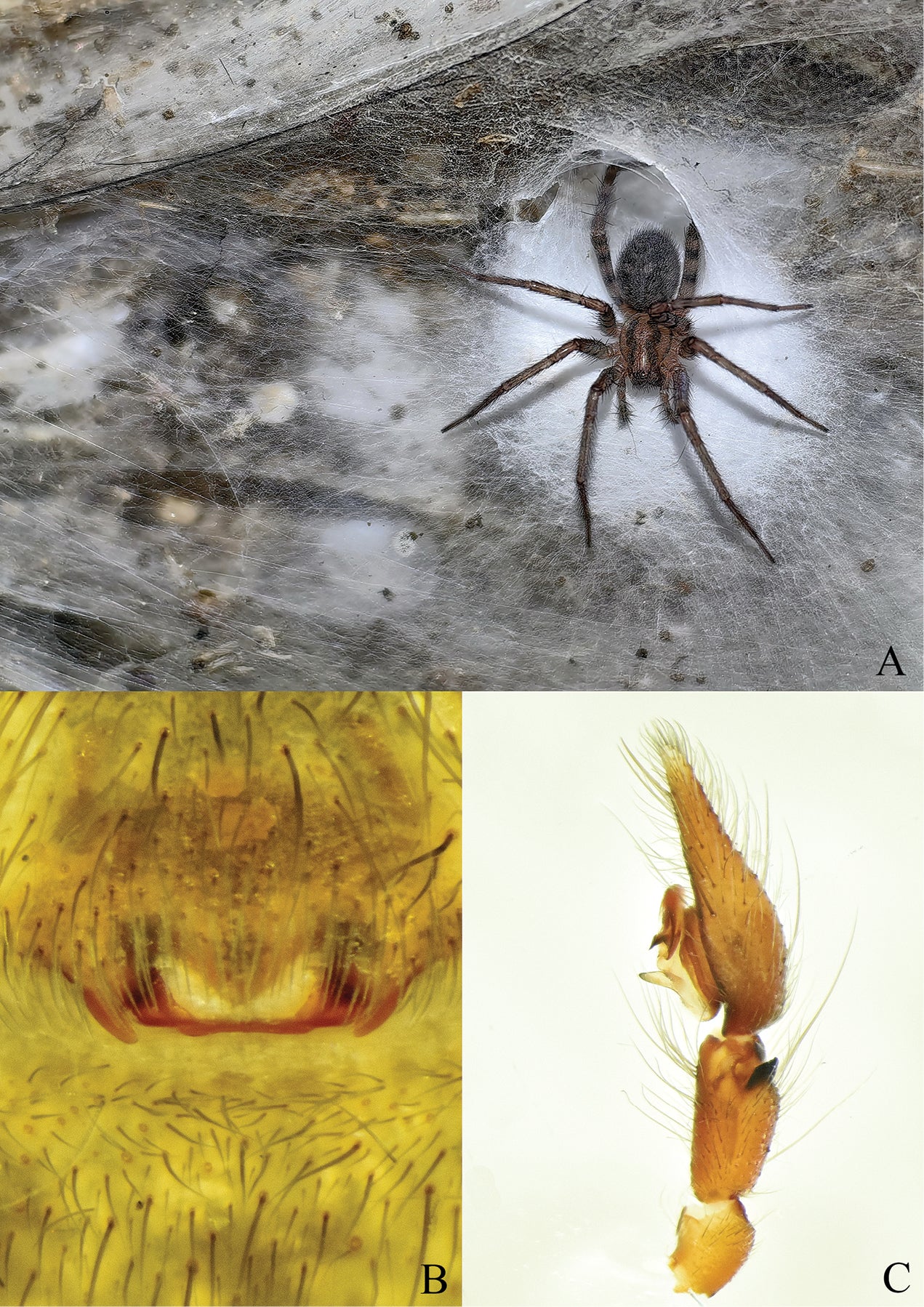
“These are both surface species that have never been reported to form colonies,” they noted, “and molecular evidence suggests the Sulfur Cave population doesn’t exchange individuals with the surface.”
Researchers assessed how the arachnids survived in the harsh conditions of the cave with no sunlight and high levels of toxic hydrogen sulfide gas.

They found that microbes thriving in the cave system were consumed by tiny midges, which in turn got trapped in the giant web to provide an abundant food source for the spiders.
“The colonisation of Sulfur Cave by T domestica was most likely driven by abundant food resources represented by the dense swarm of chironomids thriving in the cave,” scientists wrote.
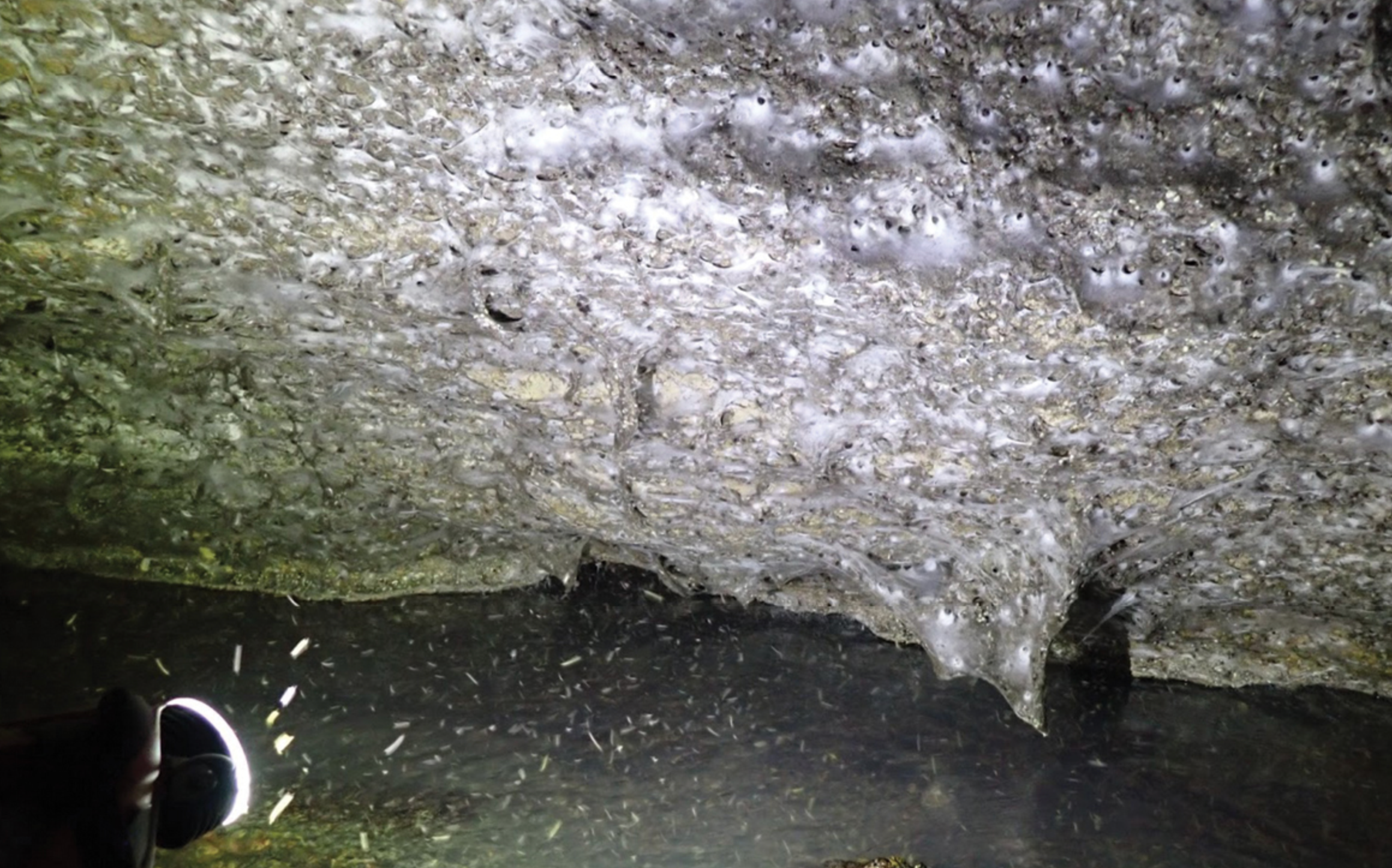
DNA analysis found the spiders were distinct from their relatives outside the cave, suggesting they had adapted to the cave's unique environment.
Scientists suspect the lack of light in the cave may be enabling the much smaller P vagans species to live among the barn funnel spiders inconspicuously.
Pauline Collins, British actress who won cult following for Shirley Valentine, dies at 85
New study changes what we know about Rome’s ancient road system
US and European energy leaders in Greece to talk ways to better supply Ukraine
Scientists warn common diabetes drug may be cancelling out benefits of exercise
More than 20 states will have chance to see northern lights tonight
Could the science behind Frankenstein ever actually work? Here’s what the experts say