
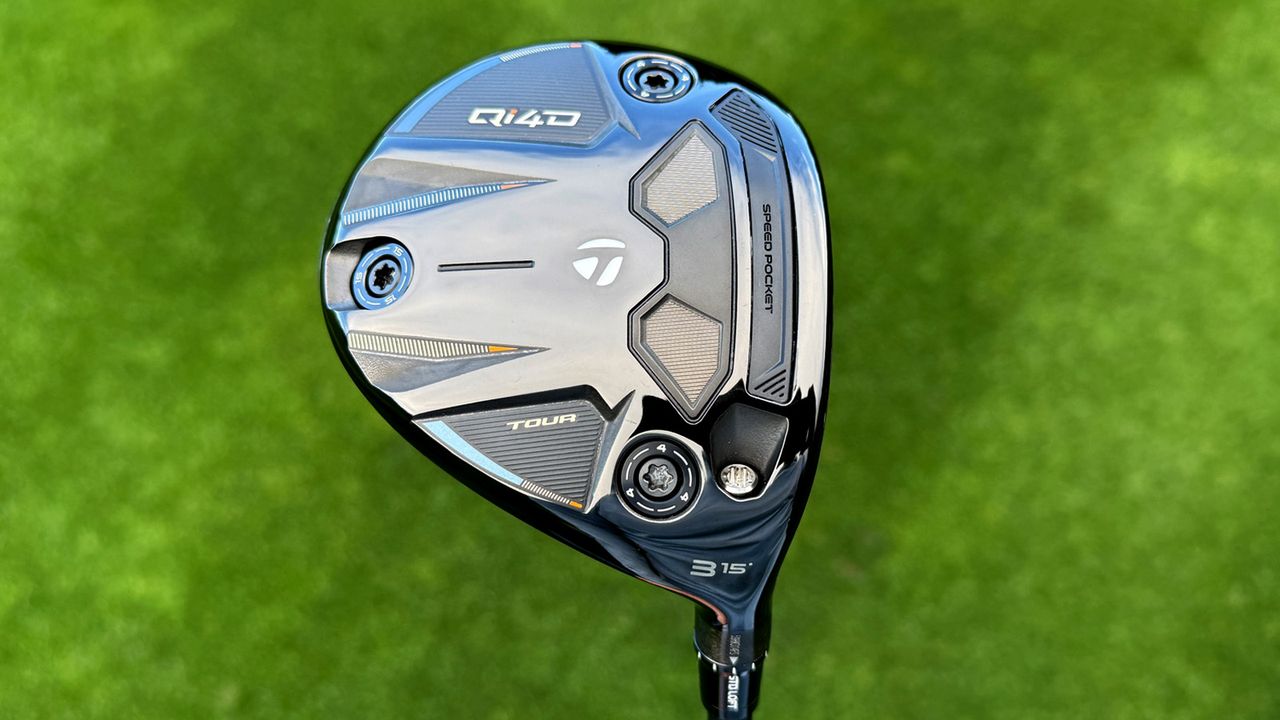
When TaylorMade announced the new Qi4D family, it was the Tour model that naturally caught my eye first. As a plus handicapper, I generally gravitate towards the more compact, player-focused heads in any new range of products released, but I must admit that I found the footprint of the Qi4D Tour to be a little intimidating when I first put it down behind a ball.
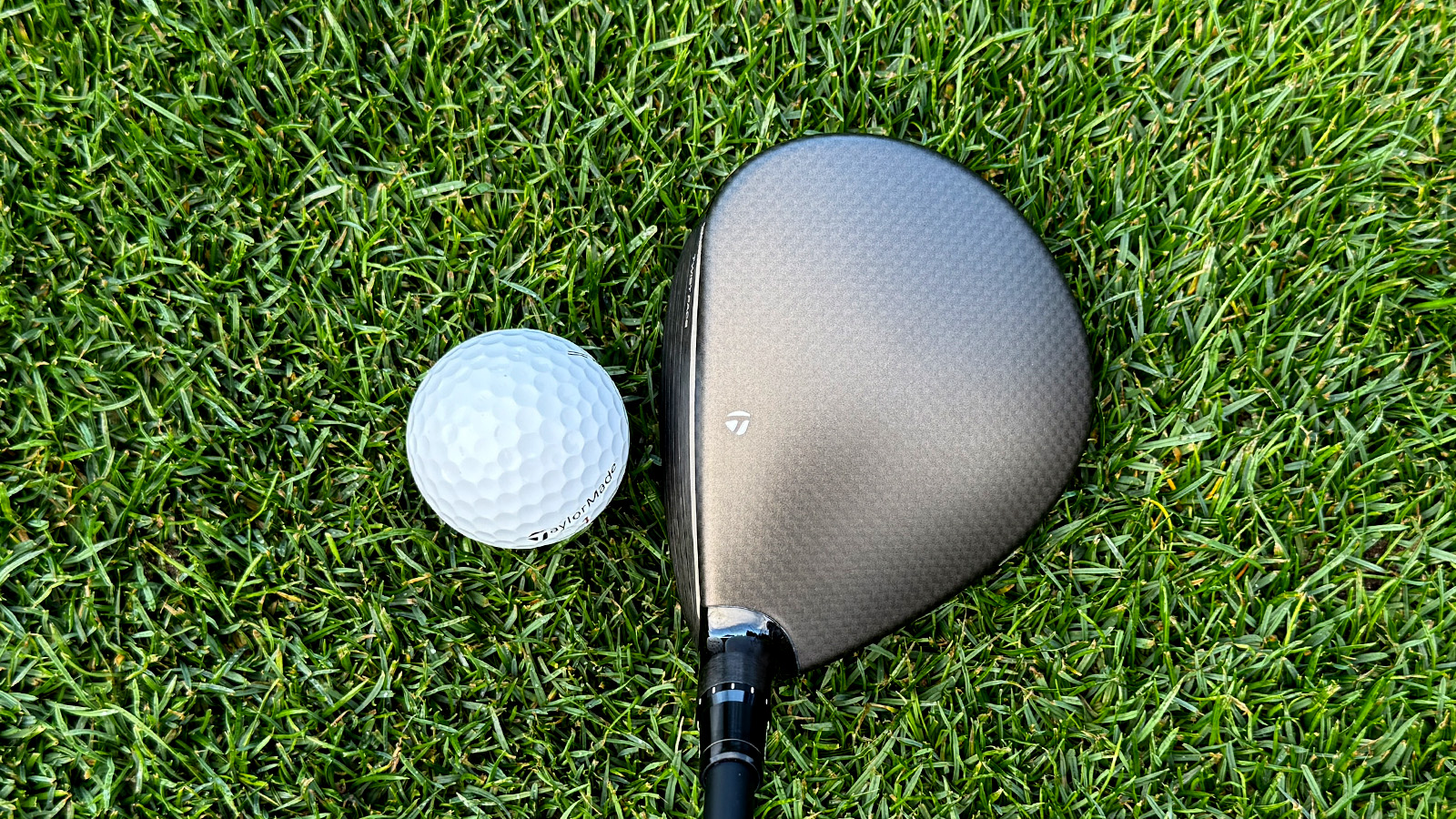

From a visual standpoint, I believe this is undoubtedly the best-looking head in the lineup. It’s small and sleek and just looks to be of the highest spec. The sole of the Tour head looks the most premium in the Qi4D family, utilising sleek lines and a clean aesthetic that scream quality. It’s like configuring a car, but instead of choosing the base model, you add all the aftermarket extras.
However, down in the address position, the very small and compact 175cc head really demands attention. Even as a confident ball striker, I felt as though this footprint would only appeal to a small percentage of golfers who truly prefer that old-school, smaller head shape and certainly not any golfers looking for the ease of launch on offer from some of the most forgiving fairway woods.

Where this club separates itself from its siblings is in its adjustability. TaylorMade has included three weight ports (one 15g weight and two 4g weights) rather than a track system, which allow for complete CG customisation. When you combine this with the 4° loft sleeve, this fairway wood allows for what is up there as the most adjustability ever offered on a fairway wood. Whether you want to dial in a fade bias, lower spin, or anti-slice characteristics, this Swiss Army Knife of a fairway wood allows you to do so.
To see how this adjustability and compact design translated to performance, I hit the Qi4D Tour on a Foresight Sports GCQuad launch monitor. The data was surprising, and despite the slightly smaller head, which should move faster due to the smaller size, I actually moved this model a touch slower than the core Qi4D fairway wood model.

I saw ball speeds of just over 149mph, which was around 6mph slower than the core model, and this lack of speed had a knock-on effect down range, resulting in a loss of 7 yards in carry. If you are looking for raw distance and forgiveness, then I would recommend the core model - a fairway that I think will quickly become recognised as one of the best fairway woods on the market.

However, launch monitor data only tells half the story, because while it wasn’t the quickest or most forgiving when testing, the Qi4D Tour model excelled on the golf course. Those who like a club with maximum workability will love the Qi4D Tour head.
It was exceptionally easy to hit different trajectories and work the ball from left to right and vice versa on command. It also wasn't as far behind the core model in terms of total distance output as the launch monitor suggested it would be thanks to the penetrating flight.

While a lot of golfers now see shots in straighter lines, traditionalists who see shots more creatively will love the Qi4D Tour fairway wood. It brings a level of shot-making and artistry back to the game that modern, high-MOI heads seem to cancel out.