Get all your news in one place.
100's of premium titles.
One app.
Start reading
Times Life
Times Life
Deepak Rajeev

This Kolkata Temple Offers Noodles to Kali Maa- Here’s Why

In Kolkata’s Tangra area lies a shrine that beautifully blends two different cultures using the common threads of faith and gratitude. The temple at this place, which is often known as “Chinatown” represents the universal healing power and boundless strength and kindness of Kali Maa. We are talking about the Chinese Kali Temple where Hindu rituals and Chinese traditions come together in a deeply unique and transcendental way. Lets learn about this must-visit Kali Maa temple, its powerful history and customs in this article.

History of Chinese Kali Temple

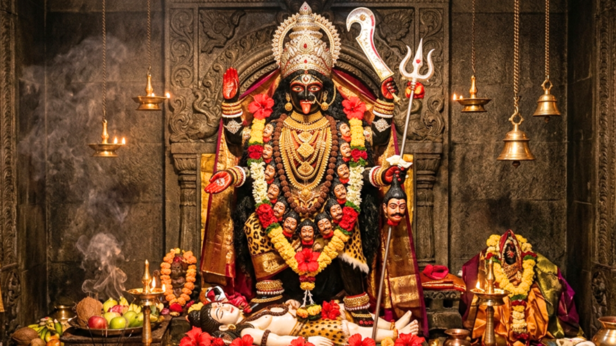
Kali Maa Idol at Chinese Kali Temple | Instagram - @calcuttatrending

There used to be an old tree and two black stones under it in the spot in which the Chinese Kali Temple stands tall today. Local devotees used to pray to these stones, believing that they contain the divine essence of Kali Maa. According to the legend, the instance in which the Chinese Kali Temple took birth dates back to almost 60 years when a Chinese boy living in the neighbourhood, who was only 10 years old, fell ill. His parents took him to a number of doctors. However, his health didn’t improve even a bit. In a moment of panic and deep grief, the parents laid the child under the tree at Tangra and prayed to the stones throughout day and night. In a miraculous way, the boy got healed. This great blessing from Goddess Kali spread faith amongst the Chinese communities. During the days that followed, the Chinese people came together with their Bengali friends and constructed the temple which got renovated into the granite structured Chinese Kali Temple that we see today.

Unique Prasadam & Customs at Chinese Kali Temple

A key aspect that sets this temple apart is the “Bhog” that is offered to the Goddess. It consists of fried rice, noodles and chop suey. In fact, on particular, auspicious days, you will find stir-fried foods and vegetable momos being offered to the deity.

The deity of Kali Maa can be seen wearing garlands that are made up of red hibiscus. But the large Chinese sticks that the devotees light up during prayers will remind you of the Chinese roots of the shrine. Furthermore, the common Chinese ritual of burning handmade papers in order to ward off evil is frequently carried out in this temple. As a matter of fact, even the Aarti itself makes us realise the profound cultural blend of Indian and Chinese traditions as the Bengali priest offers rituals we can see Chinese devotees praying to Goddess Kali.

Explore the latest trends and tips in Health & Fitness, Spiritual, Travel, Life Hacks, Trending, Fashion & Beauty, and Relationships at Times Life!

Sign up to read this article
Read news from 100's of titles, curated specifically for you.
Already a member? Sign in here
Related Stories
Top stories on inkl right now
One subscription that gives you access to news from hundreds of sites
Already a member? Sign in here
Our Picks
Fourteen days free
Download the app
One app. One membership.
100+ trusted global sources.