
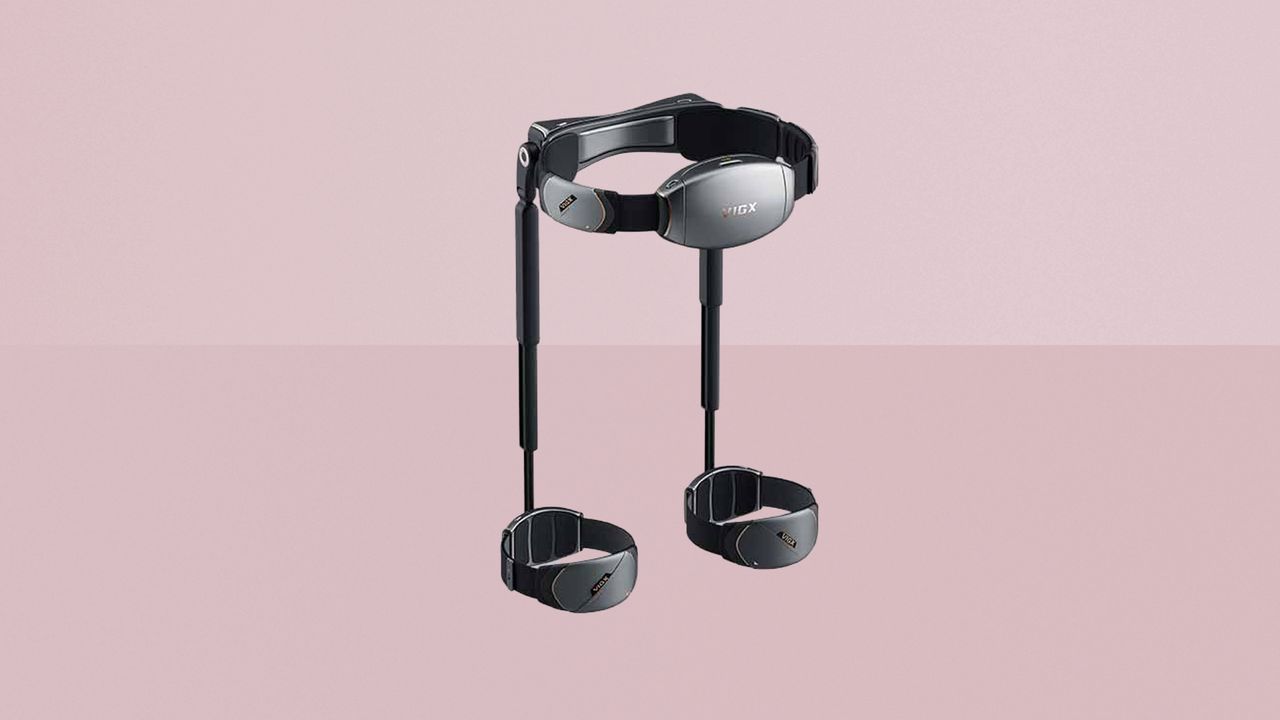
VIGX has recently unveiled its latest wearable robotics project, the π6, a compact exoskeleton that promises to blend serious assistive power with an unusually futuristic feature: an AI-driven terrain camera that reads the ground before your feet touch it.
Thanks to advancements in AI/LLMs, exoskeletons have become much better at predicting movement and, therefore, assisting users more smoothly.
Most wearable exoskeletons currently available, such as the Hypershell X Pro, rely primarily on motion sensors and joint feedback, which are analysed by an on-board algorithm.
The π6 also utilises these, but adds onboard cameras and a dedicated AI processor to visually analyse upcoming terrain in real time.
Slopes, steps, and uneven ground can be identified before the user reaches them, allowing the system to automatically adjust assistance.
According to VIGX, this happens in milliseconds, aiming to make walking, climbing and long-distance movement feel more natural and less fatiguing.
The ground, pre-loaded
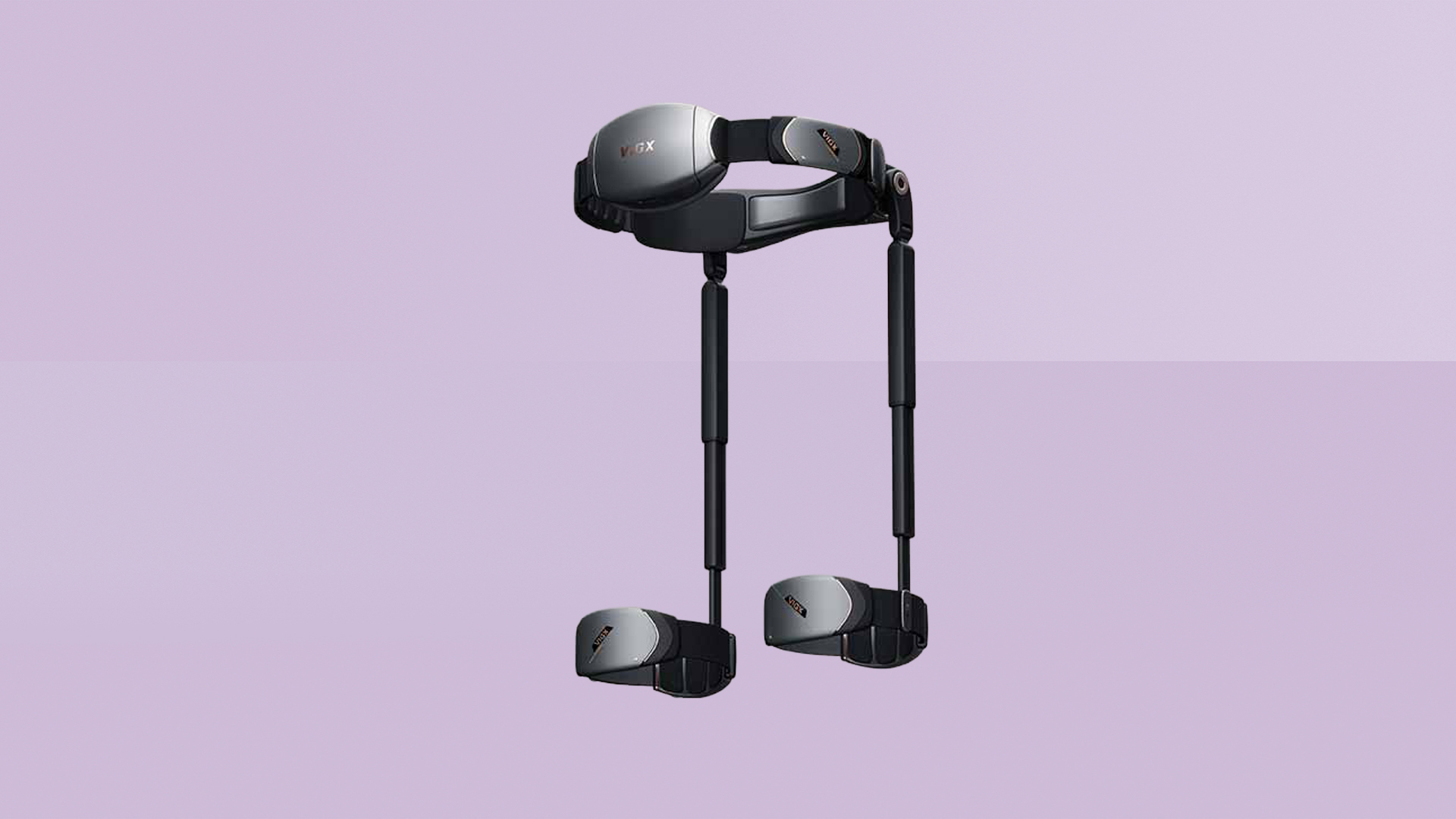
The π6 weighs just under 2kg and is highly portable, designed to be carried in a backpack rather than worn permanently.
VIGX describes it as a deploy-when-needed wearable, positioning it somewhere between outdoor gear and advanced robotics.
Peak output is rated at around 800W with 16Nm of assistive torque, enough to support everyday walking, hiking and extended periods on your feet.
Power comes from a modular 92Wh battery built into a belt unit, which can also double as a power bank for charging small devices.
VIGX claims the system can support up to 40km (~24.8 miles) of assisted movement per charge, depending on usage and terrain.
Of course, bold claims are easier to make than to prove. Real-world performance, comfort and reliability will ultimately decide if the AI terrain camera is a genuine breakthrough or simply an impressive demo feature.
Still, as wearable tech continues to push beyond smartwatches and smart rings, the π6 feels like a glimpse of what the next decade of personal hardware could look like.
VIGX says the π6 is expected to launch commercially in June 2026, with pricing and regional availability still to be confirmed.
The brand doesn't list the upcoming model on its website yet.
[via Notebookcheck]