If you wear an Oura Ring, you’ll be familiar with your sleep score, readiness, and recovery metrics. But among that data is a hidden Oura Ring feature that could improve how well you sleep: identifying your chronotype.
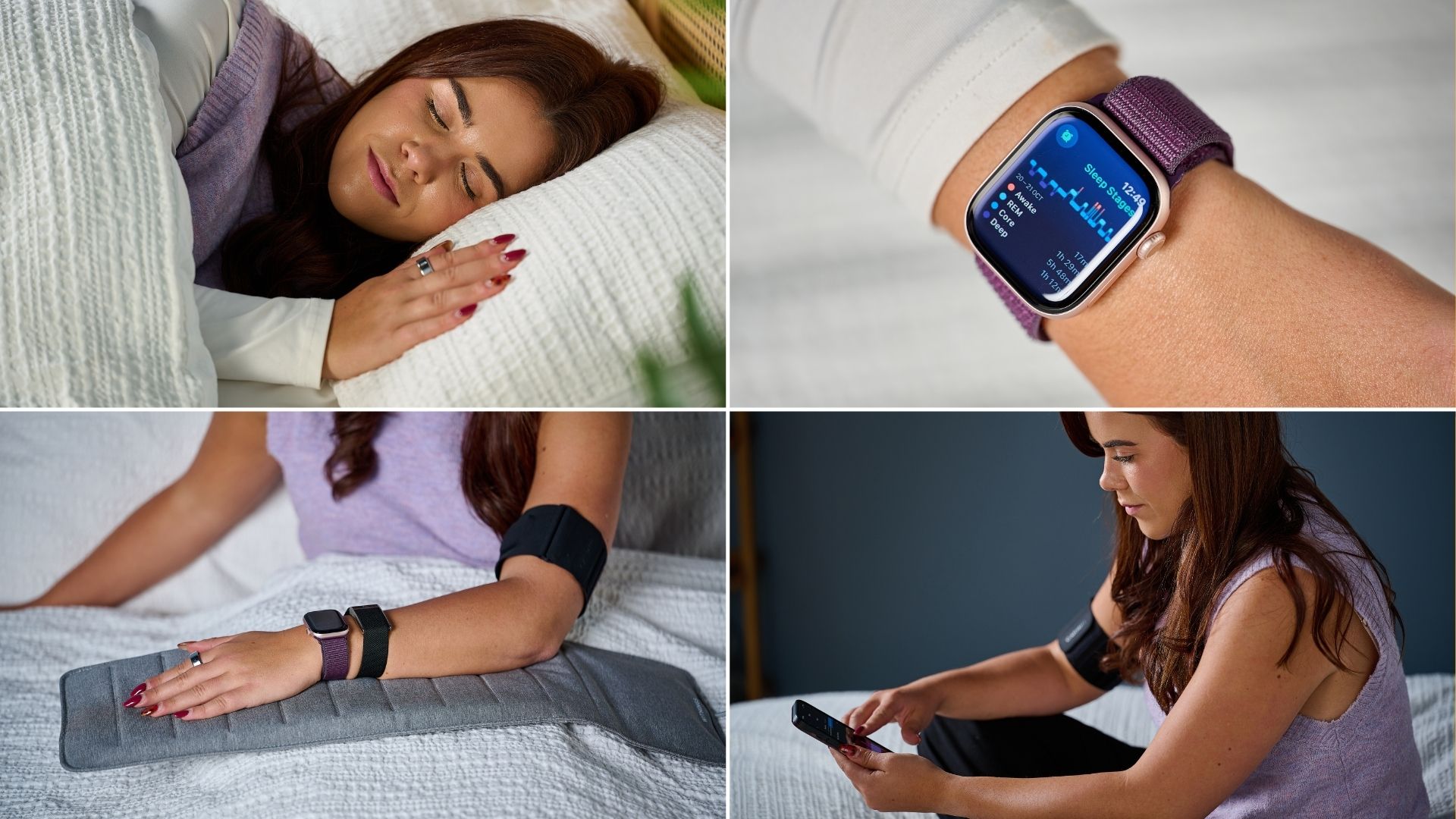
Our team of sleep experts have tested and reviewed all the best sleep trackers of 2026, from sleek smart rings to non-wearable options.
Think of your chronotype as your body’s natural timing preference — whether you’re wired to function better earlier or later in the day.
It’s easy to scroll past chronotype data, but Oura’s version — found in the Gen 3 and Gen 4 rings — is arguably the most comprehensive among its sleep tracking competitors. When combined with Oura’s Body Clock feature, it can help pinpoint your ideal sleep window — the time you’re biologically primed to fall asleep.
This guide explains how identifying your chronotype can lead to deeper, longer sleep, and how to find and use the feature inside the Oura app.
What are sleep chronotypes?
Sleep chronotypes describe whether you’re naturally more of a morning person or a night person — often referred to as being a morning lark or a night owl. However, many sleep experts believe that binary is too basic, which is why more detailed frameworks exist — your chronotype.
Your chronotype is different from your circadian rhythm (your internal body clock), which is influenced through lifestyle factors. Instead, your chronotype is dictated by genetics and hardwired.
The four-stage animal framework
Some models divide people into four types. Clinical psychologist and sleep medicine expert Michael Breus, for example, popularised a framework that includes “lions” (early risers), “bears” (those who peak around mid-day), “wolves” (night owls), and “dolphins” (light or irregular sleepers).
The six-stage Oura framework
Oura takes a more granular approach. It identifies six chronotypes, early morning type, morning type, late morning type, early evening type, evening type and late evening type. This added nuance recognises that not all night owls are the same — and that not all morning types thrive at dawn.
This makes Oura’s chronotype feature particularly useful, because even small mismatches between your biology and daily schedule can make it harder to fall asleep, stay asleep, or feel rested the next day.

How to use your Oura ring to identify your chronotype
Oura doesn’t estimate your chronotype after a single night’s sleep. Instead, it analyses up to 90 days of data, including sleep timing, activity levels, and body temperature, to determine when your body naturally prefers to rest and be active.
Because of this, it can take between 40 and 90 days for your chronotype to appear in the app.
How to find your chronotype
Once it does, you can find it by tapping the My Health tab and scrolling to the bottom of the screen.
Here, Oura explains which chronotype you fall into, along with what that means for your sleep patterns and energy levels. (As we discovered during our Oura Ring 4 smart ring review, that insight is useful on its own.)
How to find your Body Clock
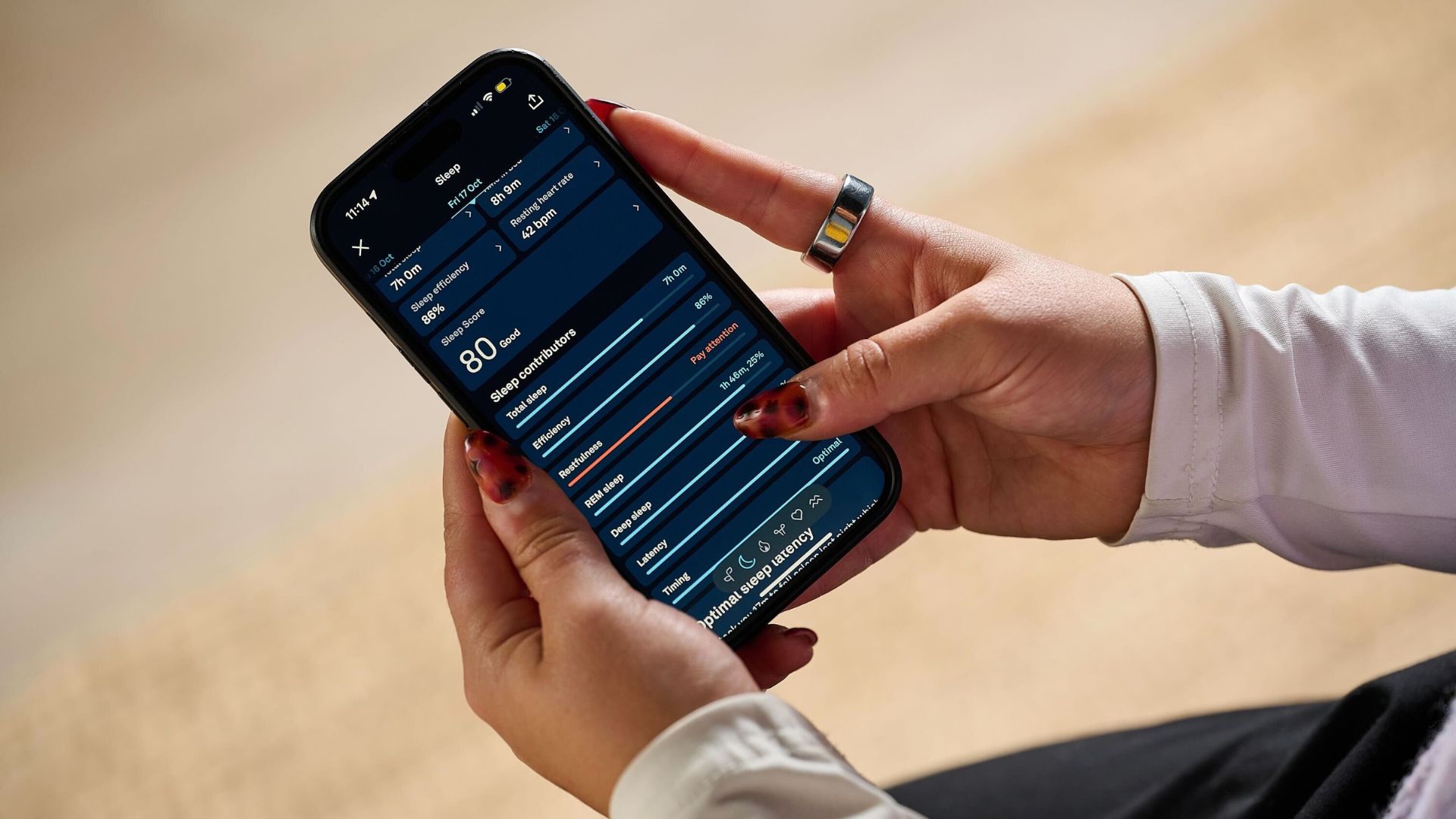
But chronotype becomes practical when paired with Oura’s Body Clock feature. To check it, tap the Sleep shortcut on the Today tab, scroll down to the Body Clock card, and open the detailed 24-hour clock.
You’ll see two rings:
- The outer ring shows your actual sleep schedule from the previous night
- The inner ring shows your optimal sleep window based on your chronotype
This makes it easy to see whether your current routine aligns with your biology. You can tap the information icon to learn more about circadian rhythms, or access your chronotype details from here too.
So, your chronotype explains when your body prefers to sleep. Body Clock shows how closely your real-world schedule matches that preference, and where small adjustments could make falling asleep feel easier.
How identifying your chronotype can benefit sleep
For many people, the biggest benefit of understanding their chronotype is that it has the potential to make sleep feel less like a battle.
When you align your habits with your biology, instead of forcing yourself into an routine that clashes with your chronotype's natural inclination, it often becomes easier to fall asleep, stay asleep and wake up feeling refreshed.
Morning chronotypes tend to feel and perform better when they prioritise earlier bedtimes and tackle demanding tasks earlier in the day. Evening types, on the other hand, often feel more alert, creative, and energised later on, and may struggle with early nights and mornings.
Combined with Body Clock, chronotype data also gives you a personalised target bedtime, rather than a generic “go to bed earlier” message. That can make healthy habits feel more achievable, whether that means shifting workouts later, scheduling focused work when your energy peaks, or simply easing up on yourself when your sleep pattern doesn’t line up with everyone else’s.
In a world largely structured around early starts, that kind of insight can bring both better sleep and a little more self-acceptance.