
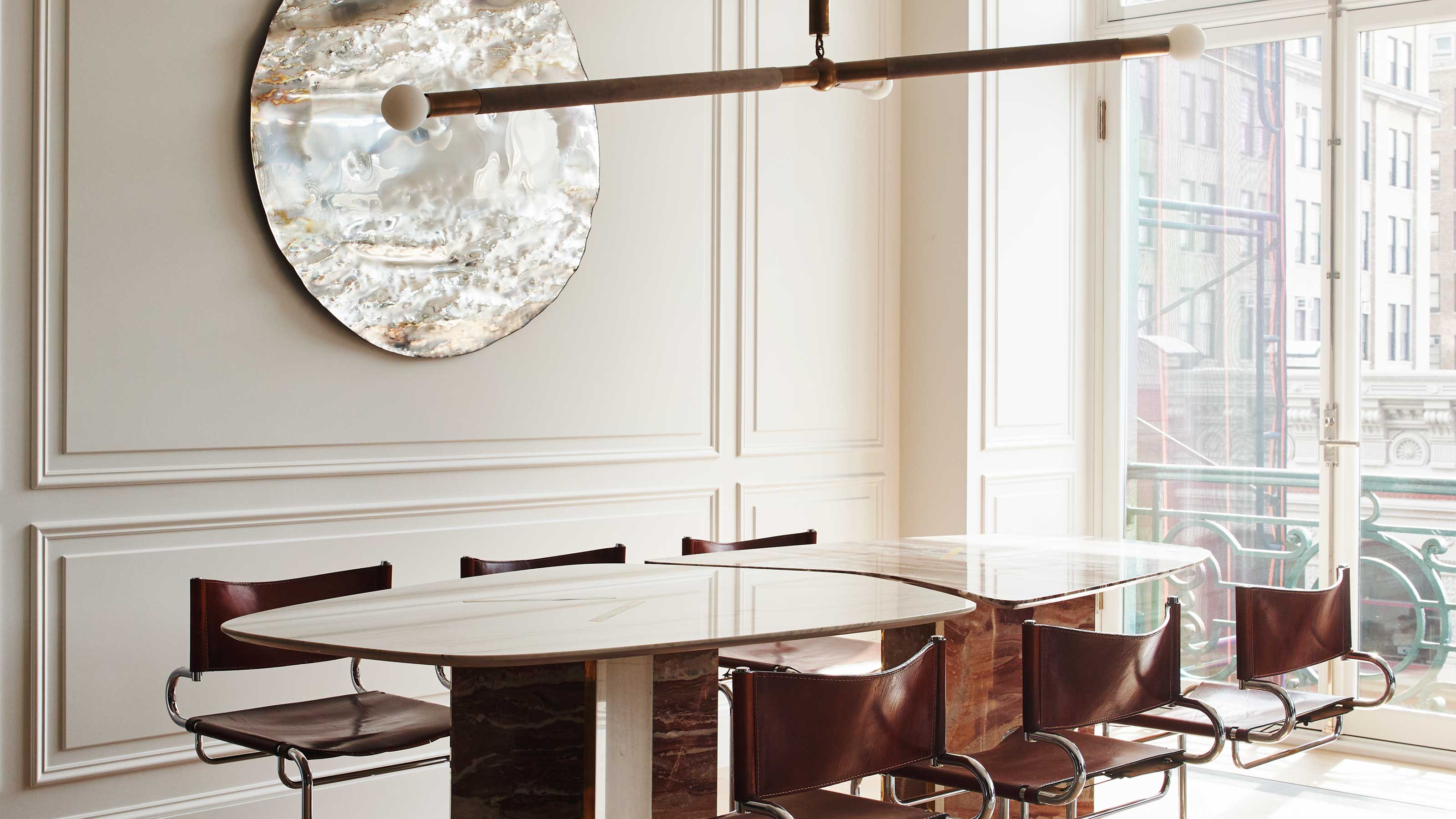
Whether you’re looking for inspiration online, or flicking through a glossy interiors magazine, the way we consume interior design content makes it largely a visual medium. However, when you’re actually experiencing your home, it’s about so much more than sight alone.
Touch, hearing, smell - they all have a role in how our brains decipher a space and how our homes make us feel. It’s an idea that’s the backbone of an interiors movement often referred to as sensory design. 'A sensory approach to interior design combines materials, colors, fragrances and sounds to drive emotions and connect humans with their environments, making more sense of the world we live in,' says Franky Rousell, founder and CEO of international interior design studio Jolie, which specializes in sensory interior design. 'Life is multi-sensory. All of your senses work in tandem to inform how you experience an environment and, in turn, how you react emotionally to it. So, in sensory design, we are always looking at how all of the senses interact with one another, ensuring harmony across the senses for the most impactful schemes.'