
The AI wearable space has been defined over the last couple of years by big promises and, in some highly public cases, conspicuous underdelivery.
Humane’s AI Pin arrived amid huge hype as a novel screenless, voice-driven assistant, only to stumble over performance limitations and a user experience that never quite justified carrying a second device.
The Rabbit R1, another buzzy wearable from the weird-and-wondrous world of wearable tech, aimed to be a social-first AI companion yet struggled with stability, battery life and core functionality, leaving many early adopters disappointed.
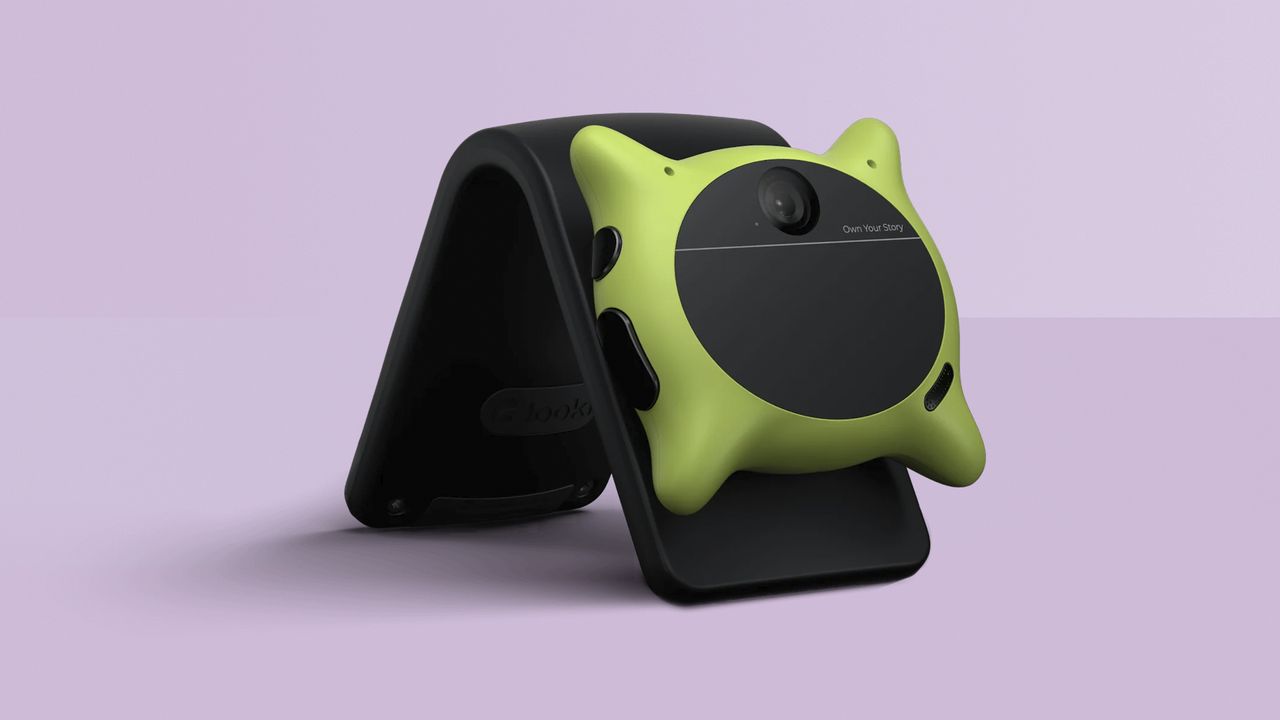
Into that landscape steps the Looki L1, a compact, waterproof wearable camera that, at first glance, doesn’t look like what you think when someone says “AI wearable.”
Memory, outsourced
Looki describes the L1 as a kind of second brain, quietly building a memory log as you move through your day.
It uses a combination of vision, audio and motion sensing along with on-device processing to detect context, and decides how and when to record.
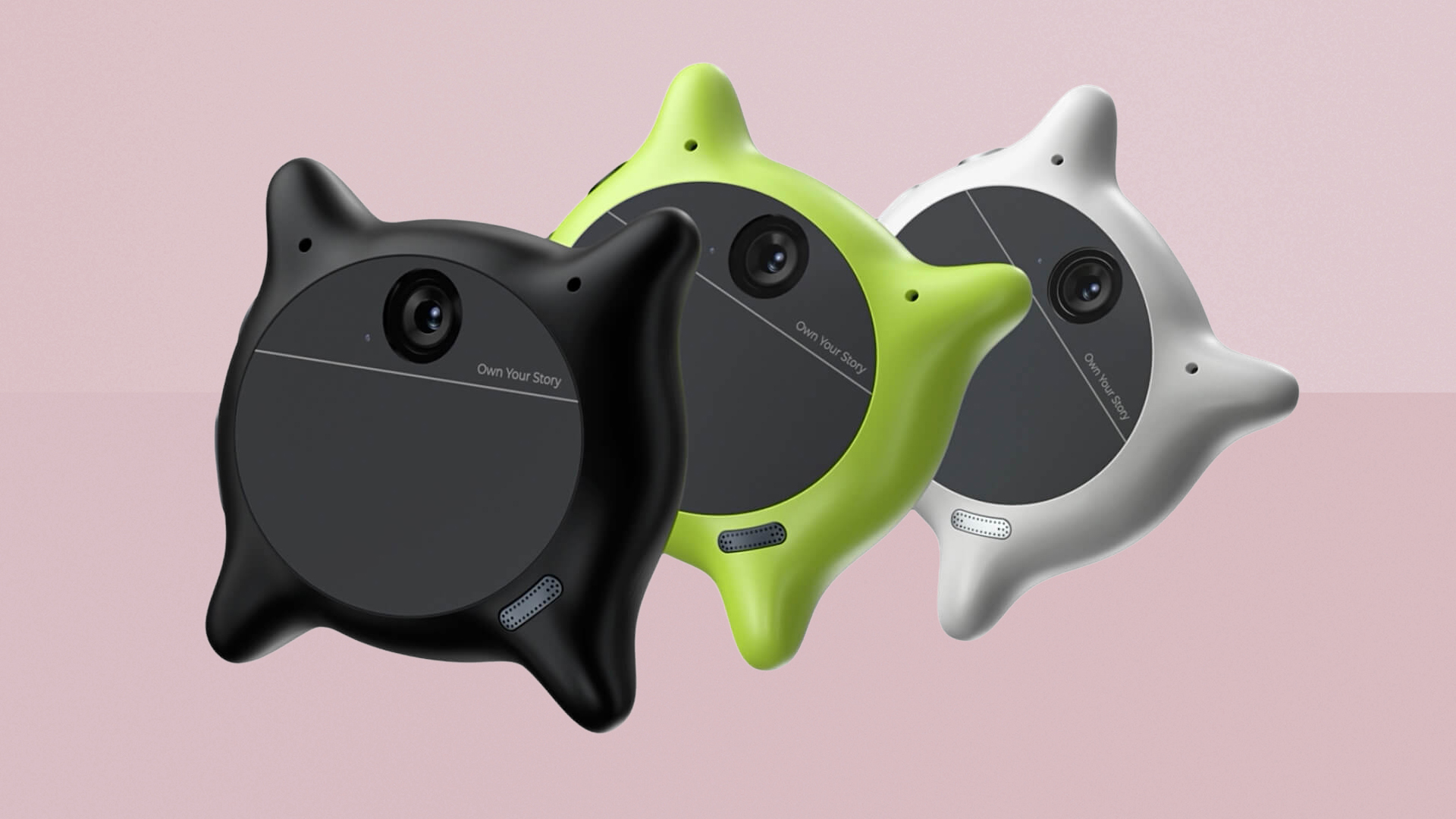
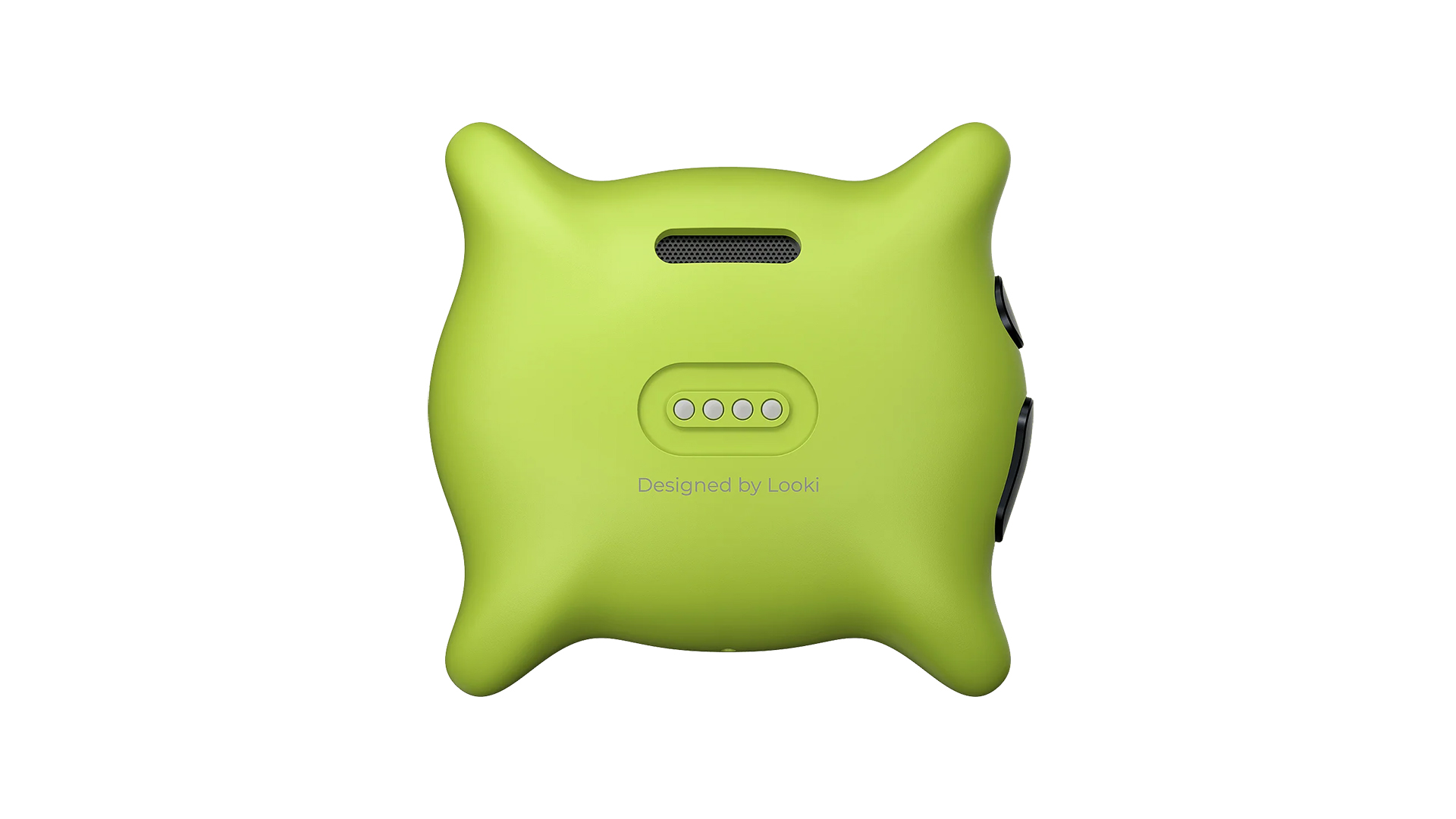
With up to 12 hours of battery life, 32GB of onboard storage and a lightweight design, it's meant to be worn all day comfortably.
Where the L1 tries to differentiate itself from past flops is in how it frames its utility.
In fast-paced environments like CES, Looki says the device will automatically capture interactions, booth visits, and conversations, then offer follow-ups and recaps without you having to think about it.
The etiquette problem no one solved
This ambition opens up interesting questions about real-world usefulness.
Expo Mode, with its promised meeting recaps and suggested follow-ups, sounds like the kind of feature that could genuinely help journalists, creators or event attendees keep track of chaos.
But it is also the kind of feature that raises obvious concerns about etiquette and consent: automatically capturing and summarising other people in your vicinity isn’t something everyone will be comfortable with.
Looki has also been specific about its privacy claims. All data is first processed and stored locally on the device for up to five days, with users deciding what gets uploaded.
“Sensitive scenes” are reportedly filtered before upload, and approved content is stored on AWS in the user’s region, giving a clearer framework than many earlier AI wearables that kept cloud processing opaque.
How precisely the L1 identifies what counts as sensitive, and what happens to associated metadata, are questions that will only be answered once independent reviewers get their hands on the hardware.
Cheap ambition, high expectations
The accessibility of the $199 (~£148 / €170 / AU$297) price tag is perhaps Looki’s sharpest competitive edge.
The L1’s more modest positioning could make it appealing to a broad swath of users, from travellers and creators to anyone interested in offloading the mental load of remembering everything.
Looki plans live demos at Pepcom and across CES, and while the core technology and scene-adaptive intelligence sound promising on paper, the real test will be whether proactive recording and automated memory capture feel genuinely helpful, or just another layer of digital noise.
Find out more about the L1 at Looki.ai.