Apple released iOS 26.2.1 today, but the big surprise is that two older iPhones also received an updated version of iOS. The company released an updated version of iOS 12, nearly eight years after it first debuted alongside the iPhone XS, XS Max and XR handsets.
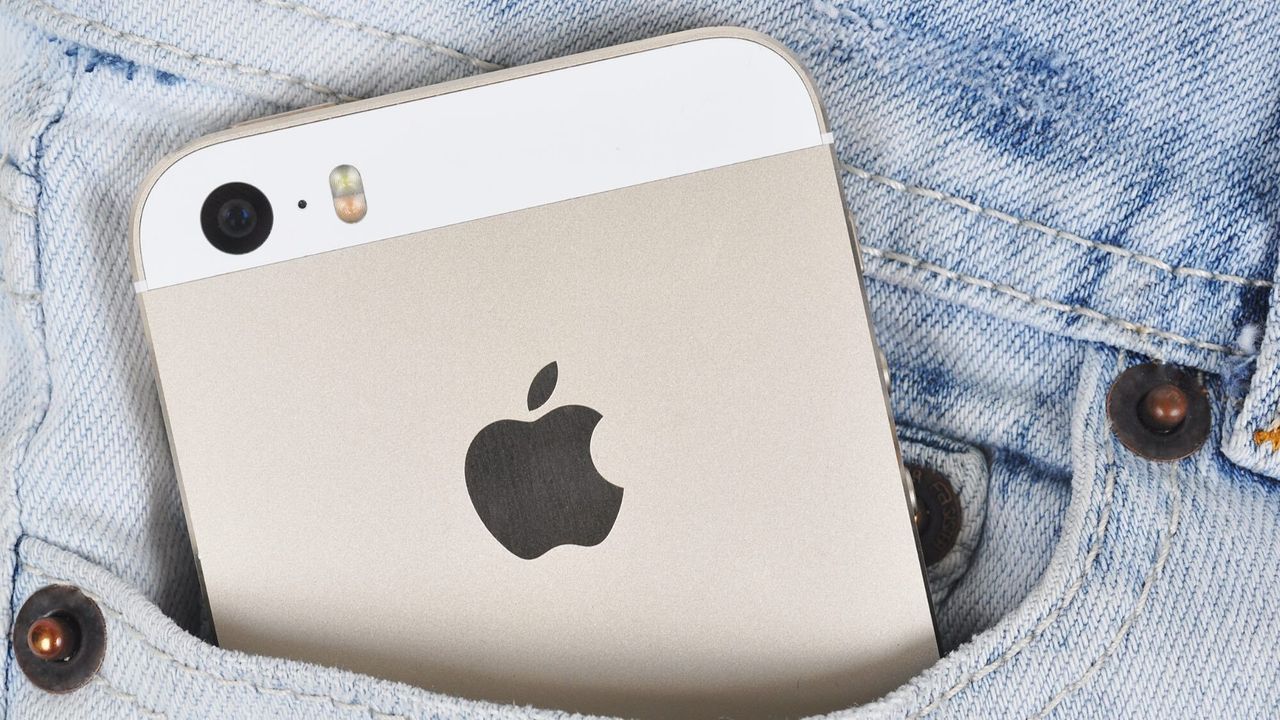
The new iOS 12.5.8 is available for both the iPhone 5s and iPhone 6, showing that Apple is supporting these devices for 13 and 12 years after they launched. The iPhone 5s debuted in September 2013, while the iPhone 6 released the following September in 2014.

If you're still rocking either older iPhone, the iOS 12 update extends certificates required to enable apps like iMessage, FaceTime. For now, this means the iPhone 5s will work until January 2027.
The update is also available for the original iPad Air, iPad mini 2, iPad Mini 3 and the 6th generation iPod touch.
It's a surprising and welcome update. Typically, certificate-limited functions cease when the certificate expires. Plus, Apple tends to stop supporting devices that are considered obsolete or vintage.

Apple put the iPhone 5s on its obsolete list in 2024.
The company has publicly promised to provide a minimum of five years of security updates for iPhones from their original launch date. However, Apple does offer vulnerability fixes for a few years longer.
The iPhone 5s was cutting edge when it was released being the first iPhone to introduce Touch ID fingerprint authentication. If you're still running an older Apple smartphone, we have five tips to protect your iPhone, which are worth following regardless of your device's age.
Phones are being supported for longer

I teased with the headline, because Samsung no longer supports the Galaxy S4 series or Galaxy S5 phones which debuted in 2013 and 2014, respectively. Apple hasn't been forthcoming about how long updates will come to its iPhones, though as we saw today, the company supports some phones well past their sell-by date.
That said, Samsung and Google have long been open about how long their smartphones will see updates and security patches. Until 2024, Samsung offered up to five years of patches from a phone's debut.
That all changed though with the launch of the Galaxy S24 series, when Samsung bumped that number to seven. Similarly, Google, which had only offered up to three years of updates prior to the release of the Pixel 8 family in 2021, expanded to seven years as well.

Follow Tom's Guide on Google News and add us as a preferred source to get our up-to-date news, analysis, and reviews in your feeds.