Get all your news in one place.
100’s of premium titles.
One app.
Start reading
Grocery Coupon Guide
Amanda Blankenship

Think Avocados Are Healthy? These 6 Drugs Can Turn Them Into a Risk

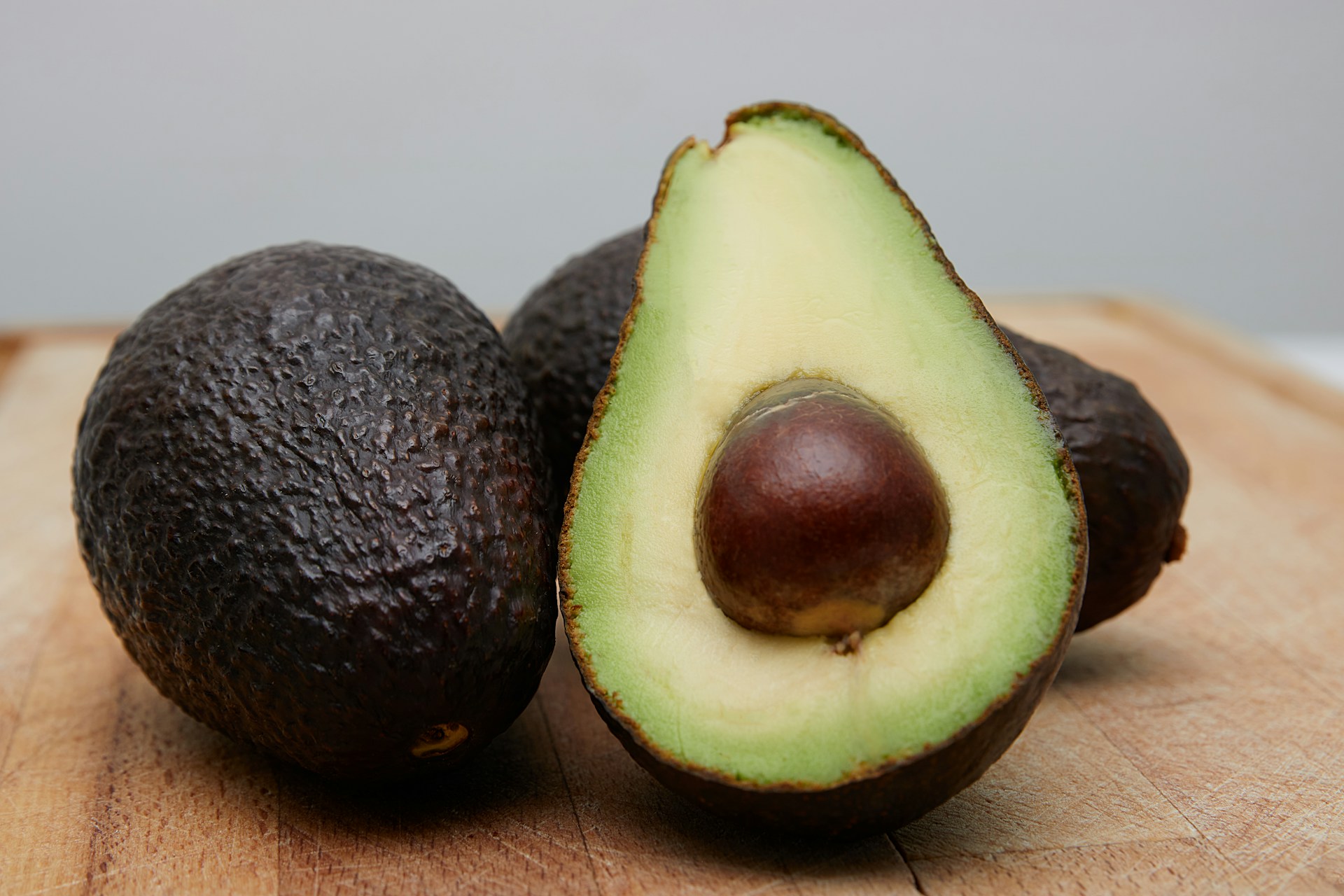
Image Source: Unsplash

You might think of avocados as a superfood (rich in healthy fats, fiber, and nutrients), but here’s the catch: the same fruit can trigger significant avocado interactions when paired with certain medications. Knowing these avocado interactions isn’t just academic. It could be vital for your safety and the effectiveness of your treatment. Doctors and pharmacists are warning that even something as seemingly benign as guacamole can interfere with how your medications work. This article walks through six medication categories where avocado interactions matter most, and what you can do about them. If you’re taking prescriptions, keep reading so you can continue enjoying avocados the safe way.

1. Blood Thinners (e.g., Warfarin)

One of the most documented avocado interactions involves the blood thinner Warfarin (Coumadin). Avocado contains vitamin K, which helps your blood clot; eating large or inconsistent amounts of avocado can reduce warfarin’s effectiveness and raise clotting risk. The guideline is to maintain consistent vitamin K intake, not necessarily to cut it out completely, but these avocado interactions show you can’t just throw in a big serving every now and then without monitoring. If you take warfarin, talk to your doctor about how much avocado is safe and get your clotting labs (INR) checked regularly. In short: with warfarin, your avocado intake matters.

2. Blood Pressure Medications That Raise Potassium (e.g., ACE Inhibitors/ARBs)

Believe it or not, another major area of avocado interactions involves high-potassium foods, and avocado is up there. If you’re on an ACE inhibitor (like Lisinopril) or an ARB (like Losartan), those medications can increase potassium retention in your body. That means eating potassium-rich foods, including avocados, can lead to hyperkalemia (too much potassium), which can cause muscle weakness or heart rhythm problems. To manage this interaction, it’s wise to monitor your potassium intake and talk to your provider about how much avocado is safe. Yes, the vitamin-rich fruit can still be part of your diet, but you’ll want to control how much and how often.

3. Monoamine Oxidase Inhibitors (MAOIs)

Here’s a less obvious but very serious example of the avocado interactions: if you’re taking an MAOI (medications like Tranylcypromine or Phenelzine), avocado may not be safe. Why? Avocados can contain tyramine, the same compound found in aged cheese or cured meats, which can cause a dangerous spike in blood pressure when you’re on an MAOI. One case study even documents a hypertensive crisis triggered by multiple avocados while on tranylcypromine. If you’re on an MAOI, it’s critical to ask your doctor or dietitian about how many avocados (if any) are safe, and always monitor your blood pressure. This is definitely one of the avocado interactions you don’t want to ignore.

4. Diabetes Medications (Insulin, Sulfonylureas)

Another dimension of avocado interactions emerges with blood-sugar-lowering drugs. Some research suggests that an avocado component (specifically avocado sugar extract) may interfere with how the body breaks down sugar, and that could affect how your diabetes medication works. While this isn’t as thoroughly documented as the other interactions, it underscores that even foods regarded as “healthy” can complicate drug action. If you’re on insulin or a sulfonylurea (e.g., glipizide), it might be worth checking in with your healthcare provider about your avocado intake. And track how your blood sugar responds when you eat avocados.

5. Drugs Metabolized by Cytochrome P450 Enzymes

The term avocado interactions extends into the biochemical realm, too. Some studies found that avocado-derived compounds may affect cytochrome P450 enzyme activity (the enzymes that help process many medications). That means drugs that rely on those enzymes could end up being metabolized more slowly or faster than expected when combined with avocados. If you’re on a medication processed by CYP3A4 (for example), it might be wise to check with your pharmacist whether your avocado consumption could affect your dose. This interaction is rarer and more technical, but still worth the awareness.

6. Medications Where Fat/Rich Meals Influence Absorption

Though this is a more indirect type of avocado interaction, it’s still relevant: avocados are high in healthy fats, which can slow digestion or change how medications are absorbed. Many medications recommend taking them on an empty stomach or with a low-fat meal because fat can increase or delay absorption. While the avocado itself isn’t always the culprit, eating a big avocado just before taking a medication that warns against high-fat meals could alter your drug’s effect. So if your prescription carries that “take on an empty stomach or with a low-fat meal” warning, treat your avocado slice as part of the meal and adjust timing accordingly. Being aware of the fat content and medication instructions helps avoid unintended avocado interactions.

Navigating Avocado Interactions Safely

Avocados are undeniably delicious and nutritious, but as we’ve seen, the term avocado interactions isn’t just a gimmick. They matter, especially when you’re taking medications that influence clotting, blood pressure, sugar, or drug metabolism. The key steps? Talk with your healthcare provider about your avocado intake, monitor your labs (potassium, INR, blood sugar, etc.), and don’t assume “healthy food” means interaction-free. You don’t necessarily have to give up avocado, but you do need to treat it like any other part of your drug-food conversation. Stay informed, stay safe, and enjoy your avo toast with confidence.

Have you ever been surprised by a food-medication interaction? Share your experience or questions about avocado interactions in the comments below!

What to Read Next

The post Think Avocados Are Healthy? These 6 Drugs Can Turn Them Into a Risk appeared first on Grocery Coupon Guide.

Sign up to read this article
Read news from 100’s of titles, curated specifically for you.
Already a member? Sign in here
Related Stories
Top stories on inkl right now
One subscription that gives you access to news from hundreds of sites
Already a member? Sign in here
Our Picks
Fourteen days free
Download the app
One app. One membership.
100+ trusted global sources.