
Get all your news in one place.
100’s of premium titles.
One app.
Start reading
Cycling News
Cycling News
Sport
Alasdair Fotheringham

Thierry Cazeneuve, longstanding director of Critérium du Dauphiné Libéré, dies at 74

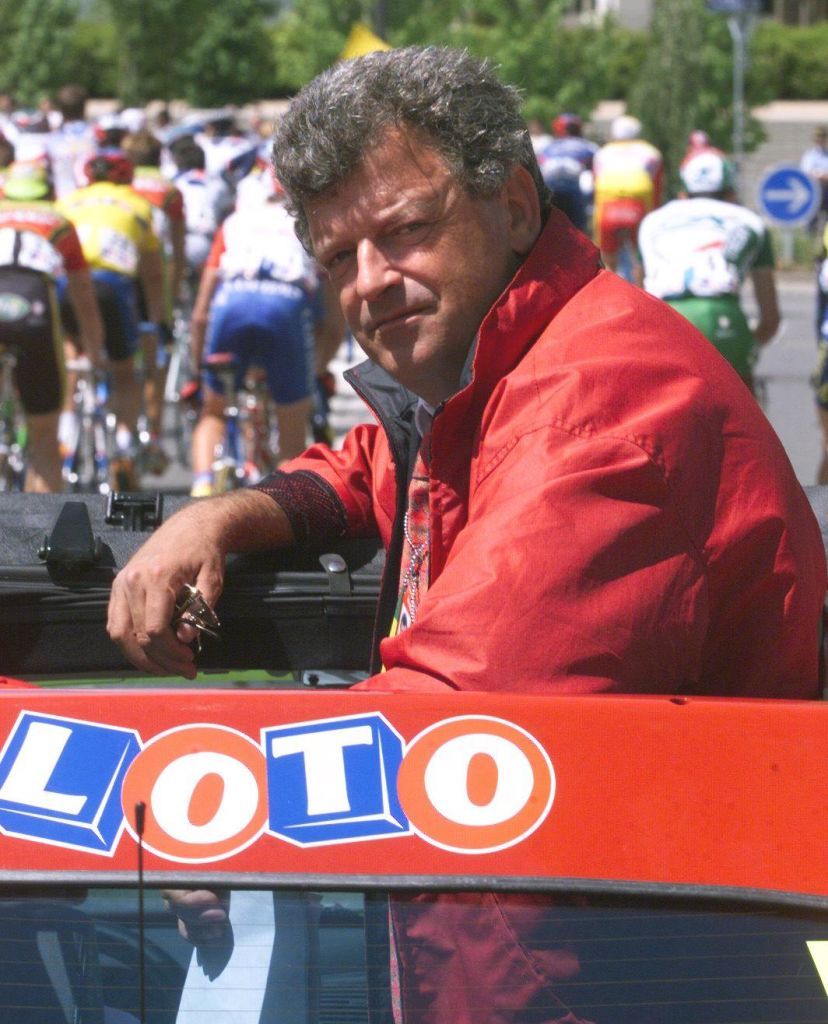
Thierry Cazeneuve.

France lost one of its top former race organisers this weekend when it was announced that Thierry Cazeneuve, the longstanding director of the Critérium du Dauphiné Libéré, died on Saturday.

Under Cazeneuve's 21-year directorship from 1988-2009, the race - first with a name shortened to the Critérium du Dauphiné since 2010 and now renamed the Tour du Auvergne-Rhône-Alpes - consolidated its position as a key build-up event for the Tour de France.

For many years, Cazeneuve was also the president of the Ligue Professionnelle du Cyclisme Français (LCPF), which oversees the professional side of the sport in the country, as well as being a reputed cycling journalist in his own right.

But he'll mostly be remembered for his work as director of the Dauphiné - as the race was widely known - during a time when it went through economic difficulties but also enjoyed some notable highpoints with wins for riders as great as five-times Tour winner Miguel Indurain (twice), Colombia's first Grand Tour winner Lucho Herrera, Charly Mottet, and Philippa York.

Born on September 10, 1951, Cazeneuve joined the Dauphiné Libéré, the regional newspaper founded by his uncle Georges - a former member of the French Resistance during World War II - as a reporter in 1973 and he rapidly moved into its sports section.

The newspaper had created the race of the same name in 1947, and long after the spell Cazeneuve had spent as a teenager handing out paper race publicity hats in 1970 on the roadside, Cazeneuve became its director in 1988.

He then became head of the Critérium du Dauphiné Libéré in 1988, the same year Lucho Herrera added another major notch to his progress toward becoming a breakthrough Colombian star with a victory in the race, and stayed there until the race was taken over by ASO, the Tour organisers, in 2009. During that time, he also served as head of the LCPF from 2003 to 2007.

As reported by L'Équipe - a newspaper with which he had strong links throughout his life - Cazeneuve also succeeded renowned French cycling journalist Pierre Chany as editor of the Fabulous History of the Tour de France, a 1000-page work of reference. He also organised the prize that bears Chany's name, which is awarded to the best cycling article (in French) each year.

A friendly, helpful individual to anybody - like this reporter - who came looking through the archives of Le Dauphiné Libéré on book research projects - while the Pierre Chany prize celebrates cycling journalism, Cazeneuve also would insist that media prioritise reporting on what they were seeing, rather than highlighting their own place in the narrative.

"Journalists make the mistake of dreaming up scenarios, because they get bored when things don't go as they would have liked," he told L'Équipe in 2016, a comment the newspaper included in its report of Cazeneuve's death on Sunday.

"They forget that the stage of the Tour de France doesn't belong to them."

Sign up to read this article
Read news from 100’s of titles, curated specifically for you.
Already a member? Sign in here
Related Stories
Top stories on inkl right now
One subscription that gives you access to news from hundreds of sites
Already a member? Sign in here
Our Picks
Fourteen days free
Download the app
One app. One membership.
100+ trusted global sources.


