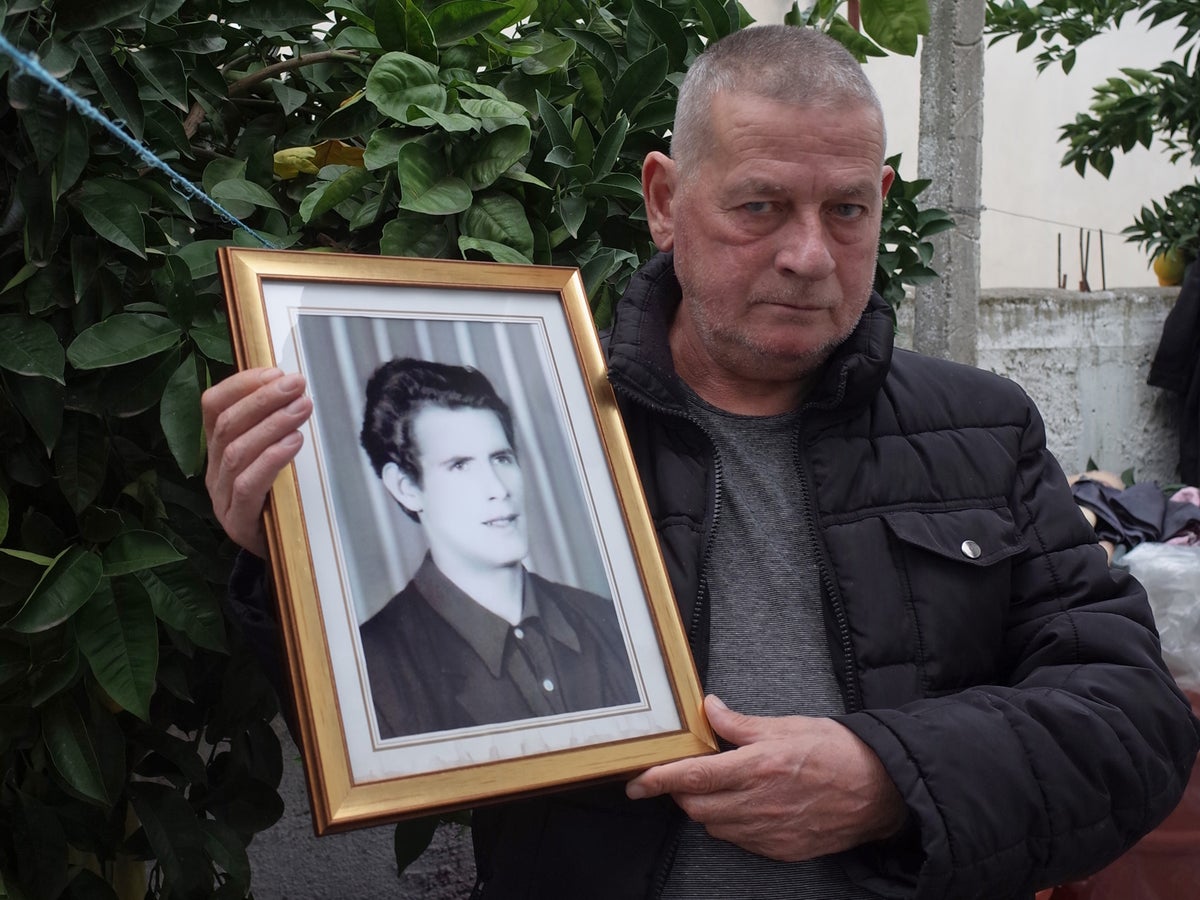
When he was young, Taip Hoxha lived in the hills of the Laberia region of southwestern Albania, in a village home to around 100 families. In Laberia, it was traditional that when someone died, the whole village would help to bury them. When his grandmother, Elena, died in 1980, her funeral had four people in attendance: Taip, his mother, and his siblings. Every family in the village – amounting to nearly 500 people – chose to stay away.
That Elena’s funeral was so poorly attended was no fault of her own: what made the occasion so unappealing to her neighbours was that her son had been an opponent of the country’s communist regime. Taip’s father’s crime was fleeing Albania in 1945, near the outset of communist rule. He returned a few years later, only to be caught by the secret police, the Sigurimi.