
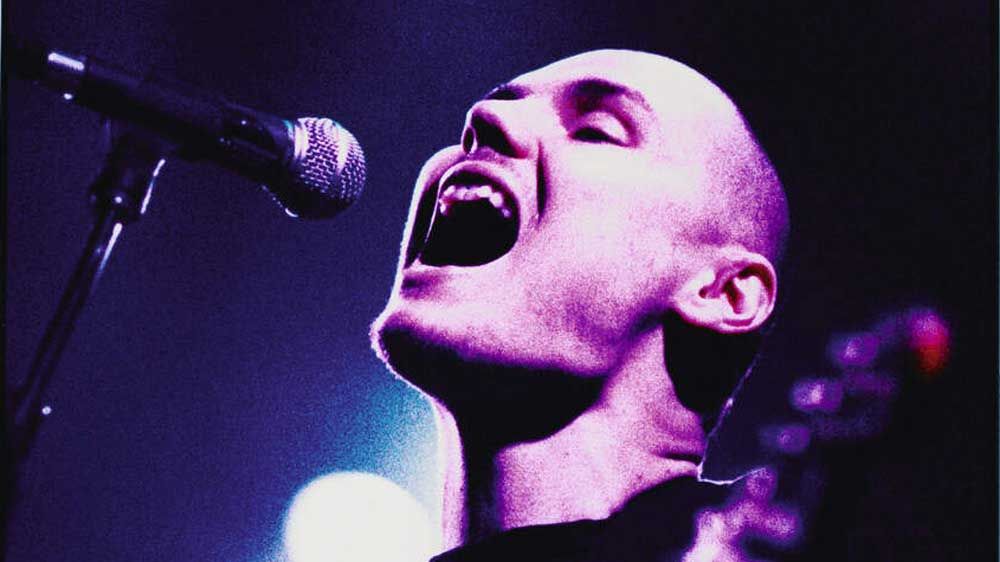
“We were the first band of our generation that started to grow up,” Billy Corgan says, reflecting on the making of The Smashing Pumpkins’ 1995 double album Mellon Collie And The Infinite Sadness. “The band was coming off a golden moment, which was the grunge explosion. But all movements start to run out of gas, and then the gatekeepers come in and start trying to say what it really means – when they had nothing to do with authoring it. In our case we made the move to grow up before anybody else. And then we were sort of singled out for criticism as far as other people were concerned, either because the party needed to continue, or growing up was some sort of sellout or something.”
Indeed, the previous two years had been a heady time for the Pumpkins. Their 1993 album Siamese Dream gave them a steady stream of radio and MTV smash hits that drove sales past the four million mark. The band – which in addition to frontman Corgan, guitarist James Iha and drummer Jimmy Chamberlin also included original bassist D’arcy Wretzky – spent much of that year and the next on a relentless touring cycle (they headlined 1994’s Lollapalooza festival), and by the time live commitments wound down, Corgan – championed by some as one of the era’s most creative and vital music makers, but lambasted by others as nothing more than headline-seeking megalomaniac – found himself at a personal and creative crossroads.















