
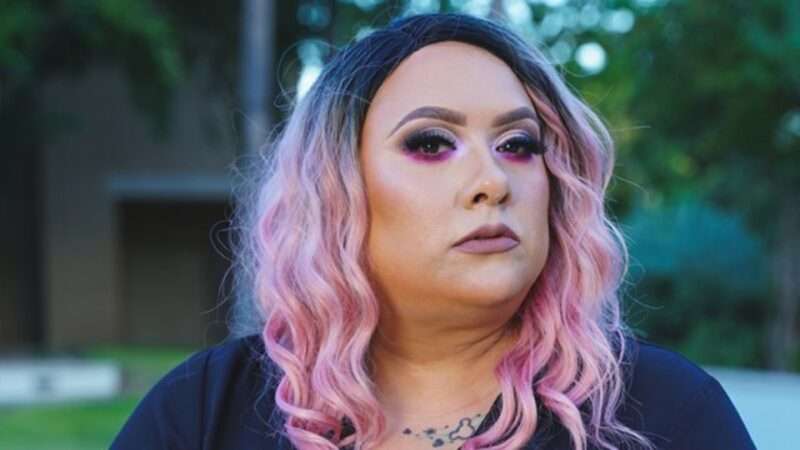
Sylvia Gonzalez, a former Castle Hills, Texas, city council member, plausibly alleges that she was arrested on a trumped-up charge in retaliation for conduct protected by the First Amendment. So does Priscilla Villarreal, an independent journalist in Laredo, Texas. But in backing up that claim, Gonzalez, whose case will soon be decided by the Supreme Court, faces a problem that Villarreal does not: It is hard to say how often people engage in the conduct that police cited to justify her arrest, which involved putting a petition in her personal folder during a city council meeting. Villarreal, by contrast, was arrested for asking questions, something that journalists across the country do every day.
Last January, the U.S. Court of Appeals for the 5th Circuit nevertheless ruled, in an opinion by Judge Edith Jones that provoked four sharp dissents authored or joined by seven of her colleagues, that Villarreal's arrest was not "obviously unconstitutional." Thirteen briefs supporting Villarreal's petition for Supreme Court review—submitted by an ideologically diverse mix of groups and individuals, including organizations ranging from the Manhattan Institute to the Constitutional Accountability Center—underline the chilling implications of that astonishing conclusion.














