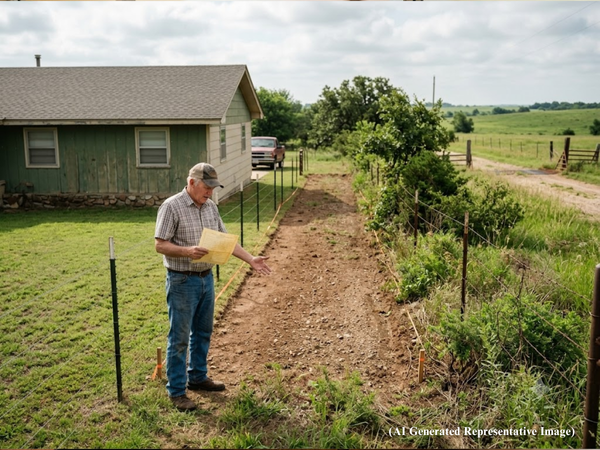

You can be a careful, kind, bird-loving gardener and still accidentally grow something that causes real trouble. Some plants are restricted because they’re invasive, some are prohibited because they’re toxic, and others are regulated because they spread crop diseases or create wildfire risk. The frustrating part is that the plant can be sold online, gifted by a neighbor, or sitting in a “free” pile at the curb—so it feels harmless. Then a letter shows up, or a neighbor complains, or a city inspector notices it during a property check. Let’s walk through the most common ways plants can get you fined, and the low-cost steps that keep your garden fun instead of stressful.
1. Start With The Rule Nobody Thinks About: Local Bans Beat Everything
Plant rules aren’t universal, and that’s exactly why people get surprised. A plant can be totally legal one county over and restricted where you live, especially near waterways, parks, or protected habitat. Cities and HOAs can add extra rules on top of state laws, and those are often the ones that get enforced first. If you want to avoid plants that could get you fined, treat “locally prohibited” as the only label that matters. A quick search of your county invasive list and municipal code can save you a lot of hassle.
2. Invasive Plants Are The Most Common Way To Get You Fined
Invasive plants spread fast, crowd out native species, and can trigger expensive removal orders. They don’t always look scary, either—many are pretty ground covers, flowering vines, or “easy” shrubs people love. The problem is how they behave once they escape a yard and take off in wild areas, drainage ditches, or along creeks. If your area has an invasive ordinance, those “easy plants” can get you fined even if you didn’t mean any harm. The cheapest prevention is to stick with region-recommended natives or well-behaved noninvasive species from a reputable local nursery.
3. Some Plants Are Restricted Because They Spread Pests Or Diseases
A plant doesn’t have to be invasive to be regulated. Certain species and even certain citrus, stone fruit, or grape plants can be restricted due to pest quarantines and plant disease concerns. That’s why buying plants from random online sellers can be risky, even if the listing looks legitimate. If agriculture officials find a quarantine host plant in the wrong place, it can get you fined and removed. To stay safe, buy from local sources that follow your region’s plant rules and provide proper labeling. It’s also smart to keep receipts and tags so you can show you bought responsibly.
4. “Noxious Weed” Laws Can Apply Even If You Love The Plant
This one trips people up because the word “weed” sounds subjective. A noxious weed list is an official legal list, and it can include plants that look ornamental or that were once common in cottage gardens. If a plant is listed as noxious where you live, letting it grow or go to seed can get you fined, especially if it spreads beyond your property line. The best frugal move is to learn what’s on your local list and avoid “free plants” unless you can identify them with confidence. If you already have a listed plant, remove it before it seeds and bag the material so it doesn’t spread.
5. Trees And Shrubs Can Trigger Trouble When They Break Setback Rules
Sometimes the issue isn’t the plant—it’s where you put it. Many cities have setback requirements near sidewalks, utility easements, drainage lines, and property boundaries. A shrub that blocks a sightline or a tree planted under power lines can become an enforcement issue fast. If it causes damage to a sidewalk or interferes with utilities, the costs can stack up and yes, you can get you fined. Before planting, call 811 for utility marking and check your city’s planting strip guidance if you have a street-side yard. The fix is often choosing a smaller mature size and planting a few feet smarter.
6. Fire-Prone Areas Often Regulate “Ladder Fuels” And Dense Hedges
If you live in a fire-prone region, landscaping rules can be strict, especially around defensible space zones. Dense, resinous shrubs, thick ground covers, and tightly packed hedges can be considered higher risk, even if they’re popular. Some areas require trimming, spacing, or removal to reduce fire spread, and enforcement can come with penalties. That’s another way plants can get you fined without you realizing you’re breaking a rule. A budget-friendly approach is spacing plants more generously, keeping everything pruned, and using gravel or low-fuel ground covers close to structures.
7. Don’t Trust “It’s Sold In Stores” As Proof It’s Allowed
This is the trap that frustrates the most gardeners. Stores can carry plants that are legal statewide but restricted locally, and online sellers can ship items that shouldn’t be shipped to your area at all. “Everyone grows it” also isn’t proof, because enforcement often starts after a complaint, a wildfire season crackdown, or a new invasive update. If you want to avoid plants that could get you fined, verify first and plant second. When in doubt, take a clear photo, ask your local extension office, or use a trusted invasive ID resource before you put it in the ground.
The Safer, Cheaper Way To Plant Without Fear
The easiest way to stay out of trouble is to build your garden around plants that are recommended for your specific region. Focus on well-behaved natives, sterile cultivars when appropriate, and species with strong local track records. Keep plant tags, save receipts, and avoid mystery freebies unless you can ID them confidently. Most importantly, treat local lists and codes as your guardrails, because that’s what enforcement follows. When you plant with those rules in mind, you get the fun parts of gardening without any financial stress.
What plant did you discover was restricted or frowned on where you live, and what did you replace it with?
What to Read Next…
6 Outdoor Mistakes That Could Trigger a Property Fine
5 Plants That Could Be Illegal to Grow in Your Backyard This Spring—Check Your State List
Vets Warn: This Common Yard Plant Is Sending Pets to Emergency Clinics
NC State Agriculture Officials Issue New Alert About an Invasive Pest Moving Into Backyards
This Winter Gardening Habit Is Spreading Mold and Root Rot, Experts Warn
The post These Plants Could Get You Fined — Most Gardeners Have No Idea appeared first on Frugal Gardening.