If you're a drone photographer, pigeons might be about to become your new favorite bird. According to researchers in Canada, studying the subtle eye movements that these avians make while flying could lead to significant improvements in machine vision systems, helping future drones navigate the world more like birds do.
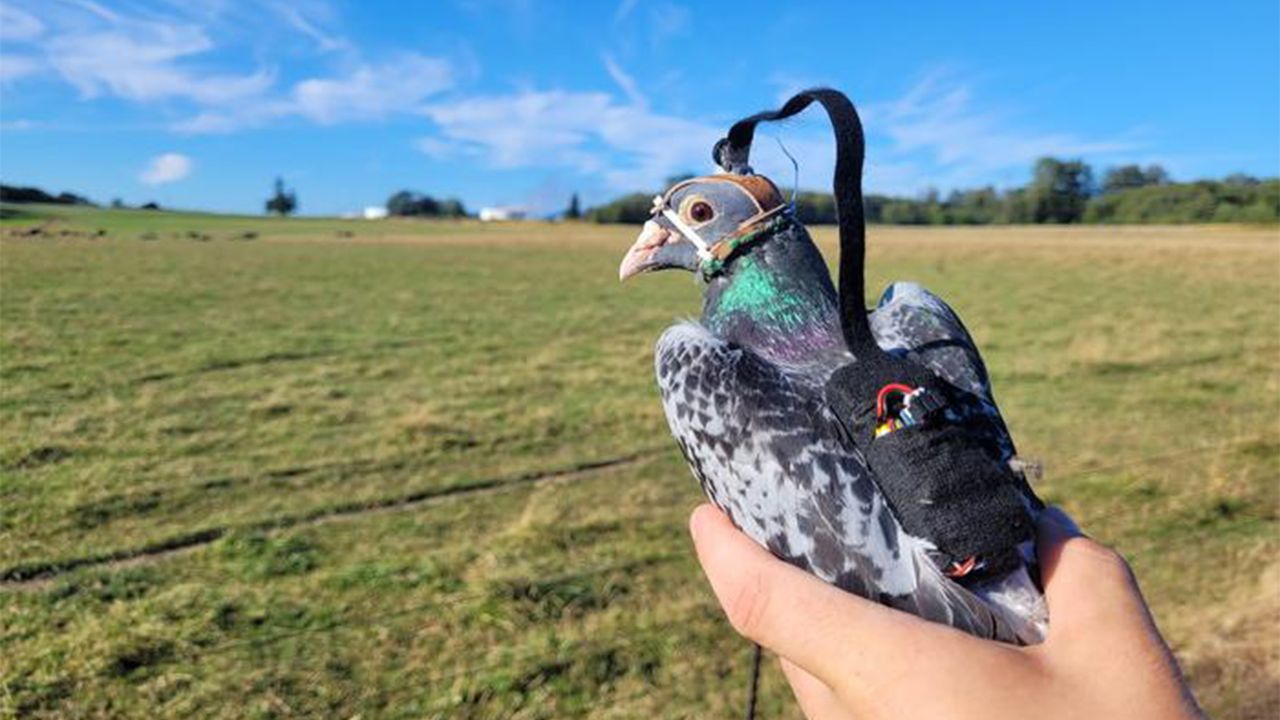
Led by Dr Anthony Lapsansky, biologists at the University of British Columbia (UBC) equipped pairs of pigeons with tiny backpacks containing miniature computers and mounted lightweight cameras on their heads before allowing the birds to fly.
"Pigeons make a good model for research because they're representative of many birds – their eyes are located on the sides of their head, giving them an almost panoramic view of the world," said Dr Lapsansky.
Pigeon photographers!
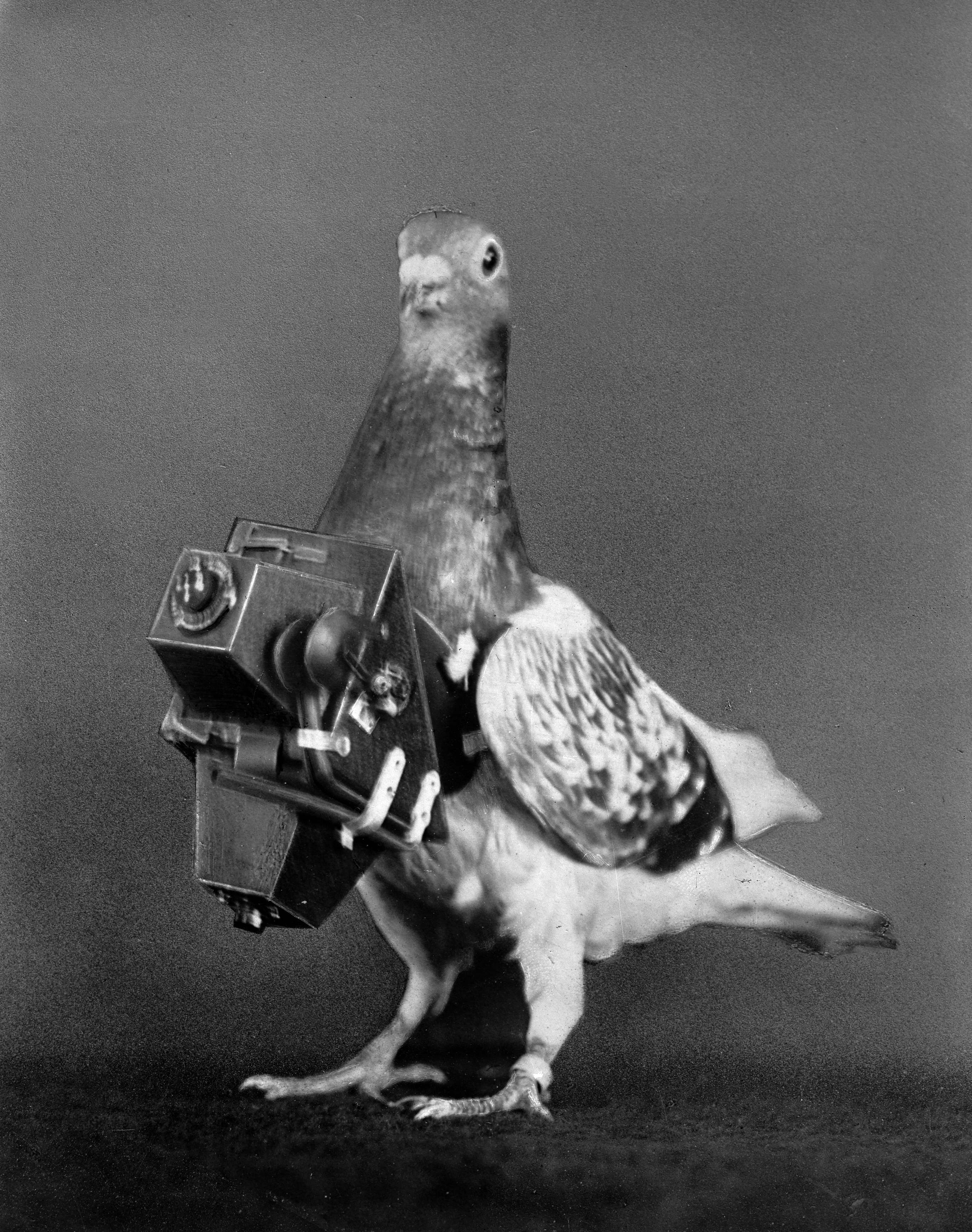
The idea of putting a camera on a pigeon is nothing new. The German military mounted miniature cameras to carrier pigeons during the First World War to perform aerial reconnaissance. The practice was pioneered by German apothecarist, Julius Neubronner, who also used the birds to delivery medication. While pigeon photographers had been phased out by the Second World War, the concept of mounting "critter cams" to wildlife continues as a niche practice to this day.
The head-mounted cameras revealed that, contrary to the long-held assumption that pigeons rely solely on head movements to stabilize their vision, the birds also make subtle eye movements during flight.
These movements appear to compensate for visual motion, helping pigeons resolve finer details and navigate more effectively through complex environments.
The findings could have important implications for drone technology. While modern camera drones can already estimate speed, direction and distance from surrounding objects, today's machine vision systems remain relatively rigid compared to the adaptability of birds.
According to Dr Lapsansky, birds achieve all of these tasks while also actively moving their "cameras" – their eyes – to gather even more visual information about their surroundings.
By understanding the strategies that birds use to process visual information, the UBC team hopes to uncover common principles shared by both avian and human vision that could be applied to robotics and drone vision.
"We could potentially use these strategies to make autonomous flying robots or drones more animal-like: more skilled at navigating complex environments and closer to truly autonomous flight," said Dr Lapsansky.
If successful, the research could help pave the way for future drone camera systems that don't simply record the world, but which interpret it with the efficiency and agility of birds in flight.
You might also like…
Discover our expert pick of the best camera drones for aerial photography and video.