CES 2026 is in full swing with no shortage of shiny, new wearable tech gadgets to drool over. From the latest in smartwatches, smart glasses, and smart rings, to affordable-ish electric-powered exoskeletons, here’s what’s impressed me most so far.
Of course, this list is subject to additional entries as I continue my coverage of CES 2026 with an eye on health and fitness tech. For now, here’s what I'm hyped on.

1. Amazfit Active Max smartwatch

The Amazfit Active Max is a $169 smartwatch for Android and iPhone owners that punches well above its price when it comes to fitness tech and navigational tools.
A 1.5-inch AMOLED screen with 3,000 nits of max brightness (the same as the Apple Watch Ultra 3) is just one of its selling points. The Max also supports over 170 workout tracking modes, offers up to 25 days of battery life, and provides plenty of onboard storage for offline navigational maps, music, and podcasts.
The lightweight aluminum alloy case is a manageable 48.5mm in diameter and seriously comfortable on the wrist. In fact, I think it wears more like a 47mm watch than a 48.5mm.
2. Luna Band screen-less fitness tracker

The Luna Band is a $149, subscription-free alternative to the latest Whoop wearable. The lightweight and easy-wearing fitness tracker has no screen; instead, you view all its insights from the companion app.
Like other fitness tracking wrist-based wearables, the Luna Band keeps tabs on all the basics, from sleep and heart health to body temperature and respiratory rate.
What sets the Luna Band apart from other options out there is that it supports voice commands. For example, you can log meals or stress by simply speaking to the band.
On the flip side, the Luna Band can provide audio wellness guidance backed by Luna's AI health engine, via Bluetooth-paired earbuds or headphones based on user data and inquiries.
Stay tuned for a full review of the Luna Band wellness tracker.
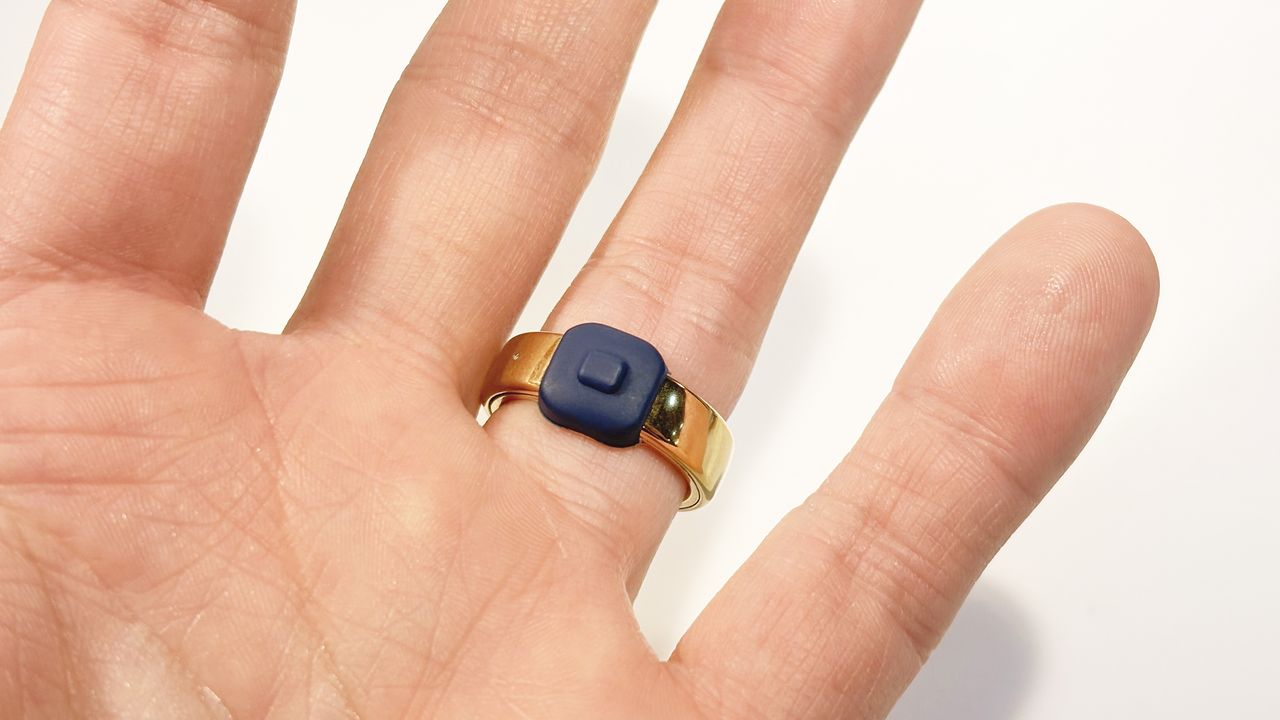
3. Even Realities R1 smart ring

The Even Realities R1 smart ring is a companion accessory to the brand's latest G2 smart glasses. In addition to providing all of the holistic tracking essentials you've come to expect from the best smart rings, including sleep insights, HRV, SpO2, body temperatute and calorie tracking, it has a few extra tricks up its sleeve.
A small touch-sensitive area of the ring adds additional functionality via taps and swipes, allowing you to browse and control your G2 smart glasses in a discreet fashion.
Similar to the Oura Ring 4, the new Even R1 smart ring also offers a daily productivity score that's dynamically updated to help you monitor your overall readiness. It's also completely subscription-free and priced at a reasonable $249 with sizes six through 15 available.
4. Ascentiz H1 Pro exoskeleton

When I tested out the new Ascentiz H1 Pro electric-powered exoskeleton during my first night in Vegas, I was blown away. Prior to the Ascentiz, I was convinced that consumer-grade exoskeletons were all fairly bulky and time-consuming to put on.
This isn't the case for the Ascentiz H1 Pro, which took less than a minute to affix to my body. It's not as powerful as options from Skip/Arc'teryx ot Hypershell, but it is cheaper, lighter, and less intimidating.
Easily the lightest exoskeleton I've tested, I was running around the casino ballroom like a carefree kid with an endless pass for ice cream cones. This is to say, it's a lot of fun, and the added leg power is immediately noticeable.
5. Noax Link EEG brain monitor earbuds

The Naox Link EEG brain monitor is a doctor-prescribed EEG monitor that has the potential to revolutionize the act of brain activity scanning. Most EEG scans take place in a formal medical setting; however, the best EEG data tends to come while a patient is sound (and comfortably) asleep, something that isn't always natural outside of the bedroom.
The Naox Link is a take-home device with two small earbuds connected to a lightweight module that clips to your shirt. Unlike traditional EEG methods, which require loads of electrodes connected to a cap that's far from comfortable, the Naox Link is comfy, simple, and requires no additional tech to monitor results. Basically, it's all about simplifying the brain scanning process by bringing it directly to a user's home.

Follow Tom's Guide on Google News and add us as a preferred source to get our up-to-date news, analysis, and reviews in your feeds.