

Android Central Labs is a weekly column devoted to deep dives, experiments, and a focused look into the tech you use. It covers phones, tablets, and everything in between.

As Honor has evolved over the years from a value brand to a premium one, its phone designs and specs have followed suit. We've seen the brand push out foldables that rival Samsung's best, the strongest ingress protection next to OnePlus, cameras that would make an iPhone blush, and OLED displays that eclipse the best from every brand.

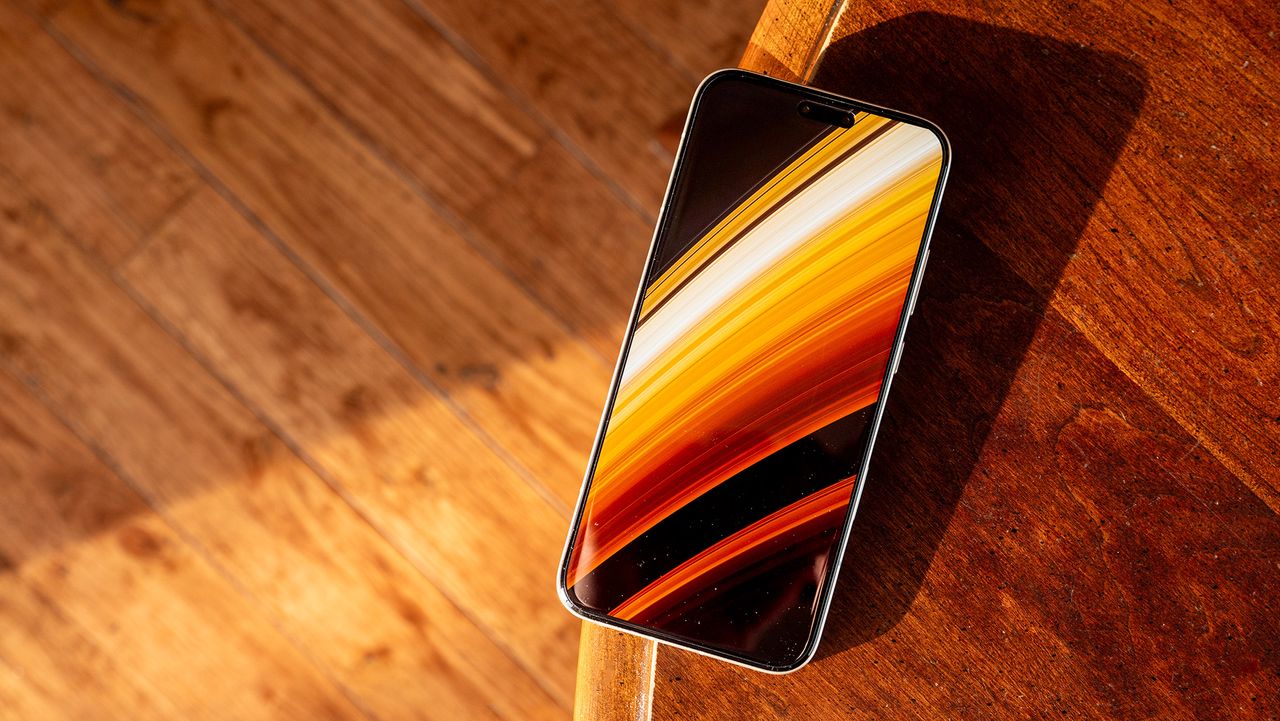
That pedigree continues with a new level of excellence on the Honor Magic 8 Pro, a new flagship that launches globally on January 8, 2026, and brings along an OLED panel with a bevy of accessibility features, custom user-level calibration, the best eye care solutions we've yet seen, and a brightness level that'll blow you away.
While the OnePlus 15's display impressed us with its ultrafast refresh rate, Honor is focusing more on brightness and accessibility solutions for the Magic 8 Pro's display, and it comes out on top for most people because of it.
Comfort and brightness
When I first learned I was sensitive to PWM dimming in spring 2023, phones from brands like Honor, OnePlus, and Motorola were the first to offer alternatives that worked. Since then, Honor has doubled down on the eye-friendly nature of its displays, adopting better dimming methods as the default, faster PWM dimming than most other manufacturers, tons of bespoke eyecare solutions, and more.
Because of this focus, the Magic 8 Pro is the new gold standard for overall flagship display quality and comfort. It's funny to have a new winner so closely after the OnePlus 15, but this is how the smartphone industry works sometimes.
That all starts with a combination of class-leading peak brightness and a bevy of eyecare solutions that genuinely help people who need them. Out of the box, the Magic 8 Pro uses a comfortable single-pulse DC dimming method from 21-100% brightness. A user-selectable option for Honor's alternative "comfort" triple-pulse method is found under the Honor Eye Care Display section in settings.

Despite the names, I find the "classic" mode to be far more comfortable than the "comfort" dimming option. Modulation is impressively low overall, and high-frequency PWM dimming at 20% brightness and below ensures substantial comfort even for sensitive users.
On top of being comfortable, this panel is the brightest I've measured on any smartphone to date by around 10%. Not only that, but I've found that the HDR contrast on this display looks noticeably better than phones like the Pixel 10 Pro XL when viewed under sunlight.


The Magic 8 Pro doesn't feature the same anti-glare layer that the Samsung Galaxy S25 Ultra does. That means reflections in sunlight will lower the contrast ratio of the overall image, but Honor's display does an excellent job of making up for that.
At around 3,600 nits of actual, measured HDR brightness, this display pumps out the nits needed to be visible outside and still provides a contrast ratio that looks OLED good. To put that in perspective, the Galaxy S25 Ultra hits 2,600 nits of peak brightness, while the Pixel 10 Pro XL tops out around 3,300 nits.
To make those numbers even more impressive, Honor doesn't use nasty PWM dimming at high brightness, so your display isn't strobing your brain with these high brightness values, unlike Samsung and Google. That shows companies can make bright displays that are still comfortable to use.
Accessibility

The Honor Magic 10 Pro debuts Honor's "Custom Display" calibration options, including automatic contrast, brightness, and color adjustments to best fit you as an individual. Custom Display breaks this into two tests to tailor the display to your needs.
Unsurprisingly, my test yielded the "high sensitivity" result, which keeps the brightness a bit dimmer than the default curve and also adjusts contrast to better fit sensitive eyes. A new, scalable Extra Dim option, found under accessibility settings, can further reduce brightness without greatly affecting modulation.
The Magic 8 Pro's display also supports the company's unique accessibility settings like Defocus Eyecare, plus additional accessibility options for hardware-level blue light blocking, a circadian rhythm mode that adjusts the display temperature throughout the day, ambient light temperature adjustment, a motion sickness mode, and a circularly polarized light filter built in for comfort.

This one's a true 10-bit display that doesn't use color dithering in the default vibrant color mode. Temporal dithering is yet another ridiculous way manufacturers have found to simulate better image quality at the expense of sensitive users.
Honor isn't pushing any boundaries with the 120Hz refresh rate, but it's an LTPO panel, which means it can drop as low as 1Hz when needed. That's great for people who love to use the always-on display, especially since Honor provides a true always-on display that won't turn off if you don't want it to.
Additionally, I've found that the Magic 8 Pro's display resolution does a great job of selecting high resolution (2808 x 1256) when necessary. That makes games look nice and crisp, something that's important if you like distance sniping in games like Fortnite.
The launch of a brand new tool

Honor's new flicker-detection tool built into the phone speaks directly to me and anyone else concerned about flickering lights in their life. Found under the Honor Eye Comfort Display settings section, the new flicker-detection tool can be used to do exactly what it sounds like.
Results are displayed in a standardized IEEE 1789-2015 graph, including an easy-to-understand result that doesn't require you to know anything about the lighting industry's flicker standards. You'll get a quick good/moderate/bad result with enough data to help you make positive changes, if need be.
The inclusion of this tool is a testament to how seriously Honor is taking the serious problem of flickering lights, and it means that all users of this phone can swap out the nasty flickering lights that cause some people debilitating pain. This tool only works on lights right now, though, and doesn't seem to work on displays, so there's room for future improvement, too.
Verdict

The Honor Magic 8 Pro is the flagship phone that feels like it finally doesn't compromise on anything, including a class-leading display. From impressively accurate color reproduction and brightness, to accessibility options that ensure even sensitive users don't get left behind, this is a phone that aims to be the best for everyone who wants one.
It's even more impressive that Honor launched the industry's first built-in flicker detection tool with this phone, completing the circle of catering to individuals who are sensitive to the overly bright, flickering displays and LED lights that are increasingly more common in our lives. It's a huge deal that a company like Honor is recognizing these problems and developing solutions to them, and it makes recommending the Honor Magic 8 Pro incredibly easy.