
Get all your news in one place.
100’s of premium titles.
One app.
Start reading
Livingetc
Livingetc
Olivia Wolfe

"There's a Collective Fatigue With Overstimulation" — How 'Listening Rooms' Became a Sign of 2026's Biggest Trends, and How to Design Yourself a Good One

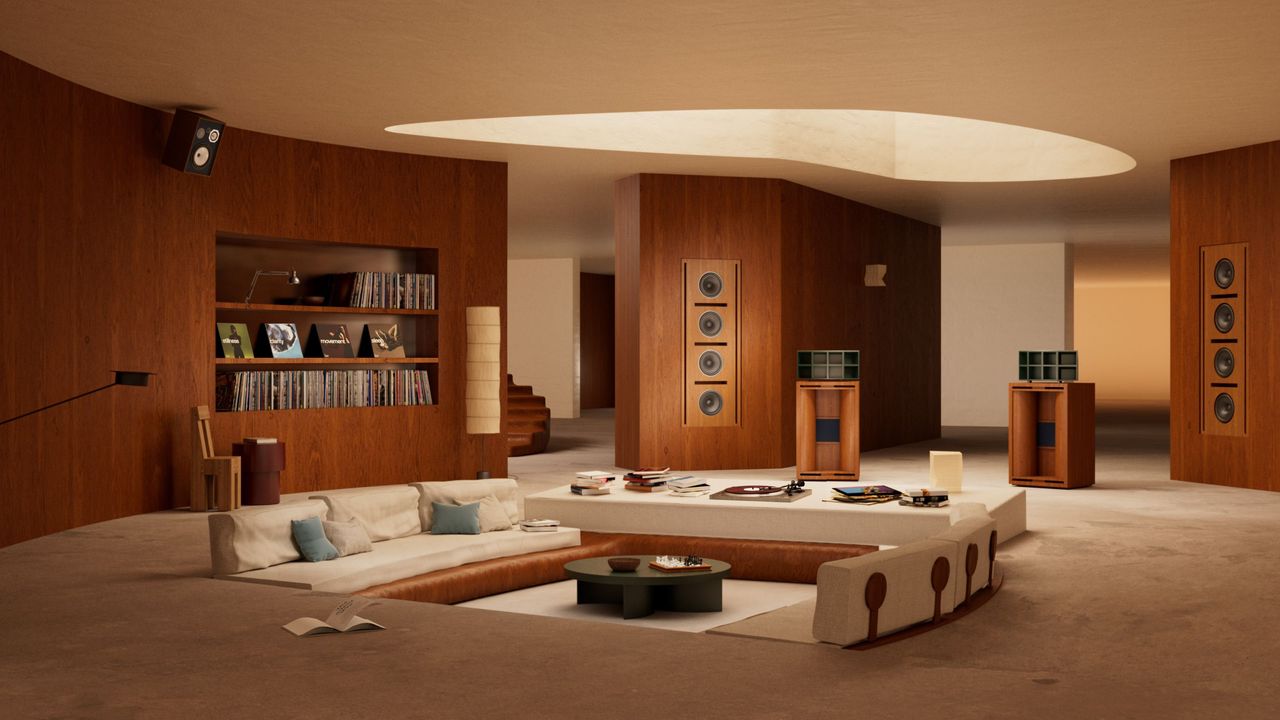
Image of a large, spacious room that is covered in carpet and has a conversation pit in the center. There are low white sofas and a white bar with a record player sound system.

Moments in our lives are defined by certain songs: songs that got us through breakups, grief, the soundtrack to road trips, or even the songs we play to focus. However, at home, music can quickly become background noise, something to fill a void rather than something intentionally experienced. But in our hyper-digital, hyper-tuned-in world, it's never been more important to purposefully curate spaces that let us unplug and unwind in our interiors — spaces like listening rooms.

A listening room's purpose is to give sound the same spatial care we usually reserve for light, material, or aesthetics more broadly. "It gives the home a new rhythm, a pause within the flow and daily movement of domestic life," says London-based interior designer Charlotte Taylor, who has designed multiple listening rooms. The act of listening encourages stillness, duration, and presence. "By dedicating space to listening, you are also dedicating time, and that shifts how a home is used," Charlotte explains. "It places emphasis on awareness rather than carrying the hectic pace of life indoors, prioritizing intention over efficiency."

In a world of constant distraction and relentless pace, carving out a room devoted to listening, whether that's making a feature of your vinyl storage or positioning your record player in the center of the space, feels important; it's a conscious move towards prioritizing slowing down and being more present, and couldn't we all do with a bit more of that?

The Rise of Listening Rooms

"We wanted an inviting place where they could kick off their shoes, put on a vintage record, and be free," says interior designer Blair Moore of Moore House Design. (Image credit: Moore House Designs)

It can seem like a rather big ask to dedicate an entire room of your home to the sole purpose of listening to music, but the idea is more about making your home more 'analogue'. A listening room is a space designed for pause. It’s somewhere to sit, to be still, to let sound wash over you without distraction.

"I think there's a collective fatigue with overstimulation," Charlotte Taylor tells me. With technology growing rapidly, more and more people are seeking spaces that support connection, creativity, and joy in their interiors. 2026 is shaping up to be the year of analogue rituals. Think reading nooks, digital detox corners, and hobby rooms.

"So, a room that celebrates putting on a record, flipping through books, or dancing without distractions is on the rise," adds interior designer Blair Moore, founder of Moore House Design. "These moments feel human, nostalgic, and restorative."

While a listening room has a specific purpose, it should still cater to your personal design tastes and fit seamlessly into the home. (Image credit: JVDK Studios. Design: Fabrikate)

"It signals that the home was designed for living thoughtfully, not just efficiently," adds interior designers Joelle Kutner and Jesse Rudolph, the co-founders behind Ome Dezin. When conceptualizing a listening room, ask yourself: how do you want to live in the space? Listening rooms provide a moment to drown out the noise of daily life and focus on something for pure entertainment, whether alone or with company.

It's a choice to indulge your senses; a form of home wellness. Plus, a listening room makes the home feel more personal and considered, "shaped around how someone wants to spend their time rather than solely by what a floor plan dictates," says Joelle.

How to Design a Listening Room

This listening room embraces the vintage aesthetics often associated with the era of vinyl music, making it an even more immersive experience. (Image credit: Austin Leis. Design: Ome Dezin)

At its core, the design of a listening room should always be about creating an atmosphere. Elements such as lighting, acoustics, comfort, and the feeling of being 'held' by a room are essential in creating that moment of pause.

It's often easiest to begin by imagining a layout around your intended experience and source furniture from there. Do you want your turntable or record player (yes, there's a difference) in the center or off to one side? Do you want multiple seats or one large sofa? Who will be using this space? And how many people at once? Answering these questions will help you visualize the best design for your listening room.

From a practical sense, it's best to have "long and low seating and soft materials to help absorb sound," says Charlotte. So, soft, squishy lounge furniture is a good start. "Start with comfort," adds Joelle, then "layer in fabrics and materials that feel tactile and grounding like wool, velvet, wood, cork, or anything that absorbs sound and softens the edges of a room."

Choose paint colors that calm the nervous system. The goal is not necessarily silence or extreme stillness, but focus and deep awareness. So there is room to experiment when it comes to decorating with color. "Saturated hues, like a deep red or oxblood, can feel intimate and enveloping when balanced with warm light and natural textures," says Joelle.

However, it's essential to keep the layout simple and intentional. "Style your music equipment and records at the heart of the space, and limit visual clutter so attention can shift to sound," says Charlotte. The goal here is intimacy, not excess.

In this magnificent mid-century residence, the booth is perfectly connected to both the indoor and outdoor spaces, turning the home into a stage for everything from intimate dinner parties to poolside gatherings. (Image credit: Michael Wells. Design: Michael Wells)

Don't have a whole room to dedicate to the art of listening? Fair enough. You can still carve out an intentional listening space with a record bar, a turntable, and a spot to sit. It's less about how much room you have and more about how you curate it to prompt that moment of pause.

Interior designer Davide Casaroli explains that the design of the vinyl listening 'booth' pictured above was influenced by the way Angelenos live. "In Los Angeles, the distance between locations often makes it difficult to visit multiple places in one evening, unlike in cities such as London or New York," he says. So, social gatherings typically center around an all-encompassing experience, at a home where you can immerse yourself in a single environment and the people you're with.

"Those of us who are night owls often find ourselves hosting intimate gatherings at home at 2 am, and a listening room is almost essential," Davide adds, proving that the art of the listening room goes way beyond just an interior design trend; it is a core part of connection.

Listening Room Decor

Not only is a listening room an incredibly intentional space that adds purpose to your interior, but it'll also stop you from scrolling at home. Our living spaces should be a respite from the rest of the world, and a listening room is a contemporary nod to retro, offline atmospheres.

For more design inspiration to guide your listening room plans, be sure to tune into the Livingetc newsletter.

Sign up to read this article
Read news from 100’s of titles, curated specifically for you.
Already a member? Sign in here
Related Stories
Top stories on inkl right now
One subscription that gives you access to news from hundreds of sites
Already a member? Sign in here
Our Picks
Fourteen days free
Download the app
One app. One membership.
100+ trusted global sources.