
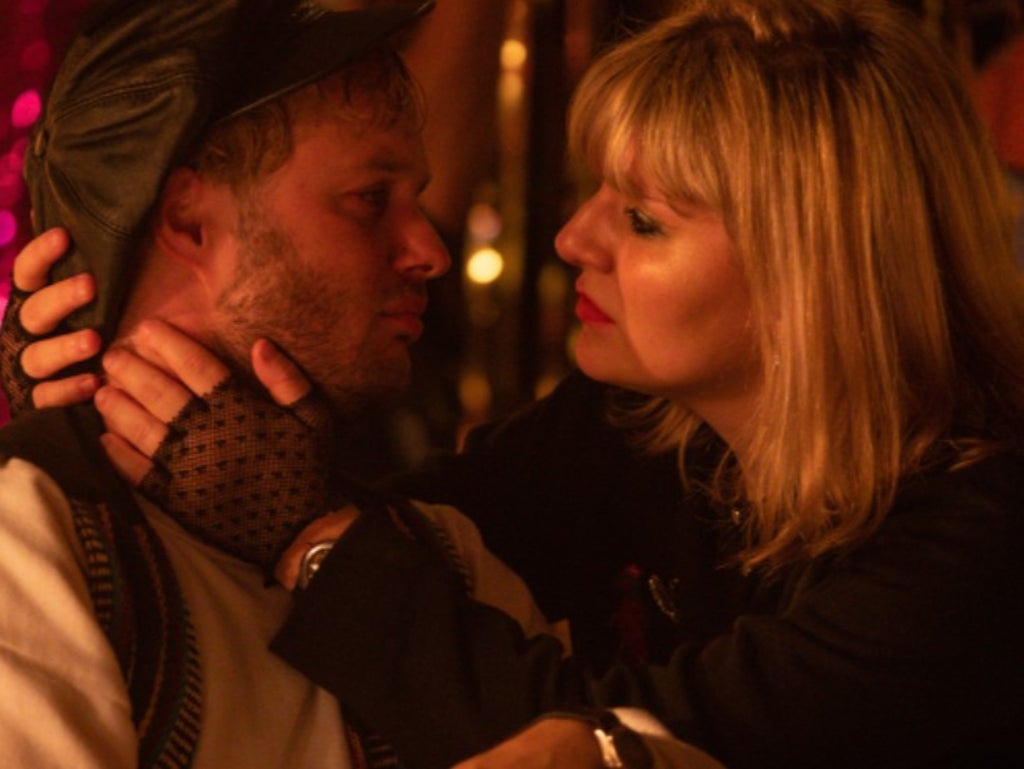
“Let’s block the telethon,” whispers Barbara Lisicki (Ruth Madeley) to her fellow disability rights activist Alan Holdsworth (Arthur Hughes). The pair are the main characters in Then Barbara Met Alan, a one-off account on BBC Two of the radicalisation of people with disabilities and their fight to secure equality. Barbara’s words still have the power to lift the heart, even 30 or so years later, and they were about much more than ending one of those godawful telly events that chuck a chip down the tunnel of global social injustice, making people feel good about themselves because they’ve sat in a bath of baked beans and raised all of £159 to end world hunger. In the angry words of Barbara, the telethon was “28 hours of well-intentioned do-gooders dangling us poor crips in front of the nation’s bleeding hearts; basically 28 hours of hardcore inspiration porn”. Instead of useless pity and tokenistic charity, she and Alan demanded the rights that would allow them, people who happened to have a disability, to “have what you’ve got”. Their campaign slogan was the memorable and arresting “Piss on Pity”. The aim was to substitute rights for charity, and it is a testament to their efforts that such a world without rights seems so far away.
It’s about 1990 and this pair of stand-up comedians, Bolsheviks in wheelchairs, set out to change the world. They meet as punchy comics, fall in love, or at least lust, and start a family – and an uprising. They are sick and tired of being patronised by the rest of society, something painfully symbolised in the ITV Telethon, which raised money for stuff like holidays for disabled kids – “show us your stumps” voyeurism posing as charity appeal. Barbara, Alan and their friends “hate-watch” just to “see what they think of us”, and the sheer scale of the challenge facing them. Post punk, they hammer their comedy club audiences with hard-edged, shocking satire and a sort of violent poetry reminiscent of the likes of Alexei Sayle and John Cooper Clarke. But going on stage isn’t enough – so they turn to protest and form the Disabled People’s Direct Action Network, DAN, to fight for their rights and terrify a complacent government.














