The farm was failing, the soil was poor and the debts were increasing. Having carried on agriculture for many generations, Isabella Tree and Sir Charles Burrell were forced to make a decision which seemed almost unimaginable – that of stopping their attempt to run their 3,500-acre estate in West Sussex as a traditional farm. The situation that followed was the opposite of what they had anticipated, as per a report by University of Sussex.
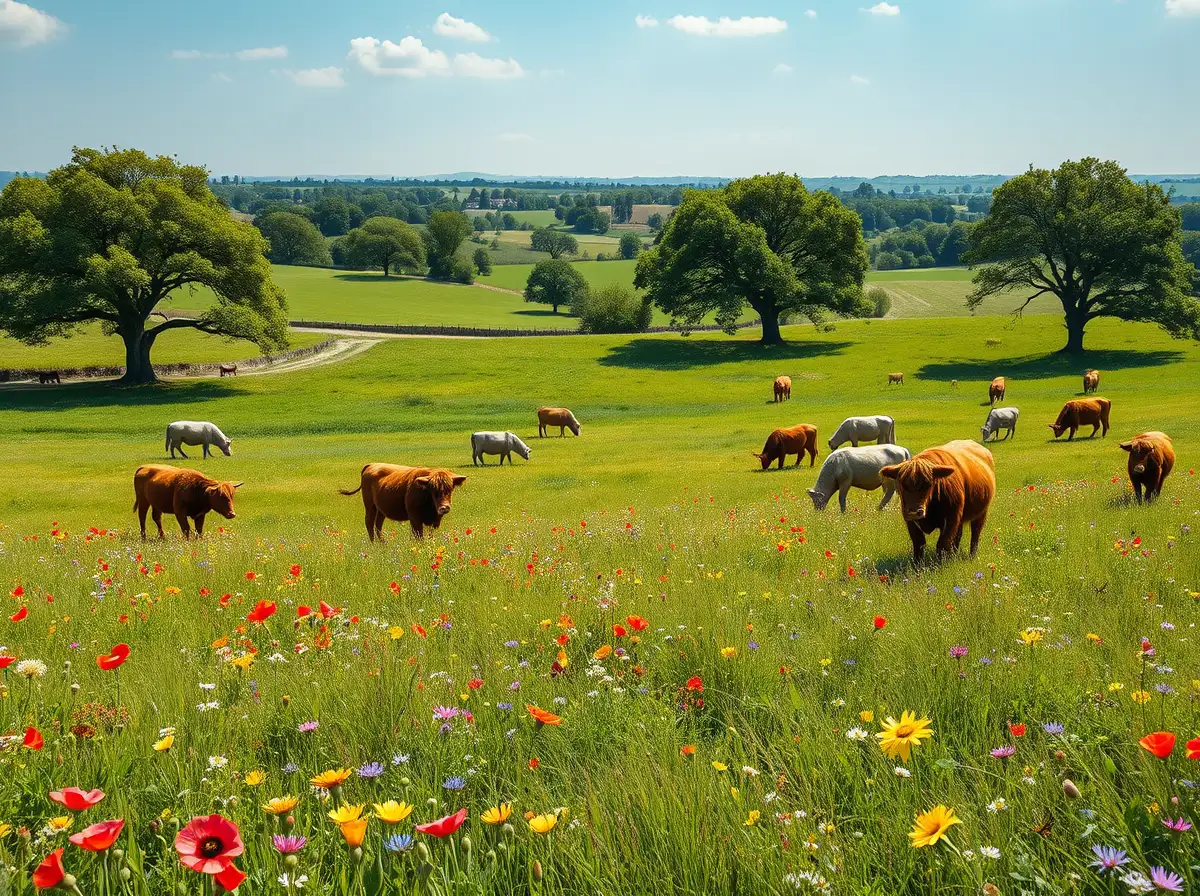
Rather than pressing the fields to produce more, room was allowed for nature to take control. Initially, the change led to weeds, a state of untidiness and criticism. Then something remarkable started to take place. Insects came back, birds appeared and the wildlife which had become increasingly rare began to return.

Twenty years on from when Knepp started its rewilding project, the estate has now been inhabited by nightingales, turtle doves, purple emperor butterflies, beavers and white storks. What was once a farm finding it hard to survive has turned into a place where nature is literally coming back to life.
A struggling 3,500-acre farm in West Sussex took an unexpected turn
Their 3,500-acre farm in West Sussex was not thriving. The land had been farmed for generations, yet poor-quality clay soil made it increasingly difficult to keep the business profitable. Isabella Tree and Sir Charles Burrell were facing mounting debt and sleepless nights. Then they made a decision that seemed almost impossible at the time: instead of trying to force the struggling farm to produce more, they began stepping back and allowing nature to take the lead.
Twenty years later, the same estate looks remarkably different.