Get all your news in one place.
100's of premium titles.
One app.
Start reading
Creative Bloq
Creative Bloq
Technology
Daniel John

The world is falling out of love with Netflix – and I think I know why

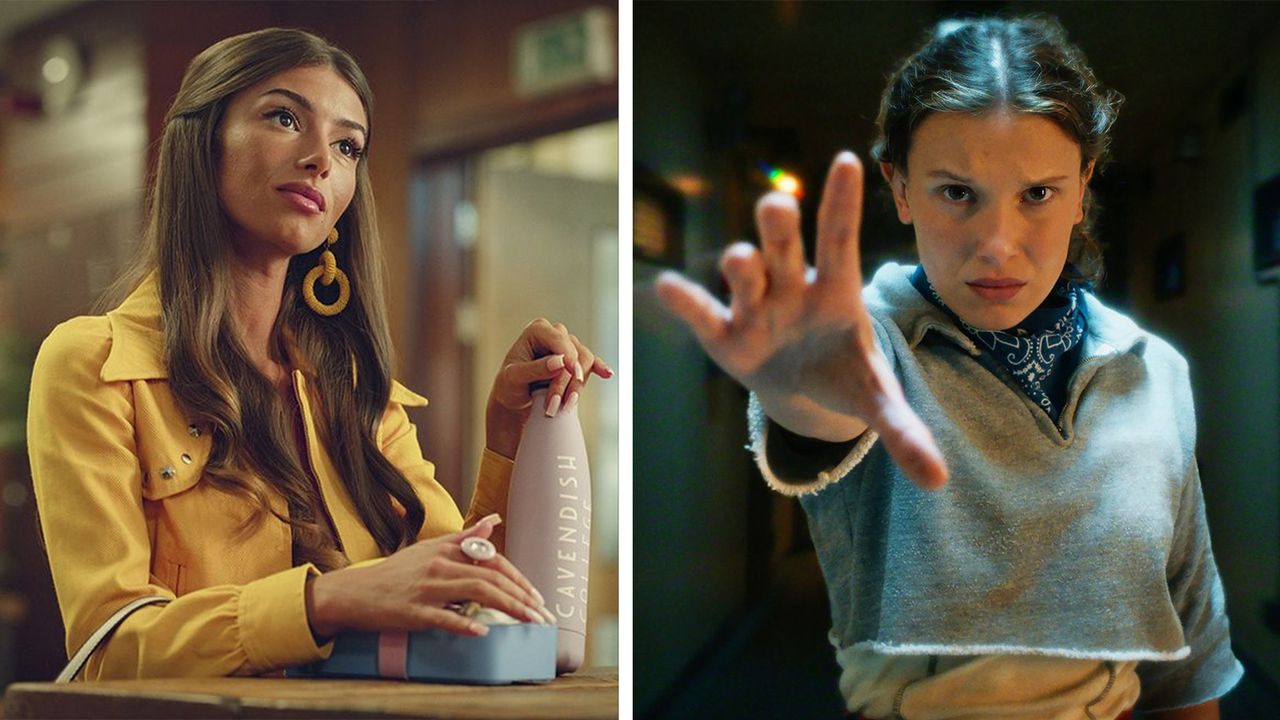
Two characters from Netflix shows.

For years, a streamer’s main concern was getting people to start watching. But Netflix has a new problem: getting them to keep watching.

Recent studies suggest viewers are increasingly abandoning Netflix shows after a single season. As reported by Bloomberg, Netflix’s biggest hits are losing more than half of their audience after one season. But I'm not buying the prevalent theory as to why.

Is the wait between seasons really to blame for viewers abandoning shows? (Image credit: Netflix)

One explanation keeps coming up: the length between seasons have become absurd. Just look at the final seasons of Stranger Things or Sex Education. Those kids look like they’re pushing thirty, and suddenly their presence in school looks like a safeguarding issue.

Plus, if you’ve forgotten most of the plot details during all those fallow years, are you going to tune in again? No wonder the ‘Previously’ montages are almost feature length these days.

Fans were willing to wait for Severance's second season (Image credit: Courtesy of Apple)

It's a neat theory, but I don't think it's quite the right one. After all, unlike the iPhone, television has never relied on annual releases to stay relevant. Mad Men disappeared for long stretches. Severance kept fans waiting three years for a second season that blew away the first. Great TV has often survived long waits because it leaves a mark. Can the same be said for most of Netflix's catalogue?

The streaming giant has spent the last decade perfecting a very specific type of television. Episodes move fast, exposition is everywhere, cliffhangers are constant and the next episode starts before you've decided whether you want to watch it. It's an incredibly effective formula if the goal is keeping viewers on the platform for another hour. It's perhaps less effective if the goal is creating something people still think and talk about next week, let alone next year, let alone whenever the next season finally arrives.

Netflix shows feel engineered for the binge, not the brain (Image credit: Netflix)

Recent rumours that Netflix designs its offerings to be understandable whilst looking at a second screen have been grimly believable. Matt Damon recently claimed Netflix executives encourage screenwriters to repeat plot points because viewers are often distracted by their phones. Netflix has disputed the suggestion, but it speaks to a criticism that has lingered around the platform for years: rather than being all-consuming, much of its output feels designed to accommodate divided attention.

Prestige TV has traditionally worked in exactly the opposite way. It trusts audiences to remember details, draw their own conclusions and occasionally, whisper it, feel lost. It assumes you're watching rather than half-listening while doomscrolling. That confidence often produces stories with texture and ambiguity, and the results linger longer in the mind and the zeitgeist. Just look at Succession.

Netflix often feels optimised for the binge rather than the brain. I don't think viewers are falling away because they have to wait too long between seasons. If anything, those long gaps expose which shows have genuine staying power. People didn’t return to Severance because it was always available. They returned because they hadn’t stopped thinking about season one’s incredible finale. How many Netflix season finales are you still thinking about?

Sign up to read this article
Read news from 100's of titles, curated specifically for you.
Already a member? Sign in here
Related Stories
Top stories on inkl right now
One subscription that gives you access to news from hundreds of sites
Already a member? Sign in here
Our Picks
Fourteen days free
Download the app
One app. One membership.
100+ trusted global sources.