Get all your news in one place.
100’s of premium titles.
One app.
Start reading
Budget and the Bees
Budget and the Bees
Latrice Perez

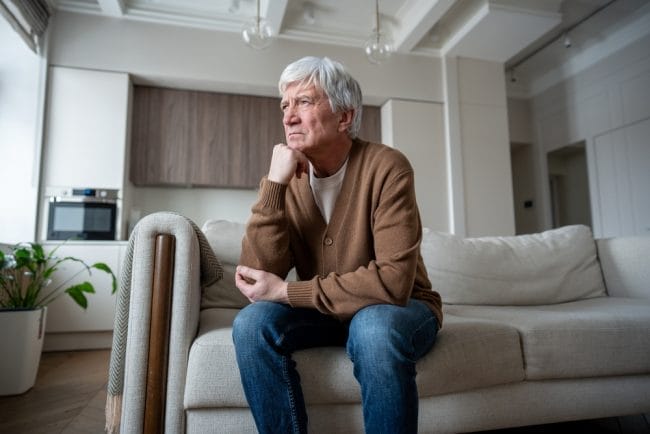
The “Widowhood Effect”: Why Men’s Health Declines Rapidly After Loss

widowhood effect
Image source: shutterstock.com

We often discuss grief as an emotional journey or a period of sadness that eventually lifts. However, the loss of a spouse represents a physiological catastrophe for many men. Statistics reveal a disturbing trend known as the “Widowhood Effect.” Consequently, the surviving husband faces a significantly higher risk of illness and death in the months following his partner’s passing. This phenomenon signals a systemic collapse of health management rather than just loneliness.

The Loss of the Health Manager

In many households, specifically among the Boomer and Gen X generations, the wife often acts as the unofficial health manager. She reminds him to take his blood pressure medication, cooks balanced meals, and schedules doctor’s appointments. Therefore, that infrastructure vanishes overnight when she passes away.

Men frequently lose the routines that kept them physically viable. They might revert to poor dietary habits or forget medication. This happens not out of negligence, but due to grief-induced fog and a lack of established habits. Grief removes the safety net exactly when the body undergoes extreme stress.

The Physiology of Broken Heart Syndrome

Grief functions as a physical event. Stress hormones like cortisol and adrenaline flood the body. Consequently, this “fight or flight” state suppresses the immune system. This reaction makes the widower more susceptible to infections like pneumonia or the flu. In severe cases, the surge of stress hormones stuns the heart muscle. This leads to Takotsubo cardiomyopathy, which doctors literally call “broken heart syndrome.”

Furthermore, isolation compounds this biological stress for men since they statistically possess less robust social support networks than women. Loneliness acts as a toxin that raises blood pressure and inflammation levels. The body stays in a state of high alert without a partner to help regulate emotions. As a result, the cardiovascular system wears down rapidly.

Breaking the Silence

Society expects men to grieve stoically. Cultural norms dictate they must return to work, manage the estate, and remain strong. Unfortunately, this pressure prevents them from seeking necessary help. They often avoid therapy and hesitate to reach out to friends to admit they struggle. This internalization of pain accelerates physical decline.

We must change how we support grieving men. Bringing a casserole to the funeral provides insufficient help. Instead, support needs to remain structural and long-term. We must help rebuild the daily health routines that disappeared along with the partner.

Grief Is a Physical Event

You simply cannot grieve alone. If you or a man you know suffered a loss, recognize the physical danger immediately. Monitor health metrics like blood pressure closely. Additionally, establish new routines for meals and medication right away, perhaps with the help of family or technology. Grief takes a heavy toll, yet it does not have to be a death sentence.

Your turn: Have you witnessed the physical toll of grief in your own family? Leave a comment and let’s discuss how to better support those left behind.

What to Read Next…

The post The “Widowhood Effect”: Why Men’s Health Declines Rapidly After Loss appeared first on Budget and the Bees.

Sign up to read this article
Read news from 100’s of titles, curated specifically for you.
Already a member? Sign in here
Related Stories
Top stories on inkl right now
One subscription that gives you access to news from hundreds of sites
Already a member? Sign in here
Our Picks
Fourteen days free
Download the app
One app. One membership.
100+ trusted global sources.