When people think about censorship, they often imagine an obvious ban: a book prohibited, an exhibition closed, or a speaker silenced.
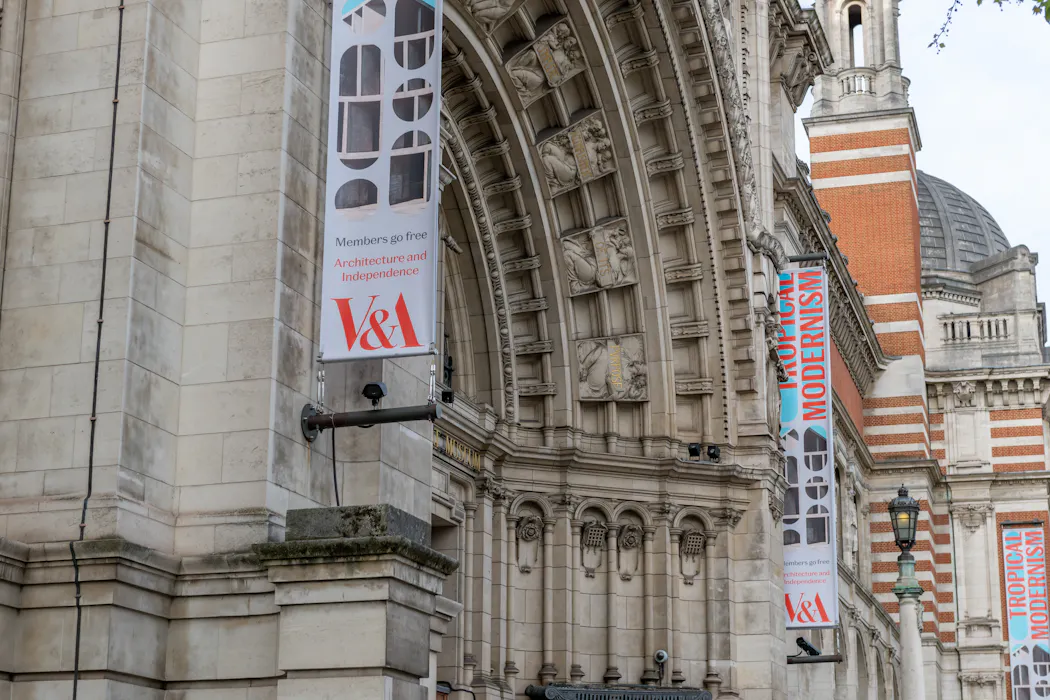
But the recent revelation that London’s Victoria and Albert Museum changed exhibition catalogues at the request of its Chinese printer points to something subtler. It suggests that Chinese censorship is increasingly capable of shaping cultural production beyond China’s borders through reliance on foreign companies.