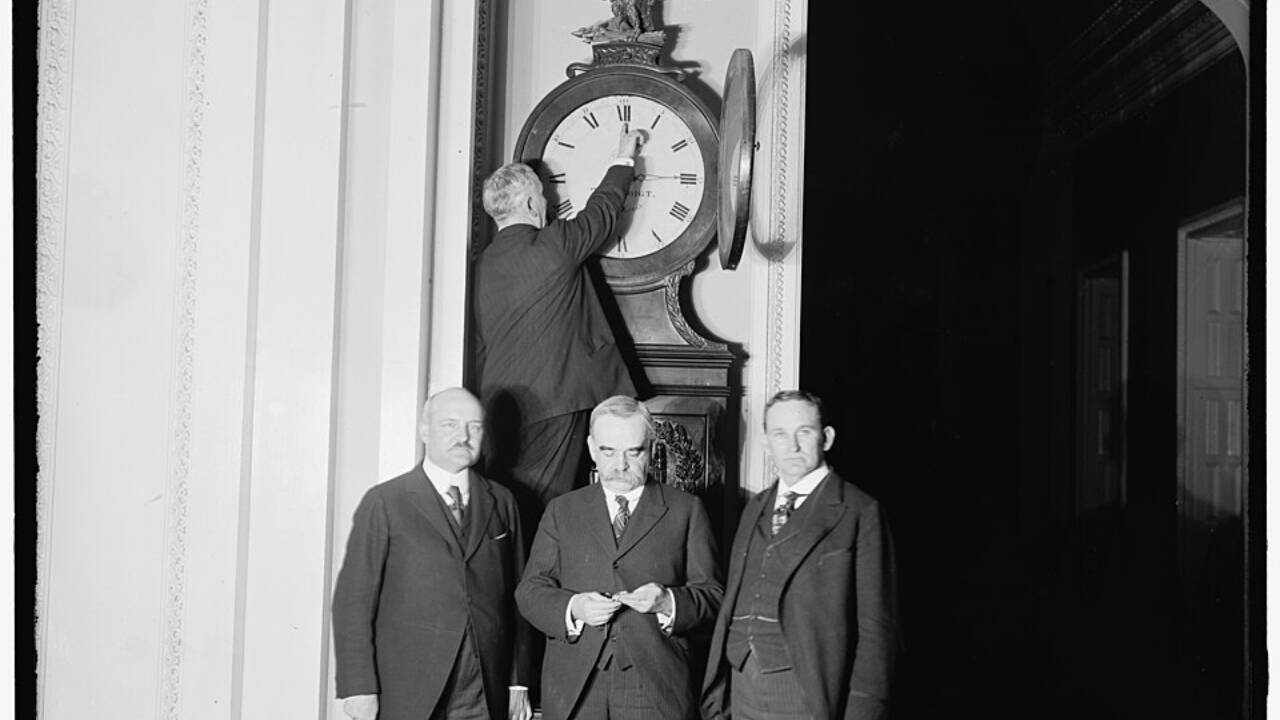
In the past century, the United States abandoned the familiar ritual of changing clocks in spring and autumn in favour of Daylight Saving Time twice. On both occasions, the move was introduced as a practical solution, with the first one introduced to conserve fuel during wartime and later to address the energy crisis in 1970. However, despite the promise of longer evening daylight and potential energy savings, both instances sparked widespread public criticism, especially over children travelling to schools in darkness. Therefore, within months, the political pressure mounted and Congress had to reverse the course and restore seasonal clock changes that continue till today.
Get breaking news anytime, anywhere. Download the TOI app now!
The first experiment came during World War II
The United States first adopted year-round Daylight Saving Time during World War II, known as War Time. The policy took effect on February 9, 1942, after President Roosevelt signed legislation aimed at conserving fuel and electricity during the war effort. Thus, instead of changing the clock twice a year, Americans remained on Daylight Saving Time continuously till September 30, 1945. According to the U.S. Department of Transportation, the measure was viewed as a wartime necessity rather than a permanent lifestyle change. Therefore, once the war ended and the countrywide crisis was averted, it allowed the states and local governments to decide whether and how to observe Daylight Saving Time.
After the first time, nearly three decades later, Congress revisited this idea during the 1973 oil embargo, when fuel shortages prompted the government to search for measures to reduce energy consumption. Notably, the Emergency Daylight Saving Time Energy Conservation Act, signed by President Richard Nixon in December 1973, introduced a year-round DST starting from January 1974. The policymakers had hoped that extending evening daylight would reduce electricity usage and ease the pressure on energy supplies. It is worth noting that this was supposed to be a temporary emergency measure while the country responded to the energy crisis.
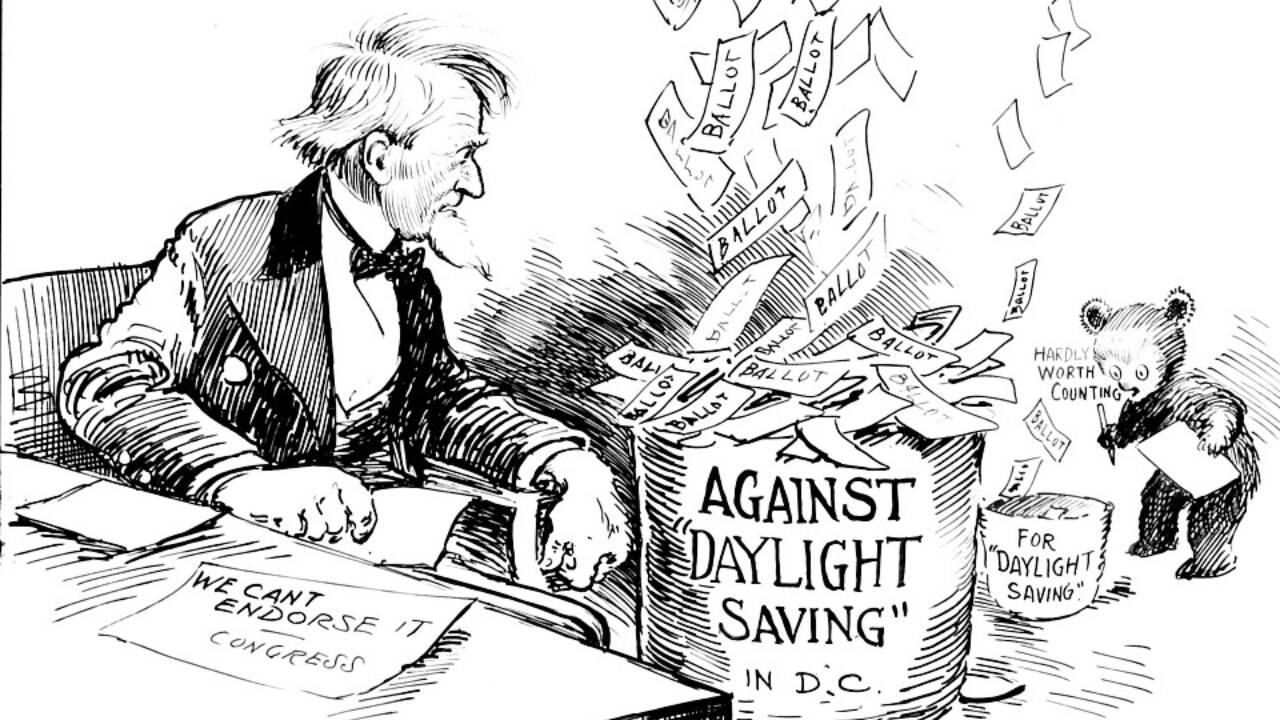
According to historical accounts cited by the Congressional Research Service, the policy was initially enjoyed and supported broadly; however, the support for year-long DST dropped dramatically within months after the implementation. One of the biggest concerns raised by the public was that children in many parts of the country were forced to travel to school before sunrise during the winter months, with reports of dark morning commutes and safety concerns dominating the news coverage. This sharp public approval fall prompted the government to reconsider its policy, with Congress eventually amending the law later in 1974 and restoring Standard Time during winter while retaining DST for summers.
Decades later, the debate still continues
Since the Uniform Time Act of 1966 established a nationwide framework for DST, the United States has continued adjusting clocks twice a year, while allowing states to opt out under certain conditions. In recent years, several states have notably expressed interest in adopting the DST system permanently, and Congress has debated proposals such as the Sunshine Protection Act. It is worth noting that no nationwide switch has been implemented yet, as federal law would need to change as well. The nationwide experiments by Congress show how public opinion can change once these laws start affecting their everyday lives. While longer evenings appealed to many Americans, the reality of darker winter mornings proved far less popular, with both attempts eventually failing because the practical drawbacks outweighed the expected benefits in the eyes of ordinary citizens.