Get all your news in one place.
100's of premium titles.
One app.
Start reading
The Times of India
The Times of India
World
TOI World Desk

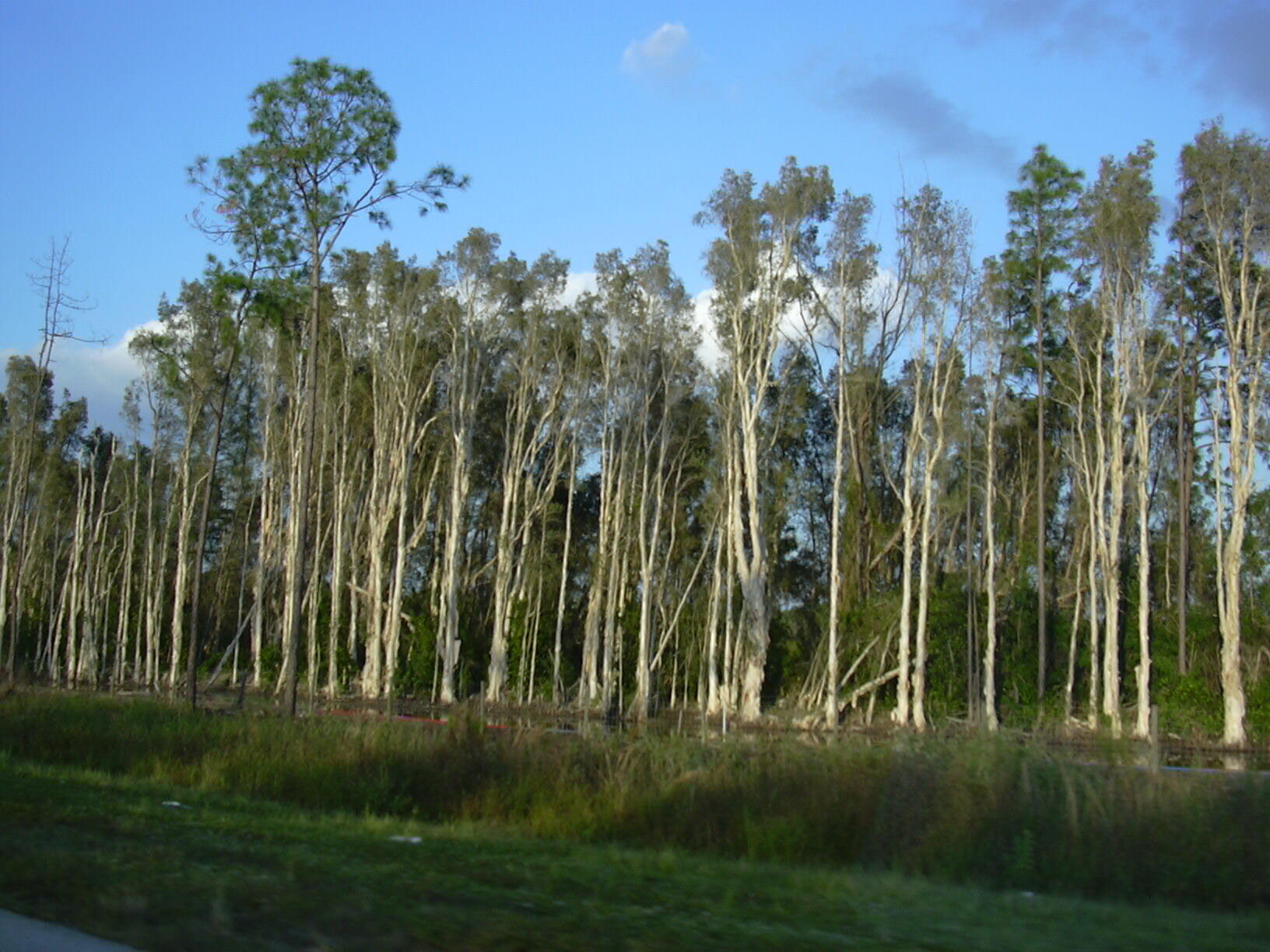
The United States in 1906 planted Australian melaleuca trees to drain Florida's wetlands, but scientists now say they spread across nearly 500,000 acres, replacing native sawgrass marshes with dense invasive forests that alter fire and water cycles

Human disturbance in natural ecosystems always results in some unexpected ecological changes that take many years to understand. At the beginning of the last century, the extensive wetlands found in southern Florida appeared to be an insurmountable barrier for development rather than a living ecosystem. Trying to find a natural means to drain the wetlands for the development of agriculture and cities, the people in charge turned to nature from across the ocean, choosing a tough evergreen tree, which was well known for thriving in swampy areas.

Get breaking news anytime, anywhere. Download the TOI app now!
Sign up to read this article
Read news from 100's of titles, curated specifically for you.
Already a member? Sign in here
Related Stories
Top stories on inkl right now
One subscription that gives you access to news from hundreds of sites
Already a member? Sign in here
Our Picks
Fourteen days free
Download the app
One app. One membership.
100+ trusted global sources.