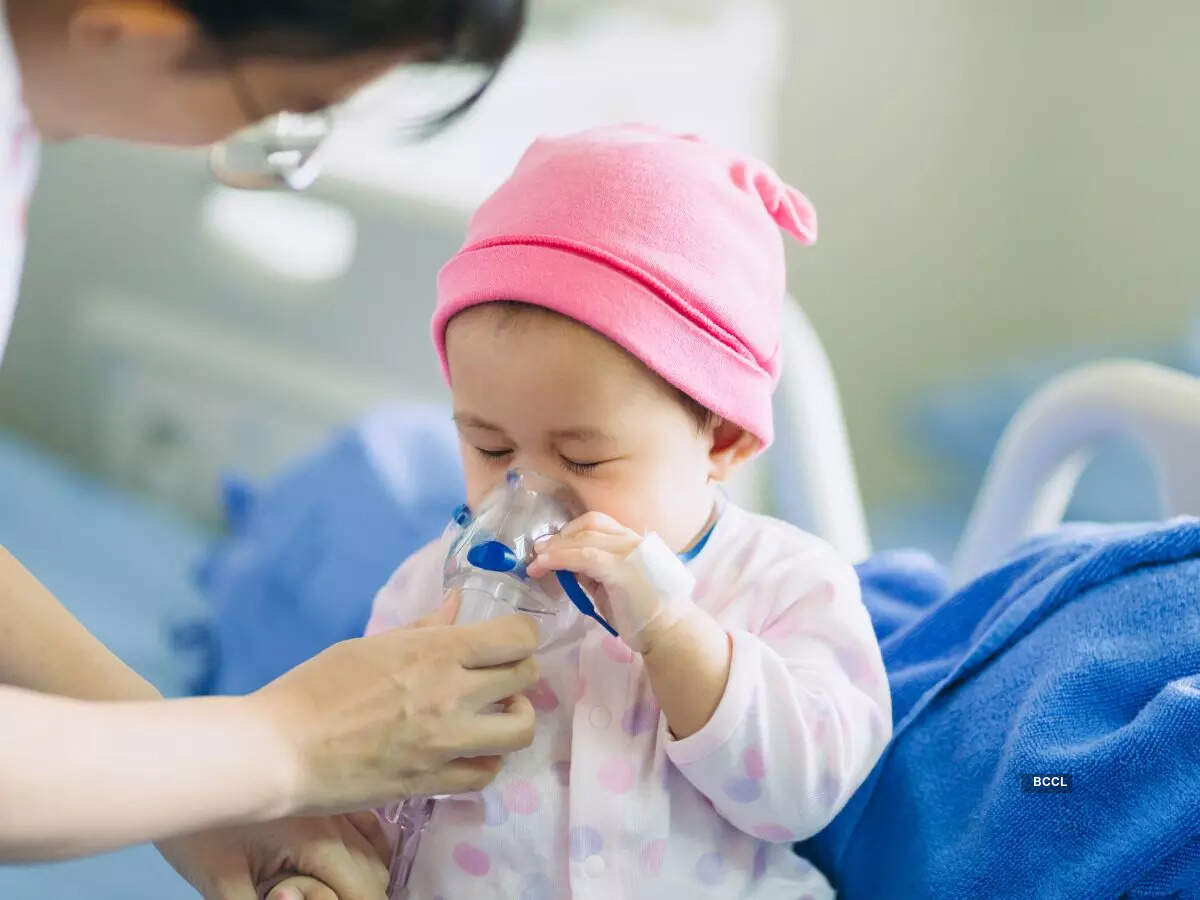
Childhood pneumonia is a major public health hazard across the world, impacting millions of children each year. Its origin is linked with a complicated interplay of infections and a variety of risk factors that combine to endanger a child's sensitive respiratory system.
Infectious agents like bacteria, viruses, or fungi, serve as the primary instigators of childhood pneumonia. Among these Streptococcus pneumoniae, Haemophilus influenzae type b (Hib), respiratory syncytial virus (RSV), and a host of other pathogens are included. These invaders breach the respiratory defense which infiltrates lungs and initiates inflammation resulting in pneumonia.