Get all your news in one place.
100's of premium titles.
One app.
Start reading
Kids Ain't Cheap
Kids Ain't Cheap
Evan Morgan

The “Toxic” Household List: 5 Everyday Items Pediatricians Are Flagging for Toddler Safety

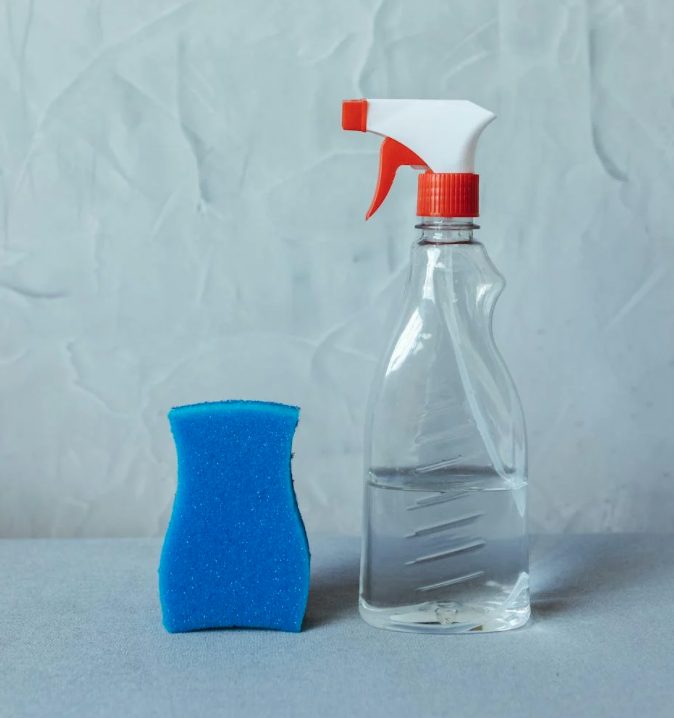
Cleaning Supplies

Image Source: Pexels

Toddlers are naturally curious, and that curiosity is exactly what helps them learn—but it can also put them at risk. What many parents don’t realize is that some of the most dangerous items in the home are the ones we use every single day. Pediatricians are increasingly raising concerns about common household products that pose hidden hazards to young children. These items often fly under the radar because they seem harmless to adults. By becoming aware of these risks, parents can make simple changes that significantly improve toddler safety.

1. Laundry Pods: Colorful but Dangerous

Laundry detergent pods may look like candy to toddlers, making them especially tempting and risky. Pediatricians warn that even a small amount of detergent can cause serious harm if ingested or if it comes into contact with eyes. The bright colors and squishy texture only increase their appeal to curious little hands. Many poisoning incidents happen in seconds, often when a caregiver is momentarily distracted. To reduce risk, always store pods in a locked cabinet and consider switching to less concentrated liquid detergents.

2. Button Batteries: Tiny but Powerful Threats

Button batteries are found in many everyday items like remote controls, toys, and even greeting cards. Despite their small size, they can cause severe internal burns if swallowed, sometimes within just two hours. Pediatricians emphasize that these batteries are one of the most dangerous ingestion risks for toddlers. Symptoms can be subtle at first, which makes early detection difficult. Parents should secure battery compartments with tape or screws and keep spare batteries completely out of reach.

3. Essential Oils: Natural Doesn’t Mean Safe

Essential oils are often marketed as natural wellness solutions, but they can be harmful to toddlers if misused. Many oils are toxic when ingested or applied directly to a child’s skin without proper dilution. Even inhalation from diffusers can cause respiratory irritation in sensitive children. Pediatricians caution that oils like eucalyptus, tea tree, and peppermint can be particularly problematic. Always store oils safely, use them sparingly, and consult a healthcare professional before introducing them into your child’s environment.

4. Cleaning Supplies: Everyday Hazards in Plain Sight

Household cleaners are among the most common sources of accidental poisoning in young children. Products like bleach, disinfectant sprays, and toilet cleaners often contain harsh chemicals that can burn skin or damage internal organs. Many of these items are stored under sinks or in easily accessible cabinets. Pediatricians stress the importance of using childproof locks and never leaving cleaning products unattended during use. Switching to non-toxic or plant-based cleaners can also reduce the risk while maintaining a clean home.

5. Cords and Window Blind Strings: Silent Safety Risks

Cords from blinds, curtains, and electronics may not seem dangerous at first glance, but they pose a serious strangulation hazard. Toddlers can easily become entangled while playing or exploring their surroundings. Pediatricians frequently highlight these risks because incidents can happen quickly and silently. Looping cords or those hanging within reach are especially dangerous. To improve safety, install cordless window coverings and keep all cords securely tied up and out of reach.

Small Changes, Big Impact

Creating a safe environment for toddlers doesn’t require a complete home overhaul, but it does demand awareness and proactive choices. Many of the items pediatricians warn about are already in your home, which makes education the first line of defense. By identifying potential hazards and making simple adjustments, parents can prevent accidents before they happen. It’s about balancing a child’s natural curiosity with thoughtful safety measures. Even small changes can make a big difference in keeping your little one protected.

What’s one everyday item in your home that surprised you as a potential hazard? Have you made any simple changes that improved your child’s safety? Share your thoughts, tips, and experiences in the comments below—your insight could help another parent create a safer home.

What to Read Next

6 Ways to Entertain a Toddler for Free Without a Tablet

Stop Posting Your Kids Online: The 2026 Safety Warning Every Parent Needs to Hear

Are Parents Talking Enough About Emotional Safety at Home?

The post The “Toxic” Household List: 5 Everyday Items Pediatricians Are Flagging for Toddler Safety appeared first on Kids Ain't Cheap.

Sign up to read this article
Read news from 100's of titles, curated specifically for you.
Already a member? Sign in here
Related Stories
Top stories on inkl right now
One subscription that gives you access to news from hundreds of sites
Already a member? Sign in here
Our Picks
Fourteen days free
Download the app
One app. One membership.
100+ trusted global sources.