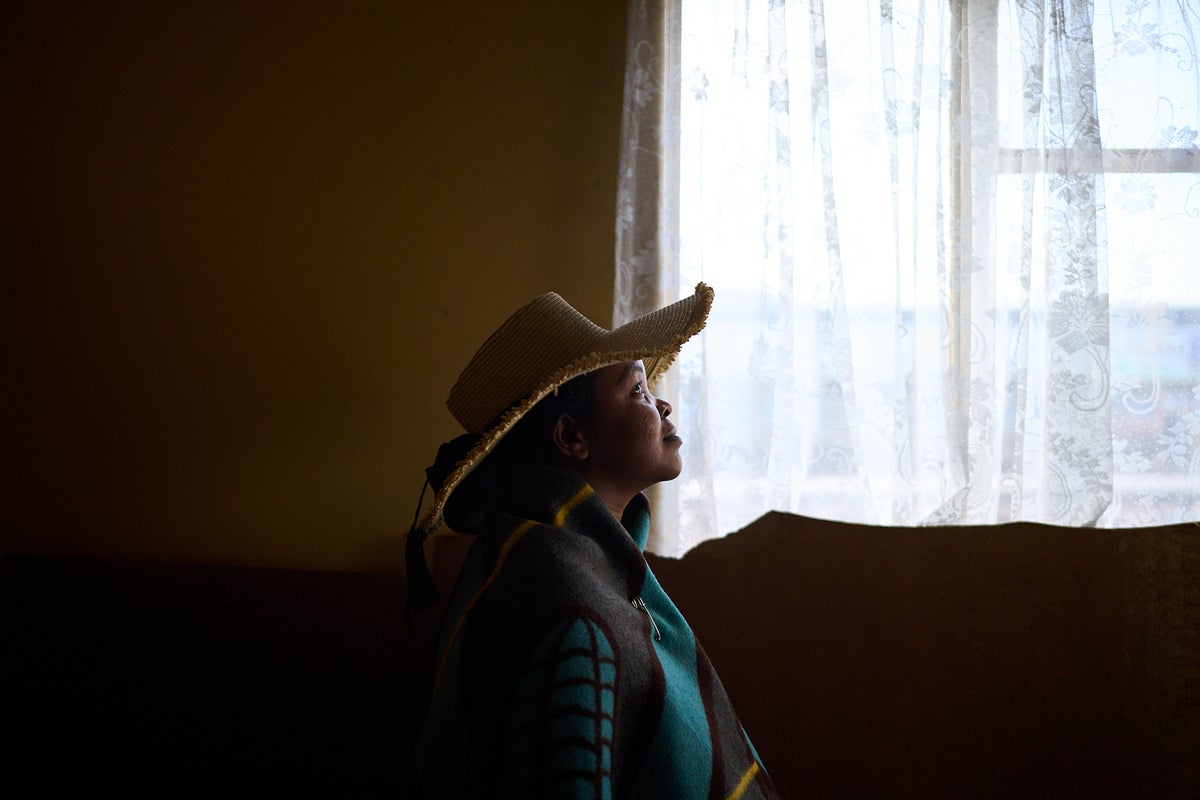
In the snow-capped mountains of Lesotho, a devastating health crisis is unfolding, forcing mothers to trek for hours with their babies only to find essential HIV testing unavailable. Health clinics, once vital lifelines for the most vulnerable, are now shutting their doors, while a significant number of health workers have been laid off. Desperate patients are left to ration or even share their life-saving medication.
This dire situation, residents, health workers, and experts agree, was unimaginable just months ago. The small, landlocked southern African nation historically grappled with the world’s second-highest rate of HIV infections. However, over many years, nearly $1 billion in aid from the United States had helped Lesotho establish an efficient health network, successfully slowing one of modern history's deadliest epidemics.