
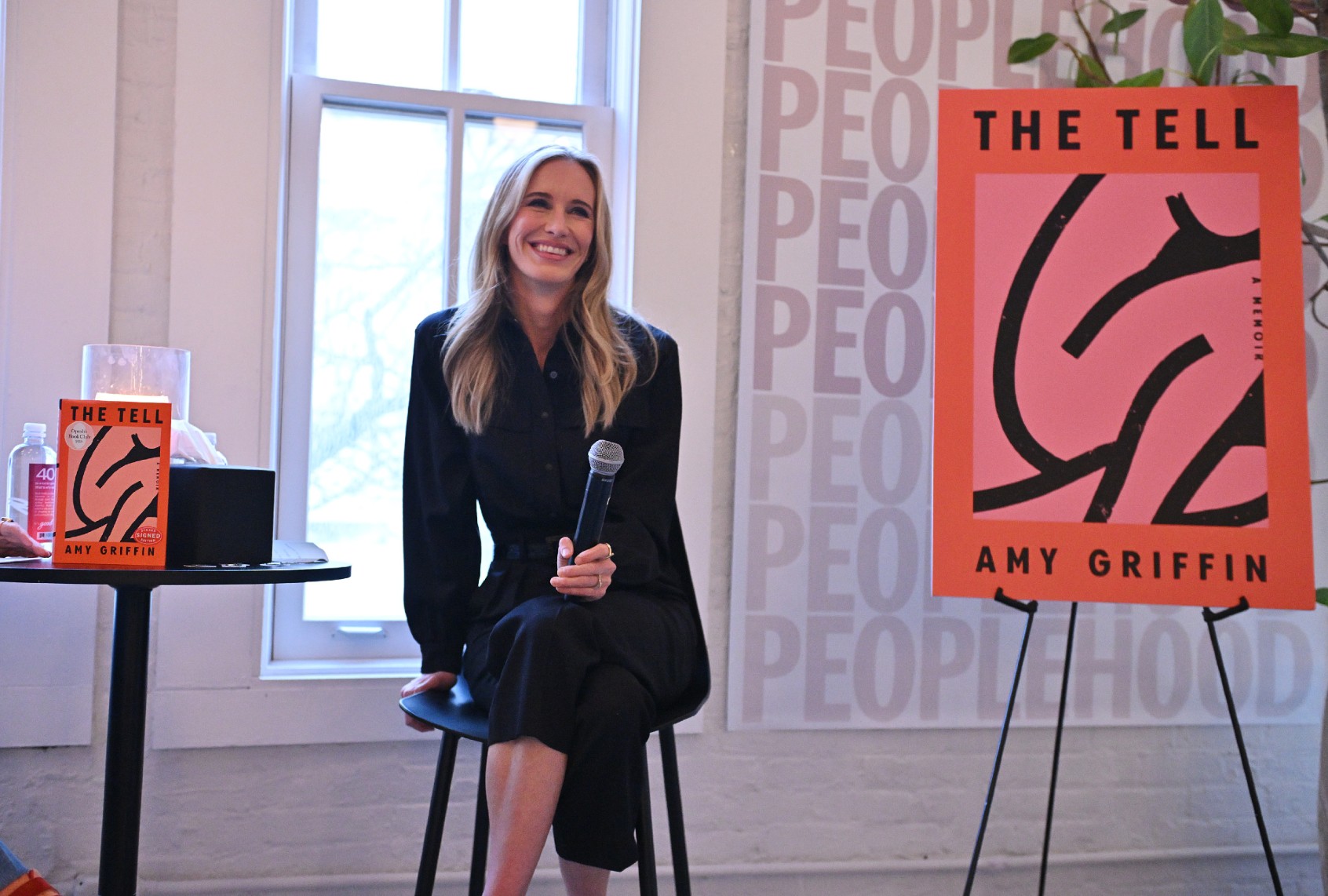
Last week, news broke that Amy Griffin, author of the 2025 New York Times bestselling memoir “The Tell,” had filed a lawsuit against the anonymous former classmate who, last March, sued Griffin, alleging that several of the anecdotes in the book — which details a horrific experience of childhood rape and sexual abuse — were not Griffin’s, but her own. Griffin’s countersuit claims that the classmate’s lawsuit characterizes her as “a fraud and a thief.” This isn’t the kind of delicious, schadenfreude-dipped publishing-world drama about a bad art friend that other writers love to deconstruct in group texts. It’s a dispiriting legal battle in which two women who likely suffered profound sexual trauma are publicly battling, one with a focus on preserving both her reputation and her business interests, and the other with almost nothing on her side, including, thanks to Griffin’s countersuit, anonymity.
“The Tell” is about a woman who is by every possible measure successful, trying to understand what unseen force is holding her back from an otherwise beautiful life — impacting her marriage, alienating her children and causing panic attacks. On the encouragement of her equally successful, equally blessed husband, Griffin agrees to try therapeutic MDMA. A former star student and long-distance runner from a prominent family in Amarillo, Texas, Griffin goes into her first session with a competitor’s single-minded determination to, as she writes, “get to the finish line.”