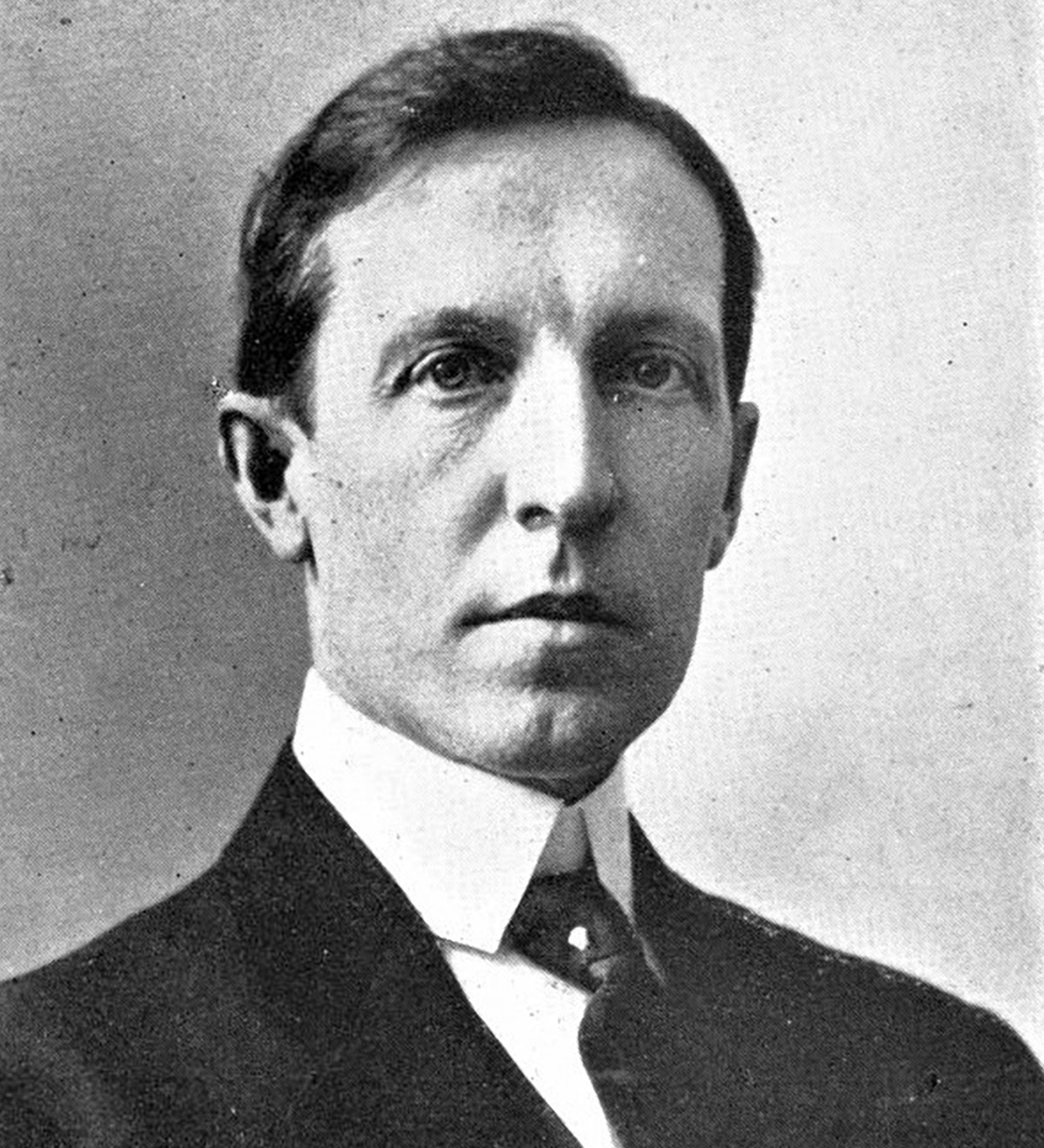
Throughout much of the twentieth century, a man who is now a byword for infamy was widely seen as one of Canada’s best poets. In 1982, when Margaret Atwood edited The New Oxford Book of Canadian Verse in English, she praised the “moral jaggedness” and “condensed tragedies” of Duncan Campbell Scott’s poetry and allowed only two writers, living or dead, more pages in her anthology. “His place is secure in the canon of major Canadian writers,” wrote the critic Robert L. McDougall the following year. Scott took the traditions of English Romanticism and immersed them in a northern wilderness. His poetry evoked the landscapes around him and the Indigenous peoples who lived there:
Quiet were all the leaves of
the poplars,
Breathless the air under their
shadow,
As Keejigo spoke of these things
to her heart
In the beautiful speech of the
Saulteaux.