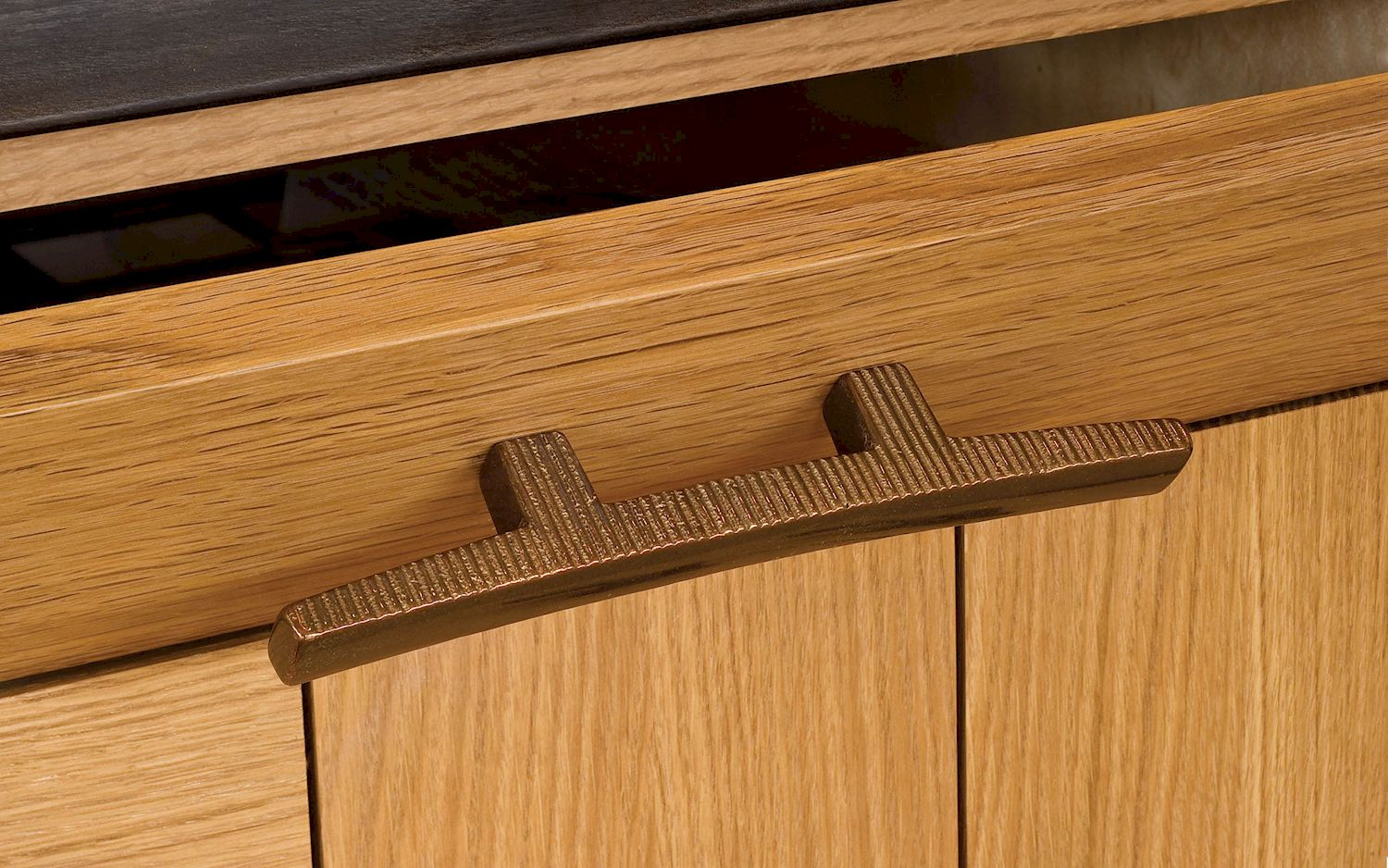
Good architecture moves beyond the structural. It becomes memorable through detail — the specific choices that shape how a space feels, flows, and is touched. From the first moment of contact, whether through a hand on a door pull or a shift in light across a bronze fixture, the built environment begins a quiet conversation with the body. These elements, often overlooked in scale but not in significance, are what give form its intimacy. They do not announce themselves, but they are always felt. It is this refined layer of design that brands like Rocky Mountain hardware products help define — subtle, enduring, and deeply embedded in the way we live with architecture.
The Handshake of a Space
The first moment of touch is where design becomes personal. A lever, a pull, a knob — these are where thought meets matter. In well-executed architecture, this moment is not left to chance. It is specified. It is part of the experience.
Tactile materials like cast bronze offer a sense of permanence and care. They wear slowly and beautifully. Each use adds to their character, turning hardware into an evolving feature rather than a fixed one. These are choices that contribute to the larger architectural intent — not as afterthoughts, but as extensions of it.
Material with Meaning
Design professionals speak often of texture, finish, and patina. These qualities are not surface flourishes. They carry weight. Material matters because it holds memory, responds to time, and adds dimensionality to form.
Bronze, for example, develops a living finish. Its tone shifts subtly as it ages. In residential spaces, this can soften transitions and warm minimal geometries. In commercial or hospitality projects, it communicates longevity and depth. These are not trends. They are values expressed through material.
Choosing hardware of this caliber is not about decoration. It is about coherence. It allows designers to build a tactile vocabulary across doors, cabinetry, and other points of interaction — grounding each space in the physical world.
Details as Design Language
Architectural details do more than complete a drawing set. They tell a story. A story of intention, of craft, of how a space is meant to be used and understood.
Door hardware can mark thresholds. A change in texture signals a transition. A weighty handle slows the gesture, creating pause. These subtleties influence behavior and perception. They shape the emotional register of a room.
For architects and interior designers, hardware becomes a tool for shaping experience at the scale of the hand — a scale that connects the personal to the architectural.
Specifying with Purpose
In high-end design, every selection is a reflection of priorities. To specify hardware that has been cast by hand, finished with care, and built for longevity is to reject disposable culture. It is a choice for the long term — for clients who want their homes to age well, and for spaces that invite quiet confidence.
This level of decision-making speaks to a client base that values process and provenance. Whether designing a modern mountain retreat or restoring a historic home, architects turn to material-forward brands that can meet both aesthetic and performance expectations. The goal is not only visual consistency, but experiential depth.
When Design Steps Back
The best design often does not call attention to itself. It steps back, allowing form, material, and light to do their work. It becomes background — not by disappearing, but by integrating so seamlessly that it feels inevitable.
This is the mark of successful architectural detailing. The edge of a recessed pull. The profile of a latch. The quiet way a hinge allows a door to glide. These are the interactions users do not consciously note but respond to nonetheless.
By choosing pieces that embody both restraint and richness, architects can create environments that speak softly but resonate deeply.
Final Thought
In the end, the measure of good design is not only in how it looks, but in how it lives. The hardware on a cabinet, the handle on a door — these are moments of design that occur every day. They deserve the same care as the larger forms they serve.
By attending to these details, designers and architects craft buildings that are not only seen but felt. They make spaces that invite touch, age with grace, and hold meaning beyond the visual. This is the quiet power of architectural detail. It is where design becomes human.