Get all your news in one place.
100's of premium titles.
One app.
Start reading
The Conversation
The Conversation
Johann Kirsten, Director of the Bureau for Economic Research, Stellenbosch University

The South African government has been buying farmland for black farmers. It's not gone well

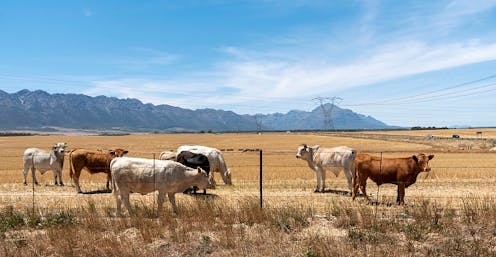
Acquired land was used mostly for raising livestock rather than growing fruit, vegetables or field crops. Peter Titmuss/Education Images/Universal Images Group via Getty Images

When the African National Congress came to power in South Africa in 1994, an expressed priority was land reform. This was to address the fact that black farmers had been excluded from the agricultural economy for most of the 20th century. The aim of land reform was to provide agricultural land to disadvantaged people, raising their productivity, income and employment.

A plethora of policy initiatives were launched. The target was to distribute 30% of agricultural land to black farmers. In 2006 the Proactive Land Acquisition Strategy (PLAS) was adopted. This replaced the land redistribution programmes implemented between 1996 and 2006. The acquisition programme involved the government buying farmland previously owned by white farmers and redistributing it to black farmers.

Sign up to read this article
Read news from 100's of titles, curated specifically for you.
Already a member? Sign in here
Related Stories
Top stories on inkl right now
One subscription that gives you access to news from hundreds of sites
Already a member? Sign in here
Our Picks
Fourteen days free
Download the app
One app. One membership.
100+ trusted global sources.