
Get all your news in one place.
100’s of premium titles.
One app.
Start reading
Digital Camera World
Hillary K. Grigonis

The smartphone decimated the camera industry. But now Canon says the industry has finally settled, as trends push point-and-shoots like this PowerShot compact out of stock

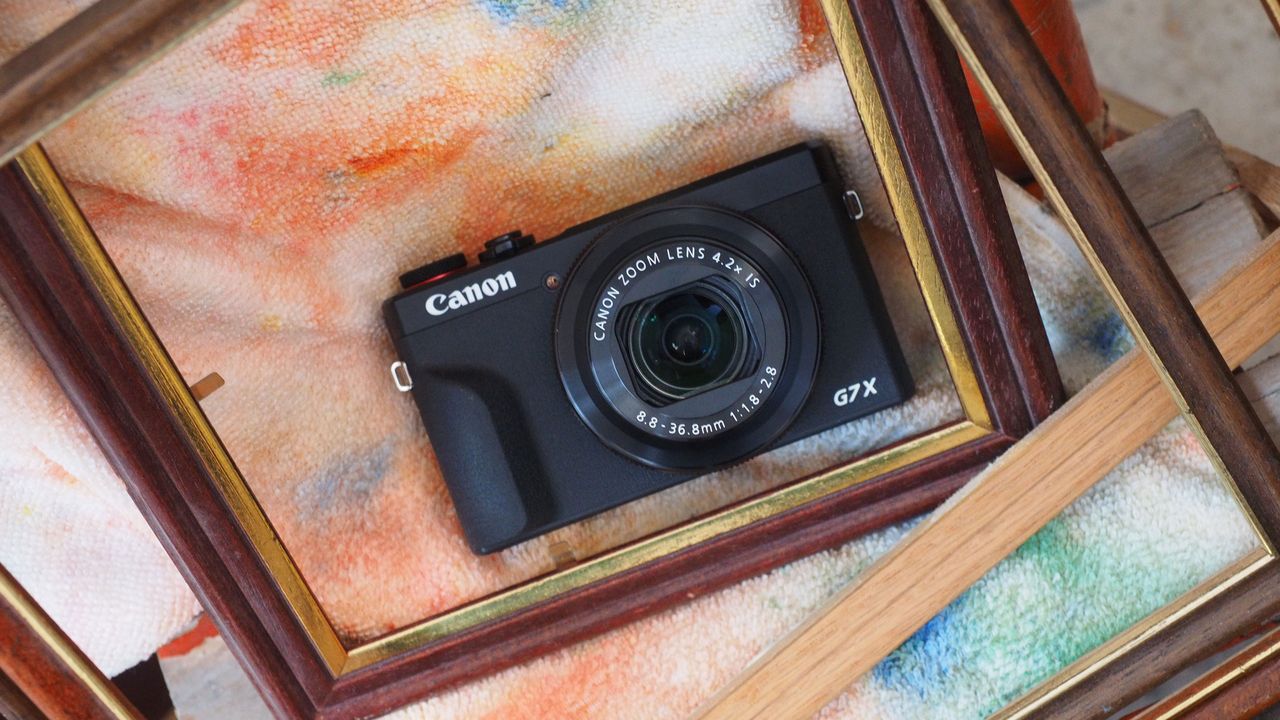
Canon Powershot G7 X Mark III.

The growth of the smartphone decimated the point-and-shoot camera industry – but camera giant Canon says the market has “settled,” putting the company in a position to pursue renewed growth.

Canon recently shared an updated outlook on the brand’s long-term plan spanning through 2030 – and the report is filled with interesting insight into the camera industry, as well as where Canon is headed next.

One key insight is that Canon says the impact of the smartphone on the camera industry has settled: “...for cameras, the market contraction caused by spread of smartphone has settled, and with the addition of a new user segment focused on video and SNS-oriented shooting, we are now in a position to pursue renewed sales growth.”

Note that Canon isn’t saying that the camera market has returned to its pre-smartphone days, but that the industry has now “settled.” The company’s renewed focus on video is already apparent in options like the Canon PowerShot V1 and EOS R5 C.

The Canon PowerShot V1 (Image credit: James Artaius)

The “SNS-oriented shooting” that the company mentions likely refers to Social Networking Services, or shooting content for social media. Social media is likely a significant factor in Canon’s growth, as cameras like the PowerShot G7X Mark III are now hard to find after the aging compact camera went viral. The rise of content creation on social media is also contributing to the growth of the camera industry as creators look beyond the smartphone.

Last summer, Canon announced that it was increasing the production of compact cameras, including that trendy G7X Mark III, yet the popular point-and-shoot remains hard to find. Canon’s official web stores in the US and UK are both out of stock of the G7 X Mark III as well as the PowerShot ELPH 360 HS A / IXUS 285 HS A.

In the long-term plan, which calls the printing and imaging segments “cash cow businesses,” Canon’s goal is for continued growth of 10 percent in the brand’s imaging division. That’s partially driven by growth in Canon’s network camera business in addition to consumer-oriented and professional imaging equipment. Canon notes 3D imaging and “video DX” as areas for future expansion.

The report also builds on Canon’s mention of potentially outsourcing some “low-end” models last year. During the Q&A session, Canon says that “Low-priced products will be outsourced and mid-range and high-end products, will be shifted to domestic production using automation and man-machines through the combination of robots and humans.”

That comment comes from a question on the company’s ratio between domestic and overseas production, but, notably, Canon doesn’t indicate which product families that applies to, whether that’s printing, imaging, another segment, or a combination.

You may also like

Browse the best Canon cameras, the best Canon RF lenses, or the best compact cameras.

Sign up to read this article
Read news from 100’s of titles, curated specifically for you.
Already a member? Sign in here
Related Stories
Top stories on inkl right now
Our Picks
Fourteen days free
Download the app
One app. One membership.
100+ trusted global sources.