
Get all your news in one place.
100's of premium titles.
One app.
Start reading
Creative Bloq
Creative Bloq
Technology
Joe Foley

The Skibidi Toilet legal battle is a lesson for digital creators (and Hollywood studios)

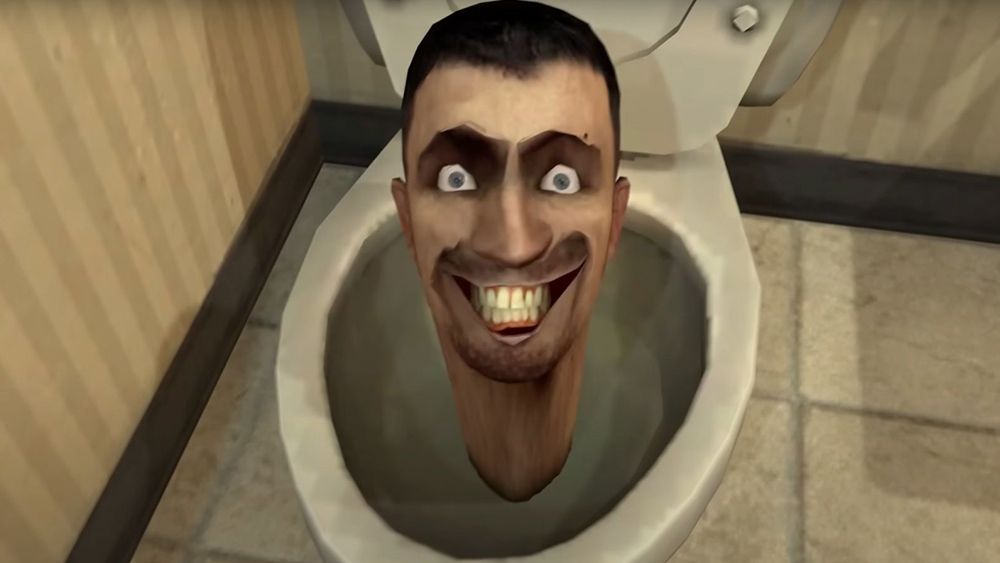
Skibidi Toilet.

Skibidi Toilet is the kind of viral phenomenon that has studios salivating right now. After the surprise success of movies like Backrooms and Obsession, companies are racing to identify YouTube hits with crossover potential (see the controversy over the Amazon Gen AI Creators' Fund and its KPop Demon Hunters mockbuster).

But things don't always go smoothly when social meme and mashup culture collides with corporate interests. What began as a 12-second joke ended up the subject of a heated legal battle with millions of dollars at stake, while its creator seems to have been sidelined.
What is Skibidi Toilet?

Skibidi Toilet began in 2023 as a short animated shitpost inspired by a TikTok mashup of tracks by Timberland and Biser King. It was created by Georgia-based animator Alexey Gerasimov using Valve's free 3D animation software Source Filmmaker and pre-existing assets from video games like Half-Life 2 and Team Fortress 2 (see our pick of the best free animation software for other options).

Alexey, AKA DaFuq!?Boom, went on to turn his accidental viral hit into a series. With episodes of around 20 seconds each, the story escalated rapidly into an epic conflict between singing toilet bowls and humanoids with TVs, radios and cameras for heads.

With its absurd humour and evolving lore, the series' took off. The YouTube channel now has over 47 million subscribers and over 20 billion views, and Skibidi Toilet was hailed as a prime example of the rise of creative maximalism in YouTube's last Culture and Trends Report.

Hollywood came calling, and Transformers director Michael Bay is now lined up to develop a Skibidi Toilet movie and TV series. Of course, there are now Skibidi Toilet toys.

Behind the scenes, however, a legal storm was brewing. In the video above, the lawyer and YouTuber Mike Mandell, having been contacted by Skibidi fans, dives into what he describes as one of the biggest creator lawsuits in years: the battle over who controls the rights to Skibidi Toilet.

In August 2023, Alexey signed a copyright assignment agreement handing Skibidi Toilet’s primary rights, including trademarks and control of the DaFuq!?Boom channel, to Invisible Narratives, a US company founded in 2018 by Adam Goodman, a former president of Paramount Pictures and production president of DreamWorks.

Invisible Narratives has described itself as a new kind of 'tradigital' independent studio that supports "creators who embrace the nimbleness and creative freedom of digitally native content with the proven franchise model, development discipline and operational infrastructure associated with traditional Hollywood studios.” It was Invisible that brought in Michael Bay with a plan for a movie.

But in late 2024, a Dubai-based company called Next Level Apps filed trademark applications for the Skibidi Toilet name in dozens of categories, registered a website and started publishing related games. It claims the original idea for DaFuq!?Boom's series came from one of its co-founders, who had envisioned a game involving similar characters as far back as 2020.

Next Level submitted DMCA takedowns, temporarily removing Skibidi Toilet videos from YouTube. Invisible Narratives responded with a federal lawsuit and gained an emergency restraining order and then a preliminary injunction.

Of course, there are now Skibidi Toilet toys. (Image credit: DaFuq!?Boom)

That was the headline legal battle, and the companies reached a settlement in June, when Next Level agreed to abandon its claims. But in the meantime, it seems Alexey no longer has much involvement in the cultural phenomenon he created, and fans are concerned about Skibidi Toilet's future.

Joining Mike, the content creator Iron Cameraman suggests that Alexey struggled to receive payments he was owed due to sanctions on Russian nationals. Leaked Discord messages suggest that he felt disheartened with the direction things have taken, while some claim that contract clauses mean he's not allowed to talk about the agreement he entered into.

Alexey is still credited as executive producer, but Invisible Narratives changed the name of the YouTube channel he created from DaFuq!?Boom to Skibidi in March. The most recent animations were made with Unreal Engine 5 instead of Source Filmmaker. They look more polished but lack DaFuq!?Boom's humour.

The original Skibidi was both funny and genuinely sinister, but recent expansions have somehow made a series about heavily armed toilet bowls with singing heads feel boring and generic. Views are down, comments are negative, and fans have launched campaigns under the hashtags #BringBoomBack and #LetBoomSpeak.

"The new graphics makes me feel like i'm watching Skibidi fanmade through plastic," one comment reads on Skibidi Emergence Episode 1 (below).

Variety reports that Invisible Narratives has secured $25 million in funding for the movie, but it's not clear to what extent Alexey will be involved.

The problem is complicated further by the immense wider universe of Skibidi fan animations and games, such as the Skibidi Toilet Multiverse created by the Iranian animation team DOM Studio. Some fans say they've received takedown notices from Invisible Narratives, even for characters in Garry's Mod, the sandbox game that uses the same 3D models from Half-Life 2 that Alexeys used to create Skibidi Toilet in the first place.

This might be typical for a company like Disney or Nintendo protecting their IPs, but Skibidi Toilet emerged from social media mashup culture. Fan takes on the world are part of what made it so huge.

Successes The Amazing Digital Circus show that YouTube can be a fertile breeding ground for animation crossovers. But the Skibidi Toilet saga stands as cautionary tale for creators. For studios, there's an equally important lesson. Even the biggest viral online sensation can flop if you take away its original creator and really don't understand what made it popular.

As Mike concludes: “Fans didn’t fall in love with these corporations. They followed one person’s bizarre internet world until it became valuable enough for everyone else to fight over.”

Sign up to read this article
Read news from 100's of titles, curated specifically for you.
Already a member? Sign in here
Related Stories
Top stories on inkl right now
One subscription that gives you access to news from hundreds of sites
Already a member? Sign in here
Our Picks
Fourteen days free
Download the app
One app. One membership.
100+ trusted global sources.