
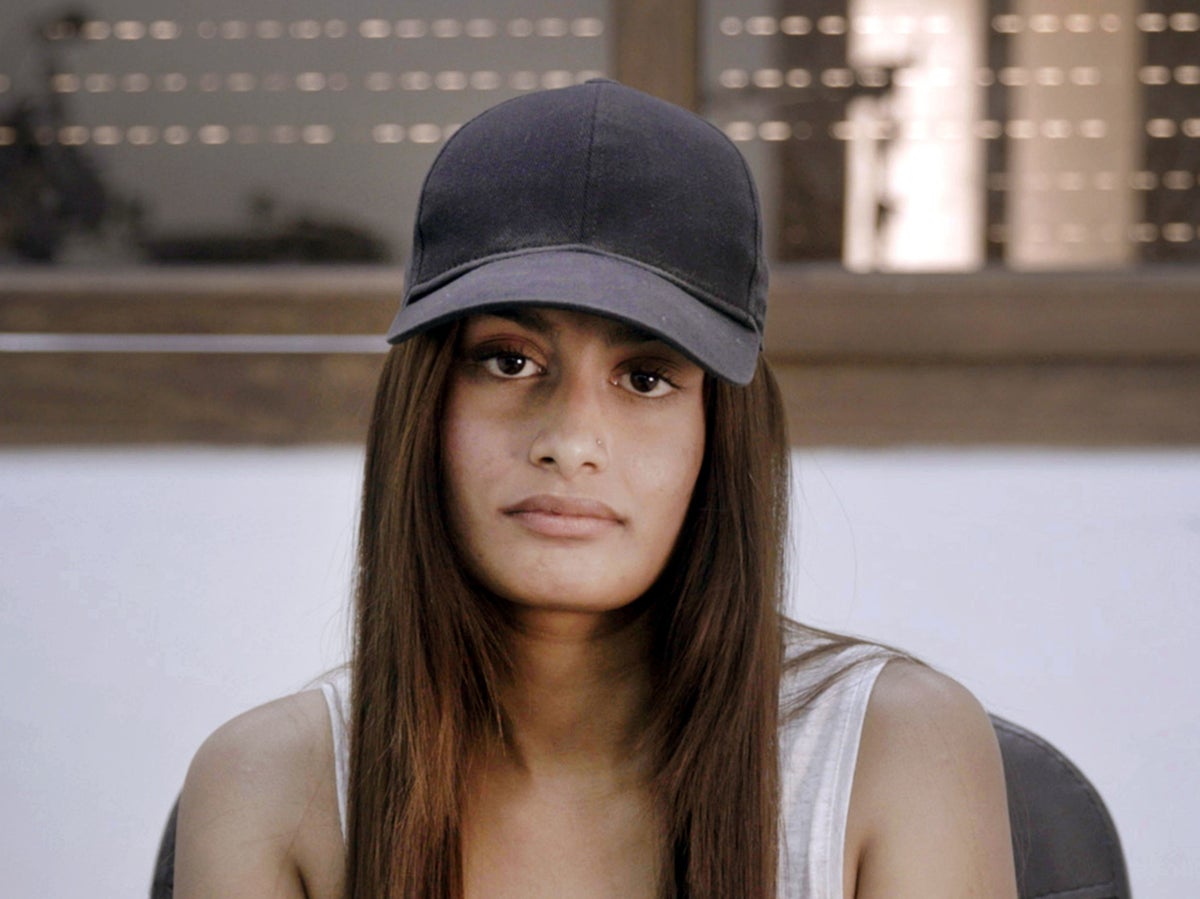
Shamima Begum was certainly deluded in the past, but she’s definitely been disabused of any fantasies about redemption and forgiveness now. Maybe that’s what being stateless and spending four years in detention in Syria does to someone. Towards the end of the BBC’s gripping The Shamima Begum Story, marooned in a camp in the north of the country and still only 23, she acknowledges that she’s never going to able to come back home. Seven years on from her ill-fated journey east, Begum is asked where she thinks she’ll be in seven years’ time. “Here,” she says, without hesitation, “because Isis was the worst thing in the 21st century and I was a part of it and now I have to face the consequences of my actions, and this camp is the consequences of my actions.”
It’s quite hard to read Begum. She presents herself now, as far as is possible in a tented Syrian prison camp, as a modern contemporary woman, dressing in a Western style, with an occasional baseball cap presumably her only concession to the religious customs of her past. Some say she’s being “celebrified” with the cover girl magazine appearances, exploiting her notoriety. But it doesn’t really feel like Hollywood, or like she’s a contestant fresh out of the Big Brother house. She isn’t abject, she doesn’t weep in despair, prostrate herself for forgiveness, but she’s not living her best life, either. Instead, she acknowledges what she did, and tries to explain why it came to pass. It’s up to the viewer to decide how convincing she is.














