
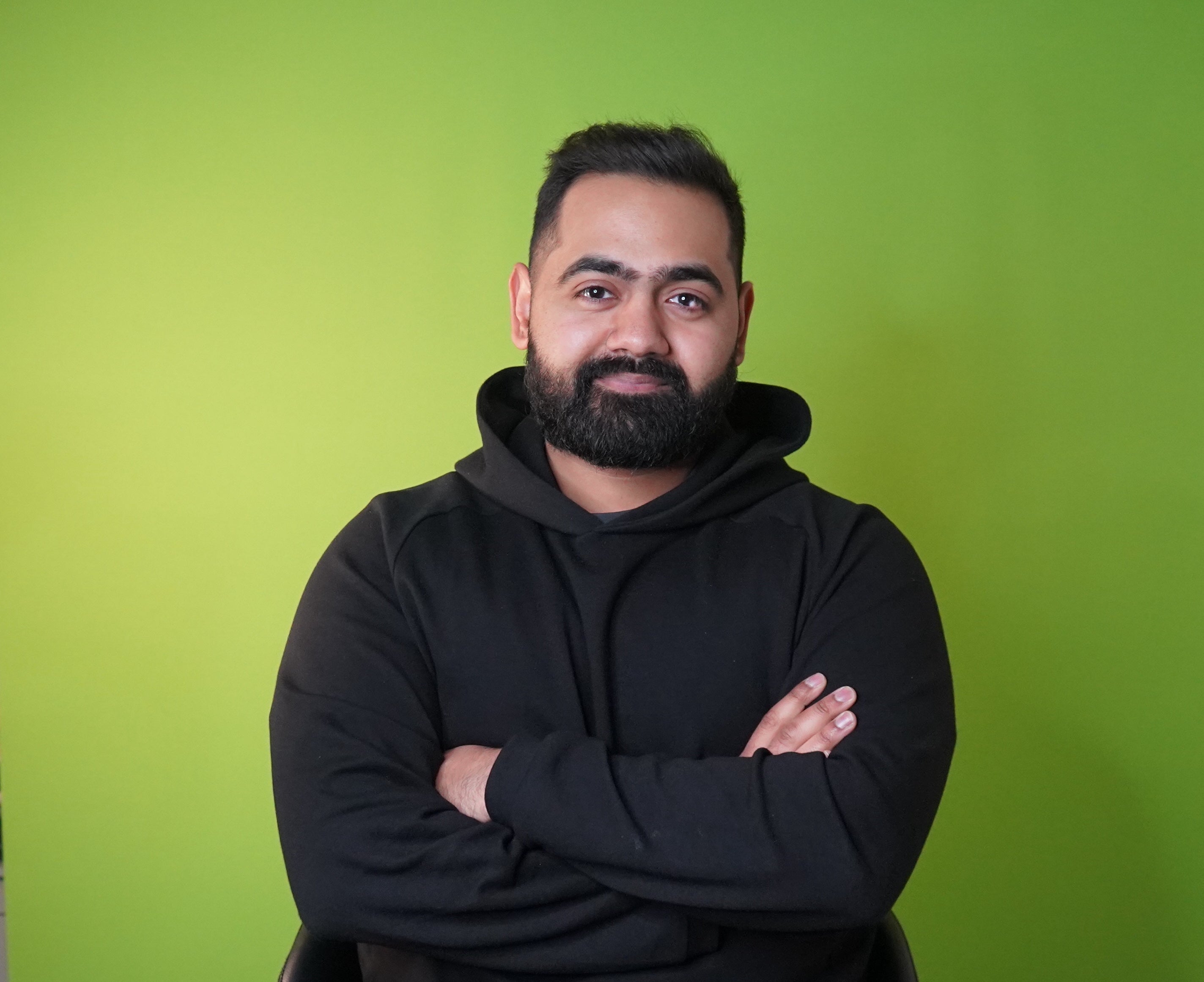
Many of us shy away from discussing sensitive health issues with our doctors, but a new book by surgeon and social media sensation Dr. Karan Rajan aims to dismantle these taboos.
Dr. Rajan, 35, who boasts over 10 million followers online and has appeared on programmes such as BBC Morning Live and Good Morning Britain, argues that topics ranging from bowel habits and personal hygiene to erectile dysfunction and excessive wind are crucial for open medical dialogue.
His latest work, This Is Vital Information, follows his bestselling guide This Book May Save Your Life, and stresses the importance of overcoming embarrassment to address these 'awkward topics' with healthcare professionals.
“The reason I’m concerned about the stigma is not just because they are awkward topics. They will continue to be awkward topics and people won’t ever want to share intimate details – but people could literally die from embarrassment,” he warns.
He posts taboo-busting videos about health, science and medicine on various online platforms that, although entertaining, come with a serious message. He also hosts a podcast, Dr Karan Explores, meeting experts in science and medicine.
The Hampshire-based doctor, who is taking a sabbatical as he and his wife are expecting their first child, says that a combination of factors stop people from visiting their doctor to discuss health abnormalities.
“Some bury their head in the sand because if they do raise a flag and go to a doctor, it means more tests, more investigations, they may receive bad news that it’s a chronic disease, it’s cancer, it needs surgery, things like this, which may disrupt their lives.
“Sometimes it may be for fear of being judged by other people. The problem with society is that we often tie a moral value to certain things. For example, if someone has an STD (sexually transmitted disease), you can get an STD through no fault of your own.
“There’s some perception throughout society that you are somehow dirty or have some moral question mark if you’ve got an STD. Things like that are barriers to entry to not only discussing these things but actually going and seeing someone about them.”
The first steps towards losing the embarrassment factor is to understand your body, what is normal and what’s not, but also when you should seek attention, he advises.
So, what are the biggest subjects that people are reluctant to discuss with their doctor?
Bowel habits
One of the reasons Dr Karan has written the book was from a patient experience, where he saw a patient in clinic who was coming to the end of their journey, in a fast-track cancer referral from their GP.
“The patient was middle aged and had been experiencing rectal bleeding for a number of weeks. On examination, they had a large mass in their abdomen and unfortunately it turned out to be advanced colorectal cancer. The patient passed away not long afterwards and that stuck in my mind for several years,” he recalls.
“They told me that for so many months they were actually just embarrassed about going to see a doctor or talking to anyone about their problems. They’d lost a bit of weight, had been bleeding from their bottom and had become more constipated. All of those in combination are red flags.”
He warns that checking bowel habits is vital, however uncomfortable it is to discuss.
“People can figure out what is baseline and normal for them and have more of an understanding of their own body.”
Feminine hygiene
“There’s a billion dollar industry where women are marketed to about feminine hygiene products, which are actually detrimental to the vaginal microbiome,” he states.
“There are all sorts of odour-filled and scented products that people use as feminine hygiene washes, and actually medical guidance is that the inside of the vagina should not be washed.
“There’s also this aversion to talking about discharge, what it should smell like, what it should look like. So people don’t discuss that. They don’t know what normal is and they think it needs to smell fresh as a daisy.
“There is a lack of understanding and this cultural feeling that female intimate parts have to smell or look a certain way, conditioned by for-profit industries.”
He says one guest on his podcast advised people to smell their underwear regularly to get used to what smells normal and what doesn’t.
Male hang-ups
“Most men, when they go down to the pub or if they are catching up with friends, don’t talk about testicular cancer or erectile dysfunction, or prostate issues.
“These are very common issues that affect one in three men – that’s a conversation to be had. Most men are not taught how to examine their own testicles, something they should be doing very frequently.
“That’s a huge issue and probably one of the reasons why things are picked up later in men is because of their aversion of talking about those things.”
Weight issues
“Another thing is weight loss and weight in general and how we attach moral values to it. We definitely value and place a lot of worth on someone’s appearance and their weight, and we judge them and assign a certain moral value based on that.

“We’ve always found ways throughout history on how we can find the route to fastest fat loss or weight loss. It’s littered with all sorts of dangerous things, from amphetamines to products which have actually harmed people’s heart health.
“There’s a lack of understanding about obesity and nuance around that.”
Death
Dr Karan says: “Research shows that the more we talk about death and mortality, the better the psychological outcomes are. We are prepared for life. We’ve got this stigma talking about death.
“I’ve seen it at both ends, especially the end of life in the hospital, when most people are scrambling for, ‘Do I want CPR? What do I want my feelings of care to be? Do I want to be admitted to the ICU if I plan well?’
“Those should be thoughts you have when you are in good health. As dark as it may seem, proactively planning for the end of your life should be like you’re planning your finances.
“You should be planning your taxes, your wealth management, your pension and your debt. What do you want at the end? You don’t want someone else to make that decision. You want dignity and autonomy.
“People don’t want to talk about that. It’s a very weird thing to talk about death, but there are places around the world where they’ve got death cafes, people are talking about death and evidence suggests that the better we plan for that, the better the outcomes are.
“In the Western world we think of death as something awful that we want to sanitise and escape [from] as much as we can. But in Eastern philosophy death is just another natural stage of life, it’s not a problem with people or doctors.”
He says Western doctors may have to be gently pro-active in this field.
“This is the move from preventative medicine to pro-active medicine. It’s maybe talking about organ donation. It’s maybe talking about healthcare proxies, but aside from that, people should be planning their wills.”
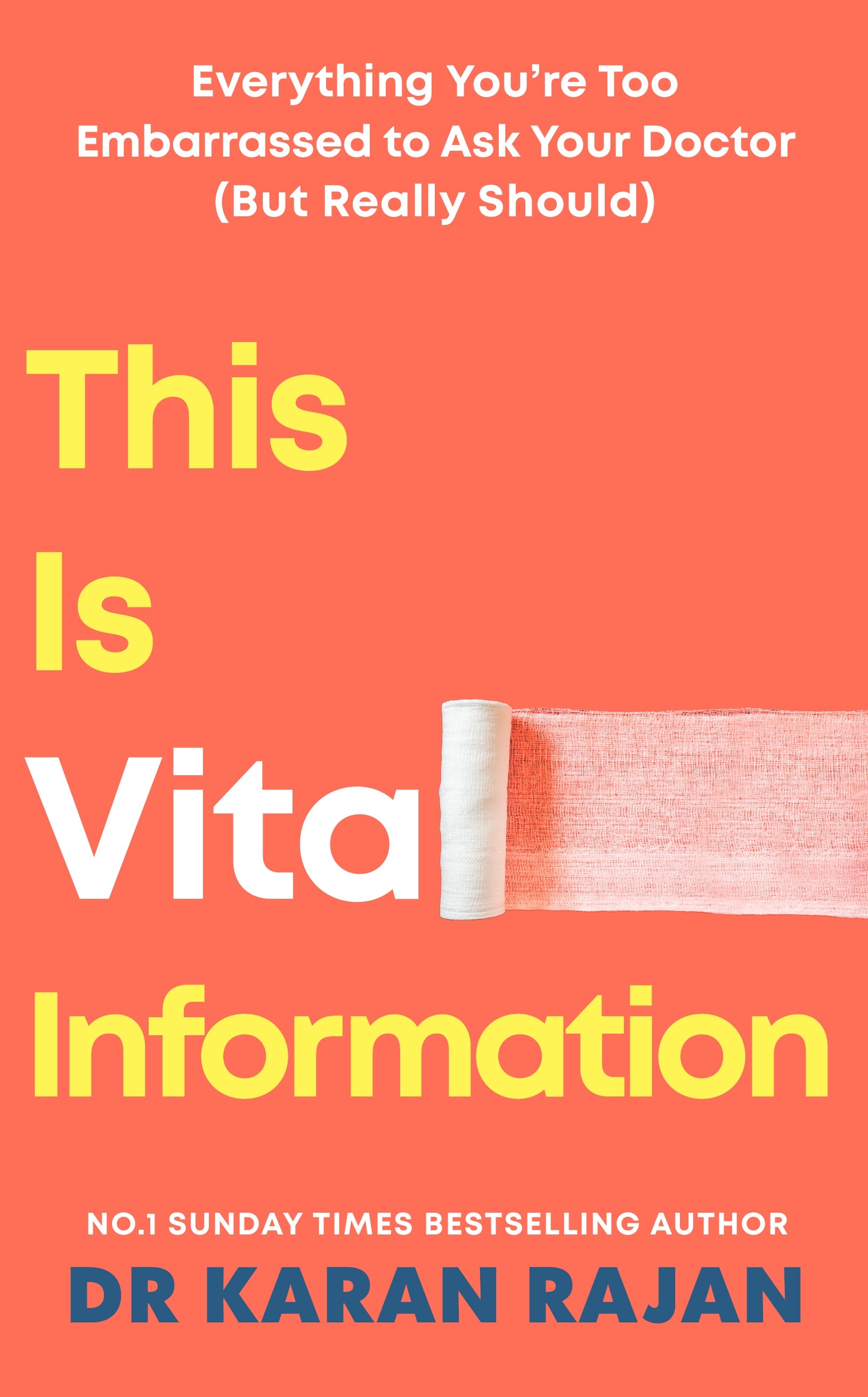
This Is Vital Information: Everything You’re Too Embarrassed To Ask Your Doctor (But Really Should) by Dr Karan Rajan is published by Century, priced £20. Available now
TikTok is obsessed with brothy rice – but these comforting dishes go way back
Forget having a boyfriend – these are the trends that will be embarrassing in 2026
The internet’s biggest troll was unmasked in 2025 – a man posing as a woman
Oatzempic: What is the new trend promising easy weight loss?
‘We thought our daughter, 4, injured her leg – but it was a rare genetic condition’